



Apple Stem Cell Skincare vs. Vitamin A, Vitamin C & Peptides: How the Evidence Compares
Apple stem-cell skincare, Vitamin A, Vitamin C, hyaluronic acid and peptides can all appear in products marketed for aging skin, but they are not interchangeable—and they do not have equally strong clinical evidence. Plant stem-cell cosmetics usually contain plant cell-culture extracts, not living stem cells. Better-established actives such as Vitamin A derivatives and topical Vitamin C have larger human evidence bases for specific appearance concerns.
Start With the Biggest Misunderstanding: Plant Stem Cells Are Not Human Stem Cells
In cosmetic formulas, “plant stem cell” usually refers to an extract produced from cultured plant cells. A 2026 review notes that marketed cosmetics generally do not contain viable stem cells and that many regenerative claims still lack strong clinical validation.
That does not make plant cell-culture extracts useless. They can contain plant-derived compounds with antioxidant or conditioning potential. It simply means they should be judged as cosmetic ingredients rather than as regenerative medicine.
For a deeper explanation, read Plant Stem Cells in Skincare: What “Apple Stem Cell” Really Means.
How the Evidence Compares
Plant Cell-Culture Extracts
Best framed as: emerging cosmetic ingredients with interesting preclinical data and some early human research.
What remains uncertain: how much benefit comes specifically from the plant cell-culture extract versus the rest of the formula, and whether broad claims about regeneration or collagen stimulation translate to meaningful human results.
Vitamin A
Best framed as: one of the better-studied topical ingredient families for photoaged skin. Vitamin A derivatives can affect cell turnover and collagen-related pathways, but potency and irritation potential vary substantially by form and concentration.
For Glimmer Goddess® product naming, we use Vitamin A / Vitamin A Microcaps rather than relying on restricted “retinol” wording in product copy.
Vitamin C
Best framed as: an antioxidant category with human evidence supporting roles in the appearance of photoaging and uneven tone when formulated effectively. Stability, form, concentration and packaging matter.
The current Organic Vitamin C Serum 20% – Brightening Treatment with Hyaluronic & Ferulic Acid is an active Glimmer Goddess® Vitamin C option.
Hyaluronic Acid
Best framed as: hydration support. Hyaluronic acid is a humectant that helps attract water to the skin surface, which can make dehydration lines look temporarily softer and skin feel more comfortable. It is not a substitute for a structural anti-aging treatment.
The current Organic Hyaluronic Acid Serum – Plumping Hydration 1 oz. is intended for that hydration-focused role.
Peptides
Best framed as: a broad family. Evidence depends on the specific peptide, delivery system and finished formula. Some peptides have promising data, but the word “peptide” alone does not prove an anti-wrinkle effect.
For example, our current Organic Copper Peptide Serum – Firming & Smoothing contains GHK-Cu. Our separate guide explains what the evidence for copper peptides supports—and where it remains limited.
So Which Ingredient Is “Best”?
There is no single winner because these categories solve different problems.
- Dry, dehydrated skin: prioritize moisturizer and humectants such as hyaluronic acid.
- Uneven-looking tone and antioxidant support: Vitamin C may fit.
- Fine lines and photoaging: Vitamin A derivatives have a stronger clinical history, but tolerance matters.
- Peptide-curious skincare: look at the exact peptide and evidence rather than the category name.
- Plant stem-cell products: treat them as cosmetic botanical-extract formulas, not human stem-cell therapy.
Where the Glimmer Goddess® Apple Stem Cell Duo Fits
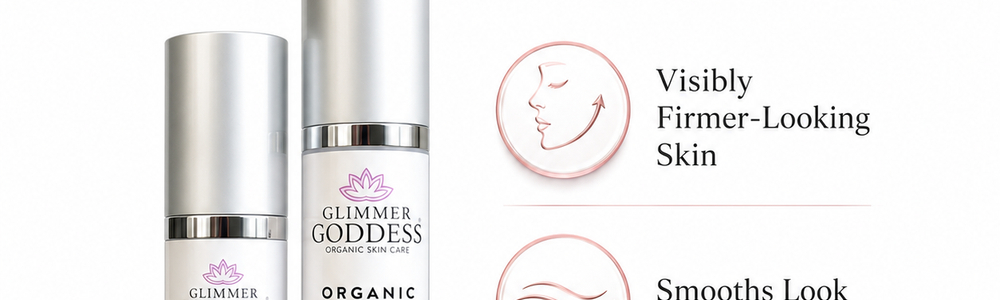
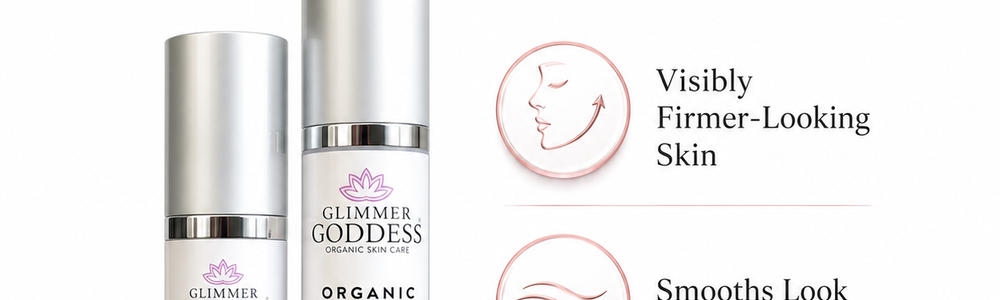
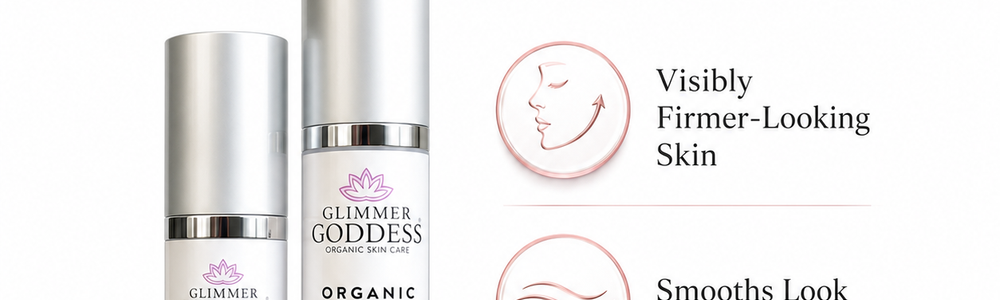
The current Cellular Renewal Duo – Apple Stem Cell Serum + Moisturizer combines a serum and moisturizer in one routine. The realistic reason to choose it is that you like the formulas, texture and complete routine—not because plant extracts can replace human stem cells or medical treatments.
For practical application order, see Apple Stem Cell Serum: How to Use It, Layer It & Set Realistic Expectations.
How to Build a Routine Without Ingredient Overload
- Start with cleanser, moisturizer and sunscreen.
- Choose one treatment serum for your main concern.
- Add a second active only if your skin is tolerating the first one well.
- Do not assume more actives means faster results.
- Reduce frequency or simplify if you develop persistent stinging, peeling or redness.
Frequently Asked Questions
Are apple stem-cell extracts stronger than Vitamin A?
Current evidence does not justify saying they are stronger or more effective. Vitamin A derivatives have a much larger clinical evidence base for photoaging.
Can I use apple stem-cell serum with Vitamin C or peptides?
Many formulas can be layered, but compatibility depends on the specific products. Introduce combinations gradually and follow product directions.
Do I need all of these ingredients?
No. A simple, consistent routine matched to your concern is usually more useful than collecting every trending active.
The Bottom Line
Compare skincare ingredients by the quality of human evidence, the finished formula and your actual concern—not by how futuristic the ingredient name sounds. Plant cell-culture extracts can be interesting cosmetic ingredients, while Vitamin A, Vitamin C, hyaluronic acid and peptides each occupy different evidence and function categories.
Sources: 2026 review of stem cells in cosmetic applications; 2025 review of plant stem cells in the cosmetic industry; review of topical Vitamin C in dermatology.