


Serum + Moisturizer for Mature Skin: When a Two-Step Routine Makes Sense
A serum and moisturizer are not automatically better because they come as a duo, but the two formats can complement each other. Serums are typically lighter and used to deliver targeted cosmetic ingredients; moisturizers help reduce water loss and improve skin comfort. For mature or dry skin, using both can make sense when a serum alone does not provide enough moisture.
What a Serum Does
Serums are usually lightweight and designed to deliver ingredients in a thin layer. Depending on the formula, the focus may be hydration, antioxidants, peptides or other appearance-focused ingredients.
A serum does not have to replace moisturizer. If your skin feels tight or dry after the serum absorbs, that is a sign the routine may need a cream or lotion on top.
What a Moisturizer Adds
Moisturizers combine humectants, emollients and/or occlusive ingredients to help the outer skin layer hold onto water and feel smoother. This matters more as skin becomes drier with age or during low-humidity weather.
When Using Both Makes Sense
- Your serum targets a concern but feels too light on its own.
- Your skin feels tight later in the day.
- Makeup catches on dry patches.
- Your skin is comfortable with the serum but benefits from a richer final layer at night.
- You prefer separate treatment and moisture steps rather than one all-in-one cream.
When One Product May Be Enough
If your skin is oily, humid weather makes creams feel heavy, or your sunscreen already provides enough moisture in the morning, a separate moisturizer may not always be necessary. Skin needs—not age labels—should decide.
How to Layer Serum + Moisturizer
- Cleanse gently.
- Apply the serum in a thin, even layer.
- Give it enough time to settle so it is not excessively wet or tacky.
- Apply moisturizer over it.
- In the morning, finish with sunscreen.
If products pill, try using less of each, letting layers settle longer, or simplifying the routine. Our general AM/PM skincare layering guide has more troubleshooting tips.
Example: The Glimmer Goddess® Cellular Renewal Duo
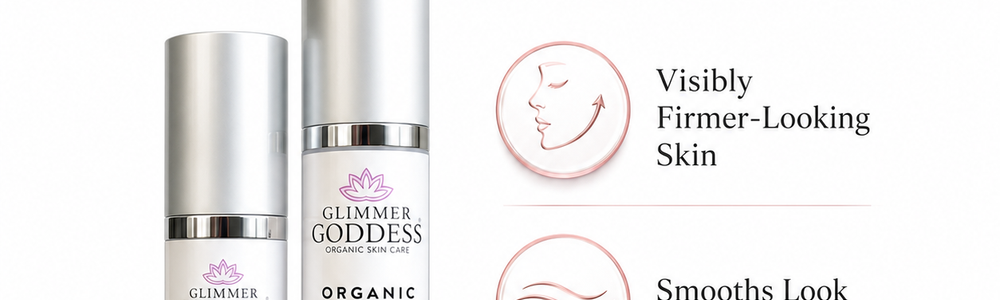
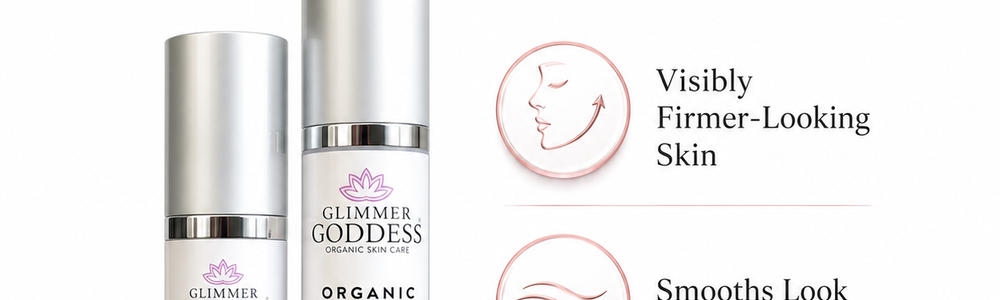
The current Cellular Renewal Duo – Apple Stem Cell Serum + Moisturizer pairs the active Organic Apple Stem Cell Anti-Aging Serum with the Organic Apple Stem Cell Moisturizer – Anti-Aging Treatment.
The practical value of the pairing is format: a lighter serum first, followed by a moisturizer. Plant stem-cell terminology should not be interpreted as living stem-cell therapy or as proof that the duo regenerates human tissue.
How to Decide Between Serum Alone, Moisturizer Alone or Both
Choose serum alone when:
Your skin is already comfortable and sufficiently moisturized by your other steps, and the serum is the targeted treatment you want.
Choose moisturizer alone when:
Your main concern is dryness or barrier comfort and you want the simplest routine.
Choose both when:
You want a treatment step plus a separate moisture-sealing step and your skin tolerates both comfortably.
What Mature Skin Actually Needs Most
There is no mandatory “mature skin” product list. Consistent sunscreen, gentle cleansing, adequate moisture and well-tolerated targeted actives matter more than a product carrying an anti-aging label.
Frequently Asked Questions
Do I have to wait between serum and moisturizer?
You do not need a long timer. Let the serum settle enough that the next layer applies smoothly.
Can moisturizer dilute my serum?
Layering a moisturizer over an absorbed serum is a standard approach and does not automatically cancel the serum’s ingredients.
Should I use the duo morning and night?
Follow the directions on the individual products and adjust frequency to your skin’s tolerance and needs.
The Bottom Line
A serum-plus-moisturizer duo is useful when the two textures solve different needs: targeted cosmetic ingredients first, moisture support second. The best routine is the one your skin tolerates consistently—not the one with the most steps.
Sources: American Academy of Dermatology: choosing a moisturizer; 2026 review of stem cells in cosmetic applications.