



Plant Stem Cells in Skincare: What “Apple Stem Cell” Really Means
“Apple stem cell” skincare does not contain living human stem cells, and plant cells in a cosmetic cannot turn into human skin. In most cosmetic formulas, the term refers to ingredients or extracts produced from plant cell cultures. Those extracts may contain useful plant-derived compounds, but their potential benefits should be evaluated as cosmetic ingredients—not as regenerative medicine.
What Are Plant Stem Cells?
Plants contain undifferentiated cells that help the plant grow and regenerate its own tissues. Cosmetic ingredient manufacturers can culture plant cells under controlled conditions and then process those cultures to obtain extracts rich in plant metabolites.
This technology is useful because it can provide a controlled source of plant-derived ingredients without relying entirely on seasonal field harvests.
Does Your Serum Contain Living Apple Stem Cells?
Generally, no. Reviews of plant stem-cell cosmetics emphasize that products marketed with “plant stem cells” typically contain extracts or derivatives, not viable living stem cells. Modern cosmetic processing and preservation are not designed to keep whole plant stem cells alive and functional inside a serum or cream.
Can Apple Stem Cells Become Human Skin Cells?
No. Plant and human cells are biologically different. An apple-derived cosmetic extract cannot transform into a human fibroblast, replace your epidermal stem cells or regenerate an organ.
This is why phrases such as “reverses aging from within,” “activates your stem cells” or “repairs DNA” require strong product-specific clinical evidence before they should be used as consumer claims.
So Why Use Plant Cell-Culture Extracts at All?
The value may come from compounds produced by the plant cells—such as antioxidants or other phytochemicals—rather than from the cells behaving like human stem cells. Plant cell-culture technology can also provide consistency and sustainability advantages for ingredient production.
Research reviews describe interesting antioxidant, soothing and appearance-focused potential, but they also identify a major gap: many commercial claims still need better standardized human clinical trials.
What Does the Evidence Say About Anti-Aging Claims?
The evidence is promising but not strong enough to support sweeping statements that apple stem cell extracts “reverse aging.” Some studies are laboratory-based, supplier-sponsored or small. Formulation, extract concentration, stability and delivery all affect whether an ingredient produces a visible result on real human skin.
A 2026 review of stem cells in cosmetic applications specifically noted inconsistent terminology, regulatory challenges and marketing strategies that lack clinical validation. Earlier evidence reviews similarly described plant stem cell skincare research as still developing.
How This Applies to Glimmer Goddess® Products
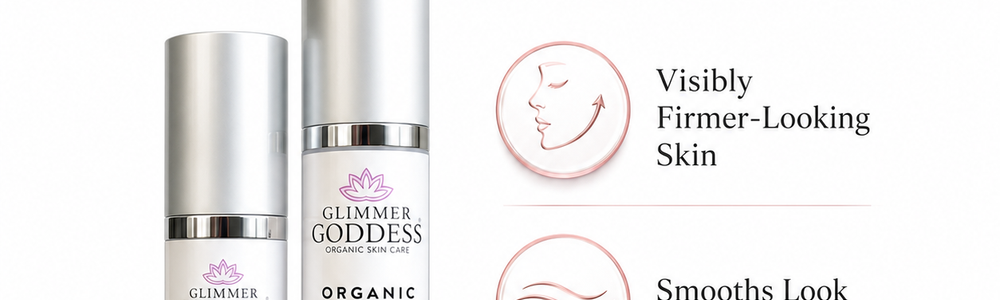
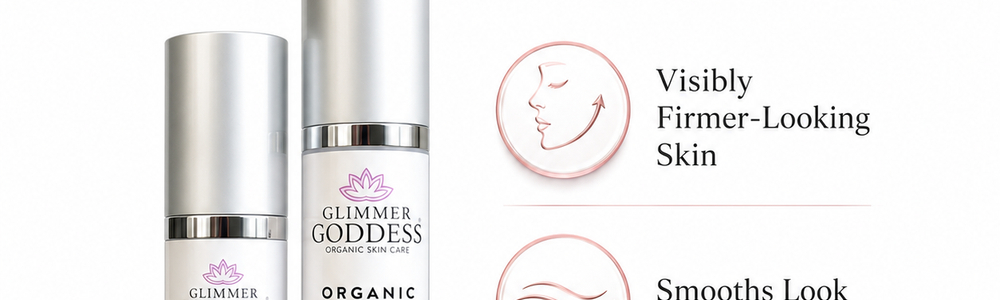
The current Cellular Renewal Duo – Apple Stem Cell Serum + Moisturizer uses plant-stem-cell-positioned skincare as part of a cosmetic routine. The appropriate expectation is support for the look and feel of skin from the complete formulas—not human stem-cell therapy.
For practical routine placement, see Apple Stem Cell Serum: How to Use It, Layer It & Set Realistic Expectations.
How to Read “Stem Cell” Beauty Claims Critically
- Ask whether the product contains an extract, lysate or culture-derived ingredient rather than living cells.
- Look for product-specific human studies, not just laboratory data on an ingredient.
- Separate cosmetic appearance claims from medical regeneration claims.
- Be cautious with words such as “reverses,” “repairs,” “regenerates” and “activates” unless the evidence clearly supports them.
- Remember that “natural” and “plant-derived” do not automatically mean more effective or safer.
Frequently Asked Questions
Are apple stem cells the same as human stem cells?
No. Plant cells and human cells are fundamentally different.
Can plant stem cell skincare regenerate damaged human tissue?
A cosmetic product should not be assumed to regenerate human tissue. That is a medical claim requiring a very different level of evidence and regulation.
Are plant cell-culture extracts useless?
No. They can contain interesting plant-derived compounds and may contribute to a well-formulated cosmetic. The issue is overstating what the term “stem cell” means.
The Bottom Line
“Apple stem cell” is best understood as plant biotechnology used to create cosmetic ingredients. The science is interesting, but these products are not living stem-cell therapies. Judge them by the evidence for the finished formula and by realistic cosmetic outcomes.
Sources: Plant Stem Cells in Cosmetic Industry; Plant stem cells in cosmetics: current trends and future directions; Stem Cells in Cosmetic Applications: Advancements, Challenges, and Future Directions.