



Uneven Skin Tone vs. Texture: What’s the Difference?
Uneven skin tone and uneven skin texture are often grouped together, but they describe different things. Tone is about color—such as dark spots, blotchiness or post-breakout marks. Texture is about how skin feels and reflects light—such as roughness, flakes, visible pores or bumps. You can have one without the other, or both at the same time.
What Is Uneven Skin Tone?
Uneven tone refers to differences in skin color. Common examples include sun-related spots, post-inflammatory dark marks and melasma. The cause matters because not every type of discoloration responds to the same treatment.
Sun protection is foundational. The American Academy of Dermatology notes that UV and visible light can worsen hyperpigmentation, and consistent sunscreen can help prevent new dark spots from becoming more noticeable.
What Is Uneven Skin Texture?
Texture refers to the skin’s surface. Dry flakes, rough patches, enlarged-looking pores, comedones and some types of scarring can all change the way skin feels or catches light. Moisturizer may improve roughness caused by dryness, while acne-related bumps or scars may need a different approach.
Why the Difference Matters
A product that exfoliates rough surface cells may make skin feel smoother but will not necessarily address the cause of persistent pigmentation. Likewise, a brightening serum may support a more even-looking tone without changing deeper acne scars or enlarged pores.
A Simple Way to Tell Which Concern You Have
- Mostly color change: think uneven tone.
- Mostly roughness or bumps: think uneven texture.
- Both: address the concerns separately instead of assuming one product will solve everything.
Where Vitamin C Fits
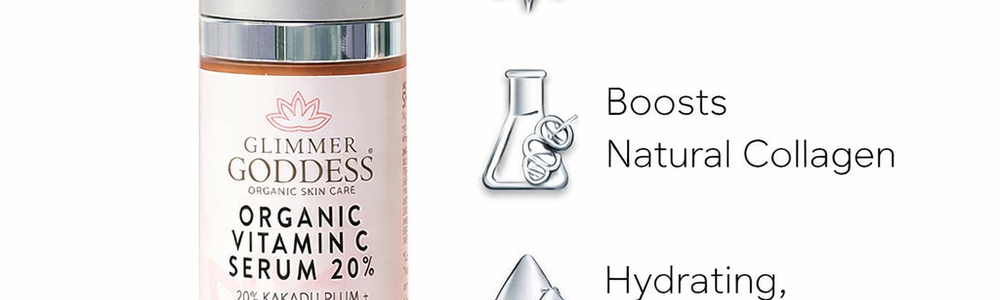
Topical vitamin C has evidence supporting antioxidant and pigment-related benefits, although results depend on formulation and consistent use. The current Glimmer Goddess® Organic Vitamin C Serum 20% is one current option for shoppers building a tone-focused routine.
Where Exfoliation Fits
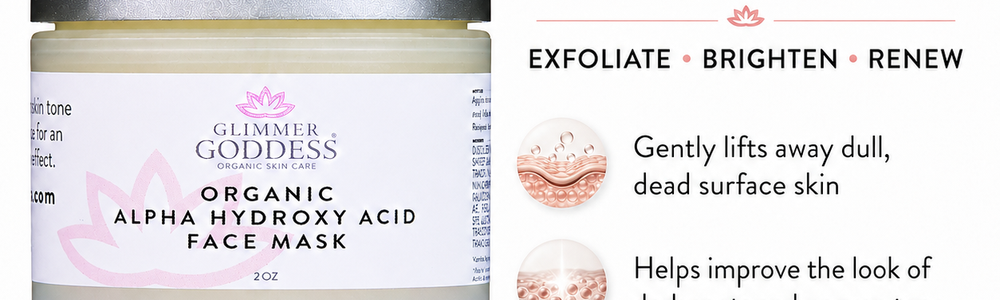
Alpha hydroxy acids can exfoliate the surface and may improve the appearance of texture and uneven tone, but FDA notes that AHAs can also increase sun sensitivity. Follow product directions, avoid stacking too many exfoliants, and use daily sun protection.
When to See a Dermatologist
New, changing or unusual pigmented spots should not be treated as a cosmetic problem first. A dermatologist can distinguish common discoloration from conditions that need medical evaluation. Persistent acne scarring, melasma or texture changes may also benefit from professional guidance.
Frequently Asked Questions
Can dehydration cause uneven skin tone?
Dehydration can make skin look dull or emphasize texture, but it is not the same as true pigment change.
Can exfoliation fix dark spots?
It may improve some superficial discoloration, but results depend on the cause and depth of pigment. Over-exfoliating can create more irritation and potentially worsen discoloration.
Can sunscreen help uneven tone?
Yes. Sun protection helps prevent UV-related darkening and is a core part of managing hyperpigmentation.
The Bottom Line
Tone is color; texture is surface. Identify which one you are actually seeing before choosing products, and treat sun protection as the non-negotiable foundation for discoloration concerns.
Sources: American Academy of Dermatology: Age spots and dark marks; FDA: Alpha Hydroxy Acids.