


How Face Masks Support Brighter, More Radiant-Looking Skin
A face mask can make skin look fresher by hydrating the surface, absorbing excess oil, or gently loosening dull surface cells. It is an occasional treatment—not a replacement for cleanser, moisturizer, sunscreen, or professional care for a skin condition.
The right choice depends on what “radiance” means for you: more hydration, smoother-looking texture, less surface oil, or a calmer appearance.
How masks can change the look of skin
The American Academy of Dermatology explains that facial masks can support hydration and the skin barrier when chosen correctly. It also cautions that masks cannot replace treatment for acne, eczema, or other conditions.
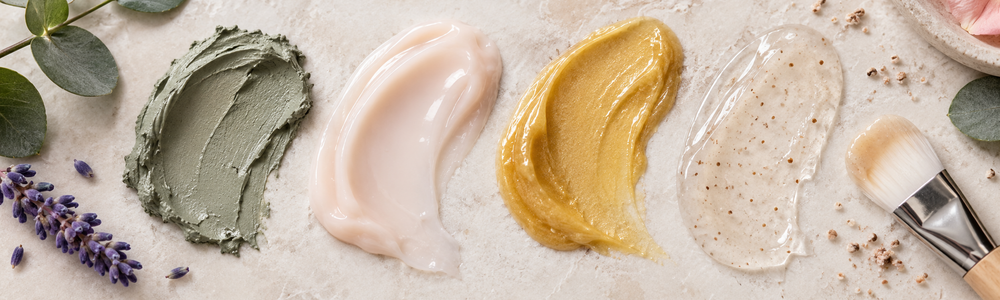
- Hydrating masks help the outer layer hold water, which can temporarily soften the look of fine dehydration lines.
- Clay masks absorb surface oil and can leave oily areas looking more matte.
- Enzyme masks gently loosen surface buildup for a smoother appearance.
- AHA masks exfoliate more directly and can improve visible dullness, but they require careful use.
Choose by skin concern
Dry or easily irritated skin
Look for glycerin, hyaluronic acid, ceramides, or colloidal oatmeal and avoid stacking strong exfoliants. A creamy mask followed by moisturizer is usually more comfortable than clay or acid-heavy formulas.
Dull or rough-looking skin
A gentle enzyme option such as the Organic Papaya Pineapple Enzyme Face Mask can refresh the surface. If your skin already uses retinoids or acids, choose a non-exfoliating mask instead.
Oil-prone skin
Clay can absorb oil, but a mask should not leave skin painfully tight. Follow with a lightweight moisturizer and do not assume that dryness means clearer skin.
Experienced acid users
The Organic AHA Face Mask is a more active exfoliating choice. Follow label timing exactly, avoid use on irritated skin, and do not combine it with other strong exfoliants in the same session.
A safe face-mask routine
- Patch test a new formula.
- Cleanse gently and pat skin dry.
- Apply an even layer, avoiding eyes and lips.
- Leave it on only for the label’s recommended time.
- Rinse gently; do not scrub.
- Apply moisturizer, then sunscreen if it is daytime.
Wash the mask off immediately if you feel persistent burning, itching, or stinging. For additional exfoliation safeguards, read the AAD’s guide to exfoliating safely at home.
How often should you use a mask?
Frequency depends on the formula and your routine. A gentle hydrating mask may fit more often; an exfoliating mask may be appropriate only occasionally. Start at the low end of the label directions and increase only if skin remains comfortable.
If you enjoy variety, the Organic Face Mask Gift Set lets you select two masks for different needs. Our face-mask selection guide offers more ways to compare textures.
Frequently asked questions
Does tingling mean a mask is working?
No. Strong or persistent tingling can signal irritation. Follow directions and rinse if discomfort develops.
Can a mask shrink pores?
Pores do not permanently open or close. Removing oil and smoothing the surface may temporarily make them look less noticeable.
Do masks replace professional care?
No. Persistent acne, rash, pain, or pigment changes deserve evaluation by a qualified clinician.
Bottom line: a well-chosen mask can give a useful hydration or exfoliation boost. Match the formula to your skin, avoid ingredient overlap, and keep expectations cosmetic and realistic.