


Best Skincare for Dark Spots in 2026: 6 Products Compared
Which skincare products are worth considering for dark spots in 2026? The best choice depends on the cause of the discoloration, your skin's sensitivity and how consistently you protect your complexion from sunlight. Vitamin C, niacinamide, alpha arbutin, retinoids and certain exfoliating acids can all have a place in a thoughtful routine. None is a universal winner—and no serum can replace daily sun protection.
This Glimmer Goddess® guide compares six recognizable skincare options by their intended role, not by invented star ratings or a claim that the brands were tested against each other. We also explain what post-acne marks, sun spots and melasma have in common, where they differ, and how to create a routine that feels gentle enough to maintain.
Why dark spots appear—and why the cause matters
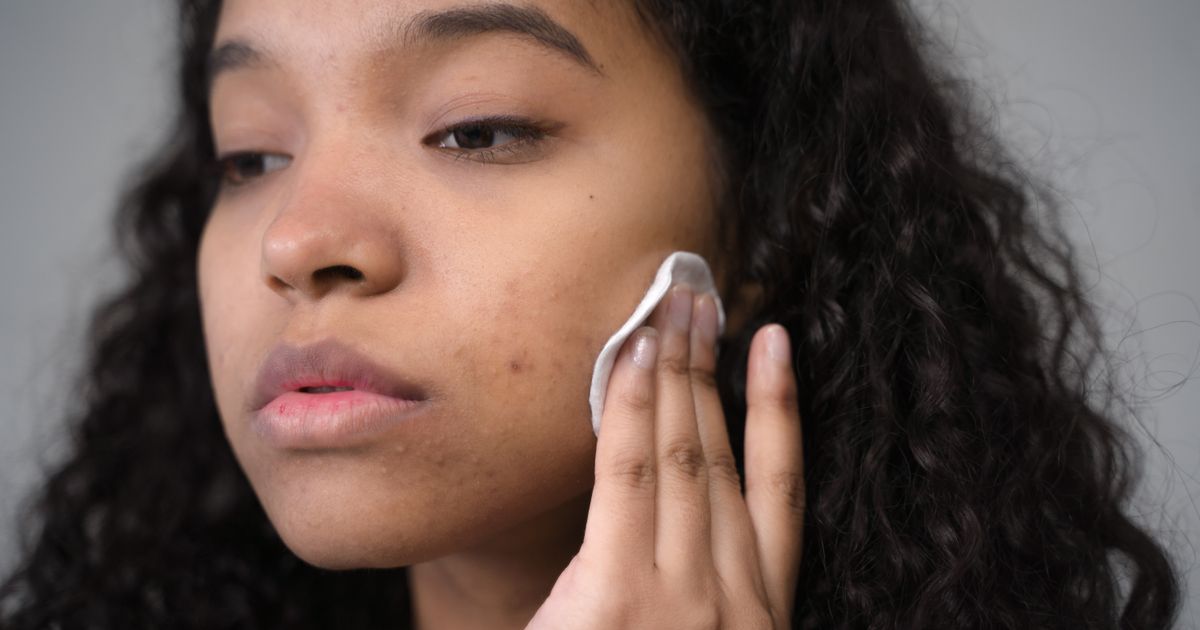
Hyperpigmentation happens when some areas of skin develop more visible pigment than the surrounding complexion. Sun exposure is a familiar trigger, but dark marks can also follow acne, irritation, an insect bite or a healed injury. Hormonal changes can contribute to melasma, which often appears as more widespread patches. These causes don't always respond to the same approach.
Post-inflammatory hyperpigmentation (PIH), for example, may follow acne or irritation. If breakouts continue, new marks may appear even while older ones fade. A sensible routine therefore addresses both the source of irritation and the look of discoloration. A changing, unusual or concerning dark lesion deserves professional assessment rather than cosmetic camouflage alone.
The American Academy of Dermatology advises treating the underlying cause, choosing gentle products and protecting skin from sunlight. Particularly for melasma or lingering pigmentation in deeper skin tones, a tinted sunscreen with iron oxides may be helpful because visible light can contribute to discoloration.
Five skincare ingredients to understand before you shop
Vitamin C: A brightening antioxidant
Vitamin C is familiar in brightening skincare because certain formulations can help improve the appearance of uneven pigmentation while providing antioxidant benefits. Concentration alone doesn't tell the whole story: the vitamin C form, finished formula, packaging and your skin's comfort all matter. If an intensive serum tingles or stings, don't assume that irritation is necessary for results.
Niacinamide: Comfort and more even-looking tone
Niacinamide appears in moisturizers and serums designed for barrier support and visible tone concerns. It can be a practical ingredient for shoppers who prefer a straightforward routine. It is not automatically non-irritating for every person, and more products containing it do not necessarily produce better results.
Alpha arbutin: Targeted brightening
Alpha arbutin is used in some cosmetic brightening formulas to support a more even-looking complexion. Consider it as one ingredient within a finished serum rather than as a guarantee of a particular fading timetable. If pigmentation is pronounced or changing, a dermatologist can advise on treatment options with stronger clinical evidence.
Retinoids: A gradual introduction matters
Retinoids, including retinal and retinol products, can help with some pigmentation concerns, but they may also cause dryness or irritation. Introducing them slowly and pairing them with sun protection is important. People who are pregnant or planning pregnancy should avoid retinoids unless advised otherwise by their medical clinician.
Exfoliating acids: Useful for some, excessive for others
Glycolic acid and other exfoliating acids can improve the appearance of texture and surface discoloration in selected routines. More frequent exfoliation is not necessarily better. Overuse can inflame skin and create new dark marks, especially in complexions prone to PIH. Start conservatively and don't layer a new acid, retinoid and strong vitamin C serum all at once.
Six skincare products for dark spots: A practical comparison
| Product | Role in a routine | Best consideration |
|---|---|---|
| Glimmer Goddess Organic Dark Spot Serum | Targeted brightening serum | Alpha arbutin, niacinamide and botanical vitamin C |
| Glimmer Goddess Organic Vitamin C Serum 20% | Antioxidant serum | Plant-based vitamin C sources for radiance |
| Avon Anew Ultimate Multi-Performance Night Cream | Evening moisturizer | For shoppers who prefer one rich night cream |
| RoC Multi Correxion Even Tone + Lift SPF 30 | Daytime SPF moisturizer | Combined moisture and daily sun protection |
| Eucerin Radiant Tone SPF 30 Daily Lotion | Daytime tone-care lotion | Another sunscreen-centered daytime format |
| Maelove Moonlight Retinal Super Serum | Evening retinoid serum | For experienced users comfortable with retinal |
These six products serve different purposes, so their placement is not an efficacy ranking. Competing products' formulas, availability, SPF claims and packaging can change; check their current manufacturer labels before buying. The two Glimmer Goddess formulas have been checked against active Shopify listings, and competitor names and key disclosures have been checked against their brand materials. Always check the formula on the package you receive.
1. Glimmer Goddess Organic Dark Spot Serum: Focused tone care
Our Organic Dark Spot Serum is designed for people who want a dedicated step for the appearance of uneven skin tone. The formula highlights alpha arbutin, niacinamide, plant-based vitamin C and botanical brighteners. It is hydroquinone-free and works best as part of a patient, consistent skincare ritual rather than as a quick fix.
Why consider it: You prefer a targeted serum instead of relying on your regular moisturizer for everything. Keep in mind: Even a carefully chosen cosmetic serum cannot promise to erase melasma, scarring or all dark spots. Follow the product directions, introduce it gently and protect your skin from sunlight.
2. Glimmer Goddess Organic Vitamin C Serum 20%: Antioxidant radiance
Our Organic Vitamin C Serum 20% takes a different approach. Its botanical vitamin C blend features five superfruit sources—Kakadu plum, rosehip, amla, camu camu and acerola—for a brightening, antioxidant-focused routine. Choose it if dullness and uneven-looking tone are among your concerns.
Why consider it: You want an antioxidant serum with a luminous skincare finish. Keep in mind: Botanical vitamin C is not a guarantee of zero irritation or a fixed result timeline; skin sensitivity and the full formula matter. Start slowly, especially if you already use exfoliating acids or retinoids.
3. Avon Anew Ultimate Multi-Performance Night Cream: One-step evening moisture
Avon Anew Ultimate Multi-Performance Night Cream belongs in the comparison because not every shopper wants a separate serum. A richer nighttime moisturizer may be appealing when skin feels dry and you prefer an uncomplicated finish to the day. Its suitability for visible pigmentation depends on the ingredients of the specific version purchased, so check the current label rather than assuming every Anew cream has the same brightening benefits.
Why consider it: An evening moisturizer with a comfortable, rich feel. Keep in mind: A multi-purpose face cream is not automatically weaker—or stronger—than a dedicated serum. The full formula and your routine determine its value.
4. RoC Multi Correxion Even Tone + Lift SPF 30: A daytime option
RoC Multi Correxion Even Tone + Lift Daily Moisturizer SPF 30 illustrates a practical idea: brightening care is incomplete without sun protection. RoC lists niacinamide and a vitamin C derivative in this sunscreen moisturizer; its published ingredient list also contains fragrance. An SPF moisturizer can be useful for people who prefer fewer morning steps, provided they apply a sufficient amount for the label's stated protection.
Why consider it: You want moisturizer and labeled sun protection in one daytime product. Keep in mind: An SPF 30 label is not evidence that any tiny amount of face cream protects adequately. Always check the current version's sunscreen instructions and reapply as directed.
5. Eucerin Radiant Tone SPF 30 Daily Lotion: Sun protection and daily care
Eucerin Radiant Tone Daily Lotion SPF 30 pairs broad-spectrum sunscreen with Thiamidol, a targeted ingredient that the brand uses for the appearance of dark spots. This makes it a more specific pigmentation-focused option than an ordinary moisturizing sunscreen. Shoppers comparing it with RoC should look at the active sunscreen filters, other ingredients, finish, fragrance disclosures and whether the texture encourages generous application.
Why consider it: A straightforward daytime lotion format. Keep in mind: A product may be described as suitable for sensitive skin, but your own skin history and the current ingredient list remain more important than a blanket recommendation.
6. Maelove Moonlight Retinal Super Serum: For retinoid-experienced routines
Maelove Moonlight centers on retinal, a vitamin A derivative used in nighttime skincare. The formula also lists niacinamide, but includes fragrant botanical oils such as grapefruit, orange and bergamot, which matter if your skin is highly sensitive. This category may interest shoppers who are already comfortable with active treatments and want to address the appearance of uneven tone alongside other aging-related concerns.
Why consider it: An established evening active step in a routine that includes daily sunscreen. Keep in mind: Retinal can irritate skin, especially when introduced too quickly or combined with frequent exfoliation. Do not use retinoids during pregnancy, and seek professional guidance for medication-related skin concerns.
Build a gentle dark spot routine
Morning: cleanse, brighten, moisturize and protect
- Cleanse gently. Remove overnight buildup without scrubbing. A harsh cleanser can create irritation that makes post-acne marks more stubborn.
- Choose one brightening step. A vitamin C or other well-tolerated serum can fit here, depending on the directions for the finished formula.
- Moisturize if needed. Dry skin often benefits from a comfortable, uncomplicated cream. Avoid layering so much product that your sunscreen pills.
- Finish with sunscreen. Use a generous, even layer of broad-spectrum SPF 30 or higher on exposed skin, and reapply as directed. For melasma or pigmentation in deeper skin tones, look for a tinted sunscreen with iron oxides to help address visible-light exposure as well.
Glimmer Goddess Triple Action Daily Moisturizer – Organic SPF 30 is one of our mineral daytime options. Check its available jar or airless-pump version before choosing the texture for your routine. For help with coverage and white cast, read How to Apply Mineral Sunscreen Without White Cast.
Evening: keep the routine comfortable
- Wash gently. Remove sunscreen and makeup without rough rubbing.
- Use one targeted treatment. Choose your dark spot serum or an appropriate retinoid according to its instructions; don't introduce several potentially irritating actives on the same night.
- Finish with moisturizer. Skin that feels comfortable is easier to care for consistently. If an active causes burning, prolonged redness or peeling, reduce or stop it and seek advice when appropriate.
Exfoliation: a helpful option, not an obligation
Some routines include a mild exfoliating acid or enzyme product, but extra exfoliation isn't required for every person with hyperpigmentation. If your skin is irritated, introducing an additional exfoliant may make matters worse. Follow the finished product's directions and avoid using it on inflamed skin. Our guide to acne marks and dark spots explains why it helps to distinguish leftover pigmentation from indented scars.
How long do dark spots take to fade?
There is no reliable universal promise of visible fading in four weeks. The cause, depth of pigmentation, natural skin tone, treatment chosen and sun exposure can all affect the timeline. According to the American Academy of Dermatology, a dark spot only a few shades deeper than surrounding skin may take six to twelve months to fade after its trigger is controlled; deeper discoloration can last much longer. Some treatments may help certain spots improve sooner, but a fixed result date would be misleading.
Take a well-lit photograph under similar conditions every few weeks if you want to follow subtle changes, rather than adding new products every few days. If discoloration is worsening, unusual, extensive or not improving with an appropriate routine, consult a dermatologist.
Choosing for your skin type
Sensitive or easily irritated skin
Fewer steps, a fragrance-free moisturizer when needed and careful introduction of new actives can be a better starting point than aggressive exfoliation. If you repeatedly develop dark marks after irritation, preventing the irritation matters as much as targeting its aftermath.
Oily or acne-prone skin
Look for lightweight, non-comedogenic textures that feel good enough to use consistently. Treating ongoing breakouts can help reduce the chance of fresh post-acne marks. Our dark spot serum comparison offers additional context on formula choices.
Dry skin
Consider a comfortable moisturizer alongside your brightening serum, and avoid exfoliating merely because your skin looks dull. A supported skin barrier makes it easier to keep your routine consistent.
Combination or mature skin
Different areas may welcome different textures, but you don't need five separate treatments. A practical approach is one appropriate serum, moisturizer where needed and well-applied sunscreen in the morning.
Frequently asked questions
Do dark spot serums erase acne scars?
Brown or red marks left after a breakout are not the same as indented or raised scars. Topical brightening care may improve some discoloration, but textural scarring may need professional procedures. A dermatologist can help distinguish the two.
How long should I try a routine before changing it?
That depends on the cause of the spots and the product you are using. Pigmentation may fade slowly even after the trigger stops. Follow product directions, monitor irritation and speak with a dermatologist if marks persist or change.
Can I layer vitamin C, retinoids and exfoliating acids?
Some people use more than one active ingredient, but combining everything at once increases the chance of irritation. Begin with one change at a time and follow advice specific to your skin, especially if you already have sensitivity.
Are natural brightening products always gentler?
No. Plant-derived ingredients can be useful, but an organic or natural label does not guarantee greater efficacy or lower irritation. Formulation, dose, stability and your individual skin response matter.
Does sunscreen really help with hyperpigmentation?
Yes. Sun exposure can darken existing pigmentation and contribute to new patches. Broad-spectrum SPF 30 or higher is central to a sensible routine; a suitable iron-oxide-tinted formula may add protection against visible light that can worsen melasma and PIH.
When should I see a dermatologist?
See a dermatologist for persistent melasma, widespread discoloration, spots that are changing or bleeding, or any mark you cannot identify confidently. A cosmetic article cannot diagnose a skin lesion or replace professional examination.
References & Further Reading
For dermatologist-reviewed background on pigmentation and how to care for it safely, explore these sources:
- American Academy of Dermatology — How to Fade Dark Spots in Darker Skin Tones — triggers, treatment considerations, sunscreen and realistic fading timelines
- American Academy of Dermatology — Melasma: Diagnosis and Treatment — why melasma can need professional treatment and consistent sun protection
- American Academy of Dermatology — How to Decode a Sunscreen Label — tinted sunscreen, iron oxides and visible light
- Systematic Review — Topical Treatment for Postinflammatory Hyperpigmentation — comparative strength and limitations of available research
- Review — Postinflammatory Hyperpigmentation: Etiologic and Therapeutic Considerations — pigmentation causes and commonly discussed actives
About this comparison: This article is written by Glimmer Goddess® and is a shopper's education guide, not an independent clinical comparison. Our two featured serums are Glimmer Goddess products; competitor product details should be confirmed against their current labels before purchase.