




Best Dark Spot Remover for Black Skin: Ingredients & Routine
What is the best dark spot remover for Black skin? The most useful approach is a gentle routine that addresses the cause of discoloration, supports your skin barrier and includes daily sun protection. Ingredients such as vitamin C, azelaic acid, niacinamide and selected retinoids can help with the appearance of uneven pigmentation, but no single ingredient is best for every complexion or every type of dark spot.
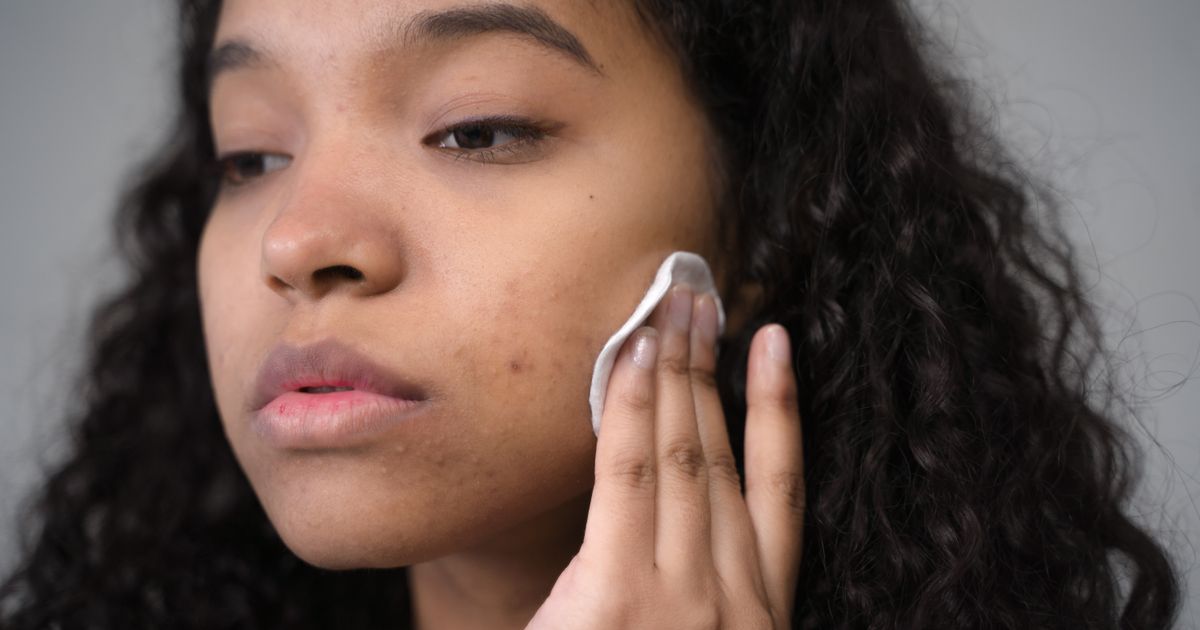
Skin rich in melanin is beautiful and naturally diverse. It can also develop long-lasting marks after acne, irritation or an injury. This is called post-inflammatory hyperpigmentation (PIH). The goal isn't to change your natural skin color; it's to help uneven areas look more consistent without creating fresh irritation. At Glimmer Goddess®, we believe effective skincare should feel supportive, not harsh.
Why dark marks can linger on melanin-rich skin
Melanin is the pigment that helps give skin its color. When skin becomes inflamed—from acne, eczema, an insect bite, picking, friction or a reaction to skincare—it can produce additional pigment in the affected area. After the original irritation settles, a brown or gray mark may remain.
Sun exposure can deepen existing marks, and visible light may also worsen pigmentation in deeper skin tones. Melasma is another form of hyperpigmentation, often associated with hormonal factors and sunlight, that can appear as patches on the cheeks, forehead or upper lip. Acne marks, melasma and sun spots may look similar, but they don't always need the same treatment.
The American Academy of Dermatology (AAD) emphasizes identifying and controlling the cause first. If acne or another inflammatory condition continues, new marks may appear even when a brightening routine is helping older ones.
What ingredients should you look for?
Vitamin C for an even-looking glow
Vitamin C is used in brightening serums for its antioxidant properties and potential to improve the appearance of uneven tone. The vitamin C form, formula and packaging are as important as any percentage on the front label. Don't assume that tingling or stinging signals better results. If a product feels uncomfortable, stop and reconsider it.
Niacinamide for tone and a comfortable moisture barrier
Niacinamide, a form of vitamin B3, is commonly included in skincare for uneven-looking tone, excess shine and barrier support. It may be appealing in a simple daily routine, but it cannot guarantee that every post-acne mark will fade. As with any active, introduce it gradually and watch for irritation.
Azelaic acid and other dermatologist-recommended options
Azelaic acid is among the ingredients dermatologists may recommend for dark spots, including post-acne discoloration. Products differ in concentration and formulation. If you have persistent melasma, your dermatologist may recommend prescription options or a carefully supervised combination of treatments.
Alpha arbutin, licorice root and botanical extracts
These ingredients appear in cosmetics designed to improve the visible appearance of uneven tone. Their evidence and strength vary, so judge the entire product rather than expecting any one botanical ingredient to erase pigmentation. Plant-derived does not automatically mean hypoallergenic or better tolerated by every skin tone.
Retinoids and exfoliating acids: effective choices require care
Retinoids and selected exfoliating acids may help some forms of discoloration, but too much too soon can cause irritation and potentially more PIH. Introduce one new active at a time, avoid aggressive scrubs and follow the product directions. Retinoids should be avoided during pregnancy unless specifically directed by a qualified clinician.
How to compare ingredients without overcomplicating your routine
| Ingredient | Why it is considered | Practical caution |
|---|---|---|
| Vitamin C | Antioxidant care and more radiant-looking tone | Formula and tolerance matter more than marketing claims |
| Niacinamide | Supports barrier comfort and even-looking tone | Introduce gradually if your skin is reactive |
| Azelaic acid | A dermatologist-recognized pigmentation option | Choose strength and frequency suited to your skin |
| Retinoids | Can support skin renewal and some pigment concerns | Can irritate; pregnancy precautions apply |
| Exfoliating acids | Address texture and some visible surface discoloration | Overuse may make PIH worse |
A gentle morning routine for melanin-rich skin
- Cleanse gently. Use a mild cleanser that doesn't leave skin feeling tight or stripped. If a product burns or stings, don't push through the discomfort.
- Choose one targeted serum. You may prefer vitamin C, niacinamide or another product recommended for your concerns. One well-chosen formula is easier to evaluate than three new actives introduced together.
- Moisturize where needed. A comfortable moisturizer helps support dry or easily irritated skin. Toner is optional, not a required step for treatment efficacy.
- Apply sunscreen generously. Use broad-spectrum SPF 30 or higher every day and reapply according to the label. A tinted formula with iron oxides can be especially valuable when visible light contributes to hyperpigmentation. Choose a tint that looks natural on your complexion.
When sunscreen leaves an ashy finish, using less is not the answer. Our mineral sunscreen application guide explains how to choose a suitable formula and maintain full protection.
An uncomplicated evening routine
Wash away sunscreen and makeup without scrubbing. Apply your chosen treatment according to the label, then finish with a moisturizer suited to your skin. There's no need to wait an invented number of minutes between every step unless a particular formula instructs you to do so.
If you use a retinoid or an exfoliating treatment, don't introduce it on the same evening as several other strong actives. Some people do well with fewer active nights and more straightforward moisturizing nights. If you have recurring acne, eczema or another cause of irritation, treating that underlying concern is an important part of preventing new marks.
Glimmer Goddess products to consider
Organic Dark Spot Serum for targeted brightening
Our Organic Dark Spot Serum brings together alpha arbutin, niacinamide, plant-based vitamin C and botanical brighteners in a hydroquinone-free formula for the appearance of uneven skin tone. It may suit someone who wants a focused serum within a simple skincare ritual.
We do not claim this cosmetic serum cures melasma, erases scars or works equally for everyone. Follow the directions and evaluate your skin's comfort alongside its appearance.
Organic Vitamin C Serum 20% for antioxidant radiance
Our Organic Vitamin C Serum 20% uses a blend of five plant-based vitamin C sources, including Kakadu plum, rosehip, amla, camu camu and acerola. It is designed for customers looking for a radiant, more even-looking complexion through daily antioxidant-focused care.
The product name's 20% designation should not be read as a universal guarantee of superior performance or freedom from irritation. Choose the serum that suits your skin instead of layering both immediately.
Niacinamide Serum 5% for a lighter additional option
Our Organic Niacinamide Serum 5% is a lightweight option for uneven-looking tone, shine and the appearance of pores. It also contains tangerine essential oil, so it is not fragrance-free. If your skin reacts to fragranced formulas, consider a different option.
For a wider comparison of brightening formulas, see our six-product dark spot skincare guide. The best routine doesn't require purchasing every serum mentioned here. Start with what meets your primary concern, and consider our Skincare by Skin Concern Guide for broader routine ideas.
Why more layers do not always mean better results
Layering can be useful when it combines complementary functions, such as a serum, moisturizer and sunscreen. But adding more brightening actives isn't necessarily more effective. Irritation itself can trigger pigmentation in darker skin tones, turning an ambitious routine into a frustrating cycle.
Prioritize consistency, gentle cleansing, one appropriately selected treatment and reliable sun protection. If your skin feels dry or reactive, simplify before adding another product. Our sensitive-skin care guide offers a helpful framework for choosing and testing products.
Choosing a routine for your skin type
Oily or acne-prone skin
Lightweight textures may feel better than heavy creams. Focus on controlling ongoing breakouts without harsh scrubbing, since fresh inflammation can leave new marks. Look for products labeled non-comedogenic when that matters for your skin.
Dry skin
Choose a moisturizing finish comfortable enough for everyday use. Don't assume stronger exfoliation will fade spots faster; discomfort and irritation can make the appearance of uneven tone more persistent.
Sensitive skin
Use fewer products, favor fragrance-free options when appropriate and introduce new treatments gradually. A short at-home application test can reveal some obvious irritation, but it cannot rule out delayed allergy. Seek advice if reactions recur.
Combination or mature skin
You can vary the amount of moisturizer by area without using entirely different treatments on every part of the face. Apply sunscreen generously regardless of the texture you choose.
When will dark spots fade?
A reliable answer is it varies. The AAD notes that once the cause is controlled, a spot a few shades darker than your natural skin may take around six to twelve months to fade, while deeper pigmentation can last much longer. Some appropriately chosen treatments may improve appearance sooner, but a fixed four-week or eight-week result promise is not justified.
Take photographs in consistent natural lighting every few weeks if you want to track gradual changes. If a mark is changing shape, bleeding, rapidly growing or otherwise concerning, see a dermatologist rather than treating it as routine hyperpigmentation. Pigmentation caused by melasma or recurring skin conditions may need professional care.
How to protect your progress
Daily sunscreen is one of the most important parts of a dark spot routine. Choose broad-spectrum SPF 30 or higher and reapply at least every two hours when outdoors, as well as after swimming or sweating. Shade, sun-protective clothing and a wide-brimmed hat help too.
For melasma and stubborn PIH, the AAD particularly recommends a suitable tinted sunscreen with iron oxides to help protect against visible light. A tinted sunscreen should still offer the standard labeled UV protection; makeup without SPF is not an equivalent substitute.
Frequently asked questions
What works best for dark spots on Black skin?
Begin by identifying what caused the marks and protecting your skin from UV and visible light. Ingredients such as vitamin C, azelaic acid, niacinamide or retinoids may be useful depending on your skin and the finished formula. There is no single best product for every person.
How long does it take to see a difference?
Improvement varies significantly. Some products may create noticeable changes in weeks, but many dark marks naturally fade over months after the underlying cause stops. Avoid guaranteed timelines.
Can I use vitamin C and niacinamide together?
They can appear in the same routine, but you don't need to layer two separate serums automatically. Follow the products' directions, introduce new formulas one at a time and pay attention to your skin's comfort.
Is it safe to treat dark spots on very deep skin tones?
Yes, uneven pigmentation can be addressed across the full range of skin tones. The key is choosing suitable ingredients and avoiding unnecessary irritation, which can worsen post-inflammatory hyperpigmentation. A dermatologist experienced with skin of color can help when results are difficult to achieve.
Will bleaching or harsh scrubs remove dark spots faster?
No. Never use household bleach on skin. Unregulated lightening products and aggressive exfoliation can cause injury, irritation or more pigmentation. Seek qualified professional guidance for prescription treatments.
What should I do if a product burns or causes a rash?
Stop using it and simplify your routine to products you already tolerate. Seek medical advice for persistent symptoms or significant swelling. If reactions keep occurring, a dermatologist may recommend allergy patch testing.
References & Further Reading
Thoughtful skincare begins with reliable information. These dermatologist-reviewed resources explain the science of dark spots, treatment choices and sun protection in melanin-rich skin.
- American Academy of Dermatology — How to Fade Dark Spots in Darker Skin Tones — common causes, fading timelines and sunscreen guidance
- American Academy of Dermatology — Melasma: Diagnosis and Treatment — treatment approaches and sunscreen considerations
- American Academy of Dermatology — Melasma: Self-Care — fragrance-free care and visible light protection
- American Academy of Dermatology — How to Decode a Sunscreen Label — tinted formulations and iron oxides
This Glimmer Goddess skincare guide offers general education and cosmetic routine suggestions, not a medical diagnosis or a promise of treatment results.