




Turn your wash day into a soothing scalp-care ritual. Explore cleansing brushes, silicone scrubbers, massage tools and targeted applicators designed to help loosen buildup, distribute scalp treatments and leave your scalp feeling clean, refreshed and cared for.

Scalp Care Tools for a Cleaner, More Balanced Routine
A healthy-looking scalp is the foundation of healthy-looking hair. When the scalp feels clean, comfortable and cared for, the rest of your hair-care routine can work more effectively.
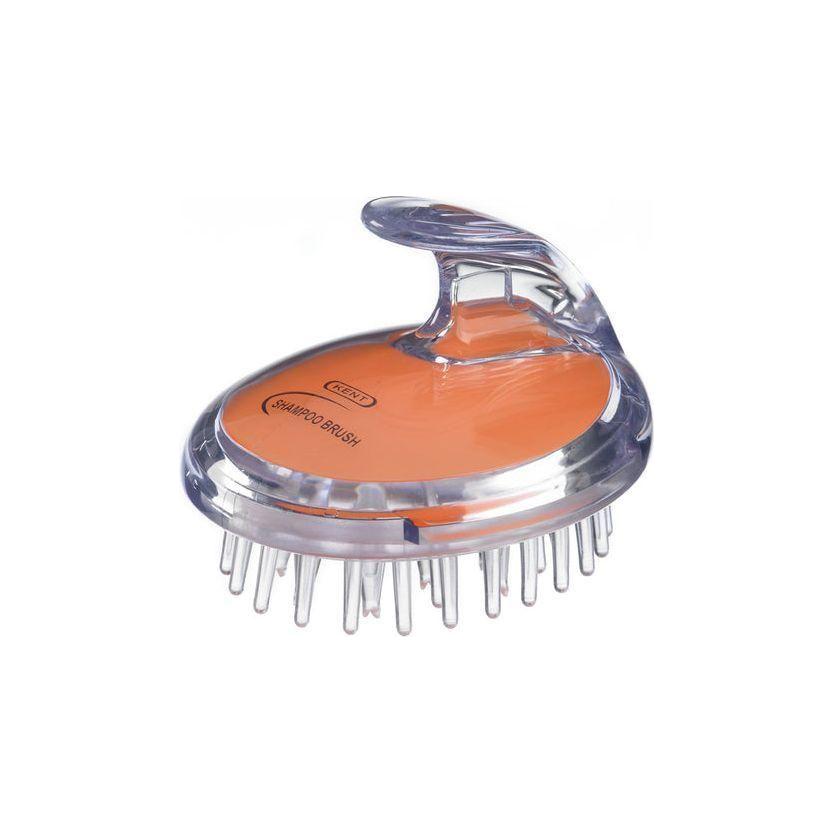
The Glimmer Goddess® Scalp Care Tools Collection brings together shampoo brushes, silicone scalp scrubbers, massage tools, serum applicators, scalp combs and other targeted accessories designed to make scalp care easier and more intentional.
Some tools help loosen buildup during cleansing. Others support gentle massage, more precise product application or a relaxing at-home scalp ritual. The goal is not to overwork the scalp. It is to give it the same thoughtful care you give the skin on your face and body.
How to Choose the Right Scalp Care Tool
Start by thinking about what you want the tool to help with.
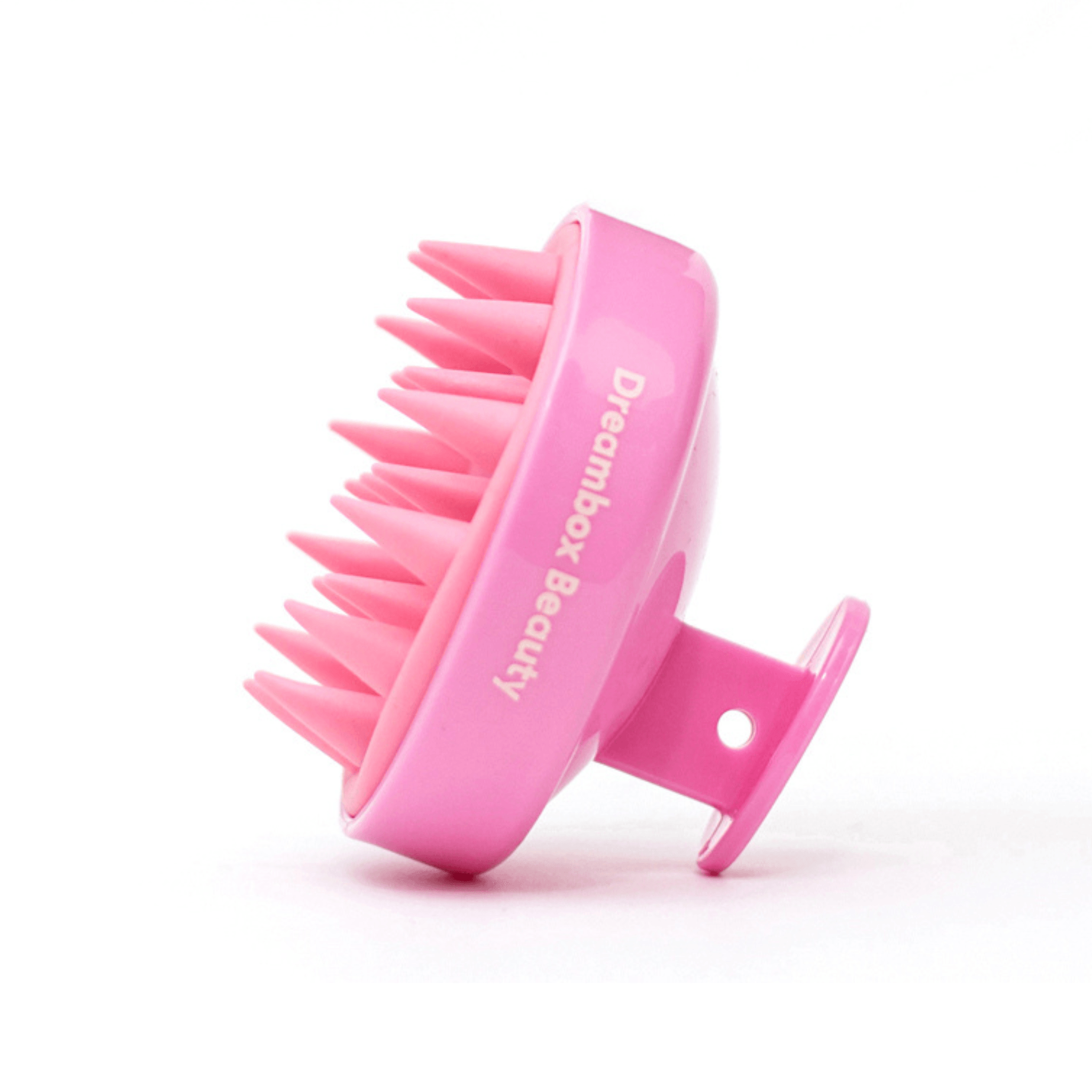
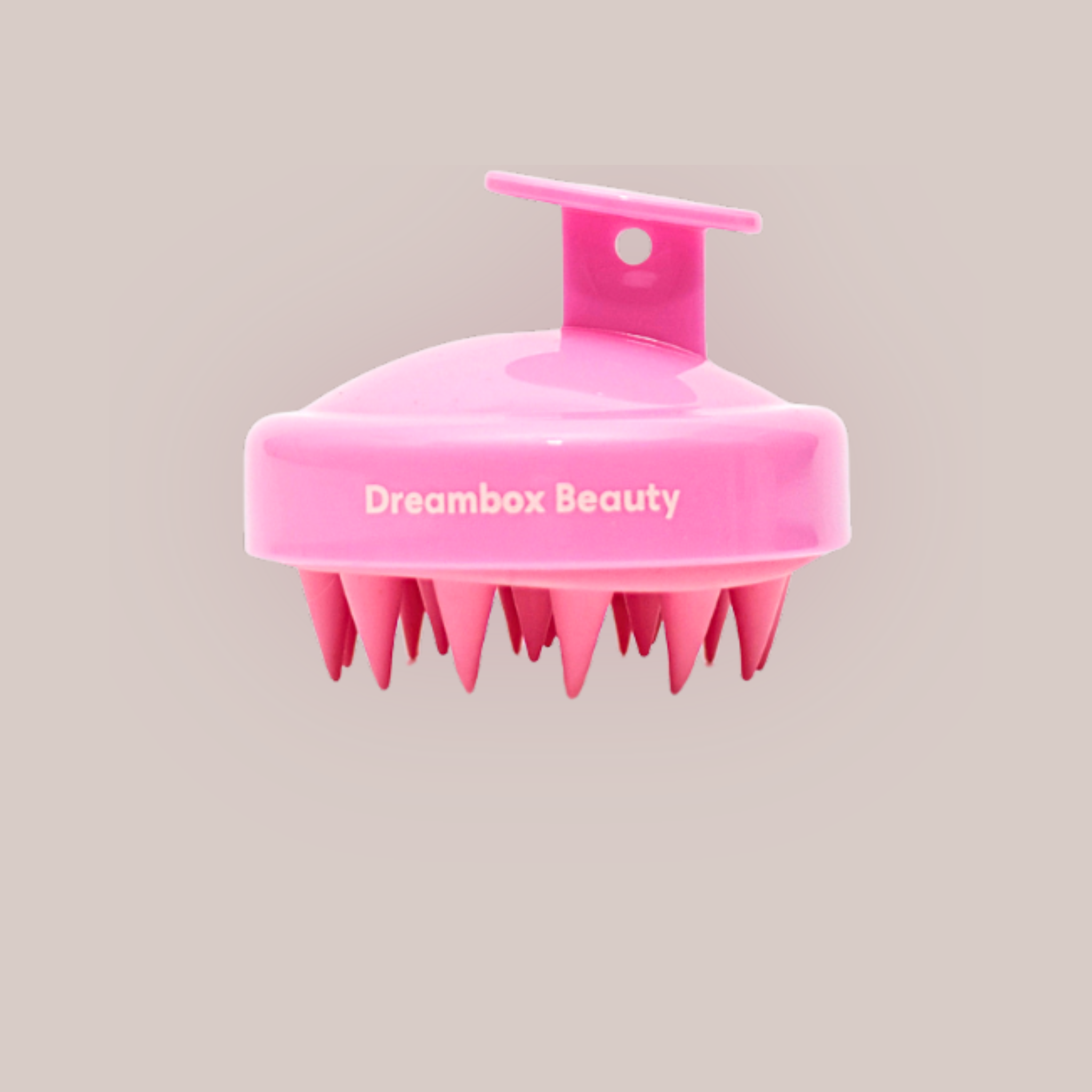
Silicone shampoo brushes: Best for gently working shampoo through the scalp and helping loosen oil, flakes and product buildup.
Manual scalp massagers: Best for creating a relaxing massage experience during wash day or on dry hair.
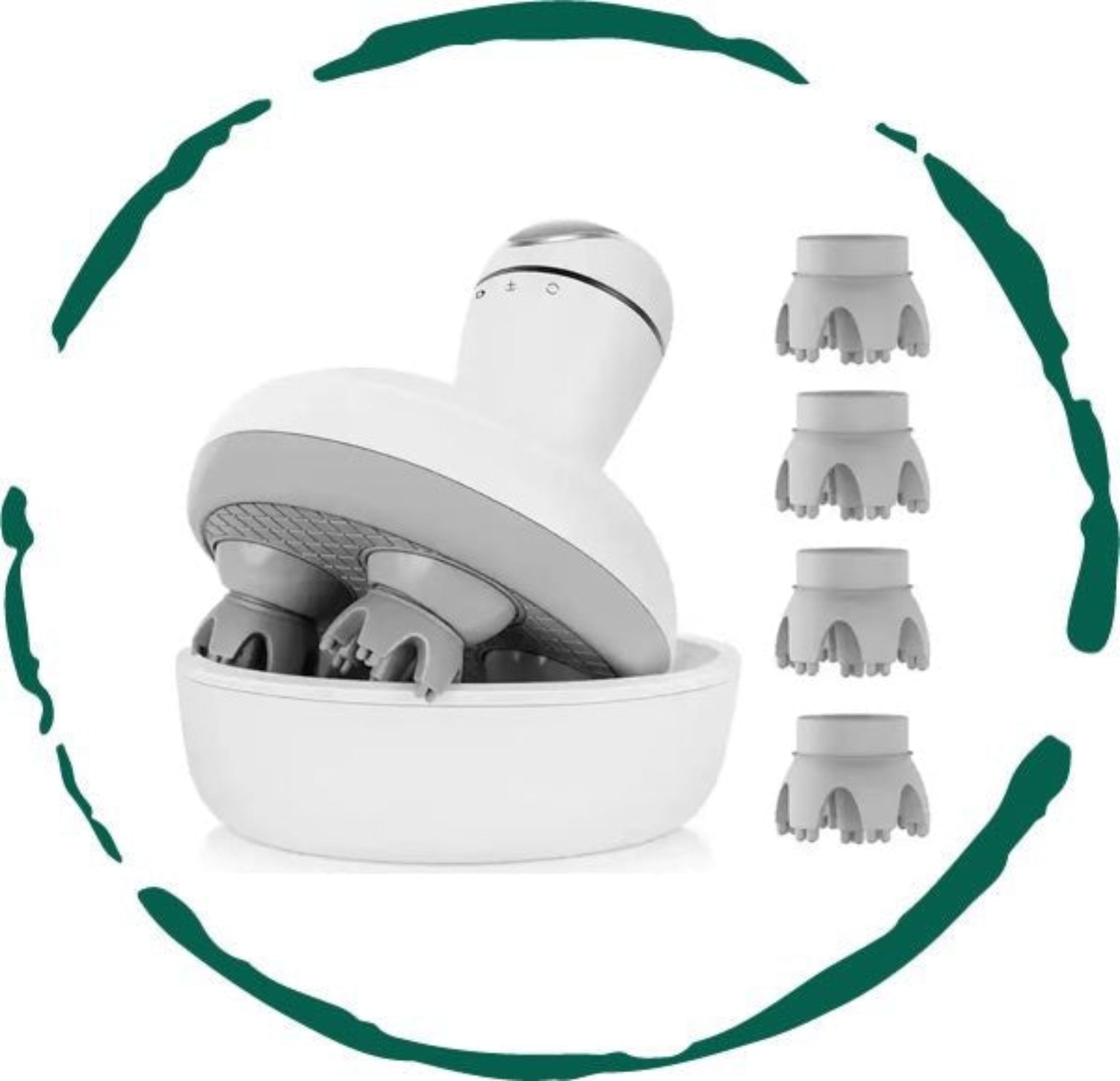
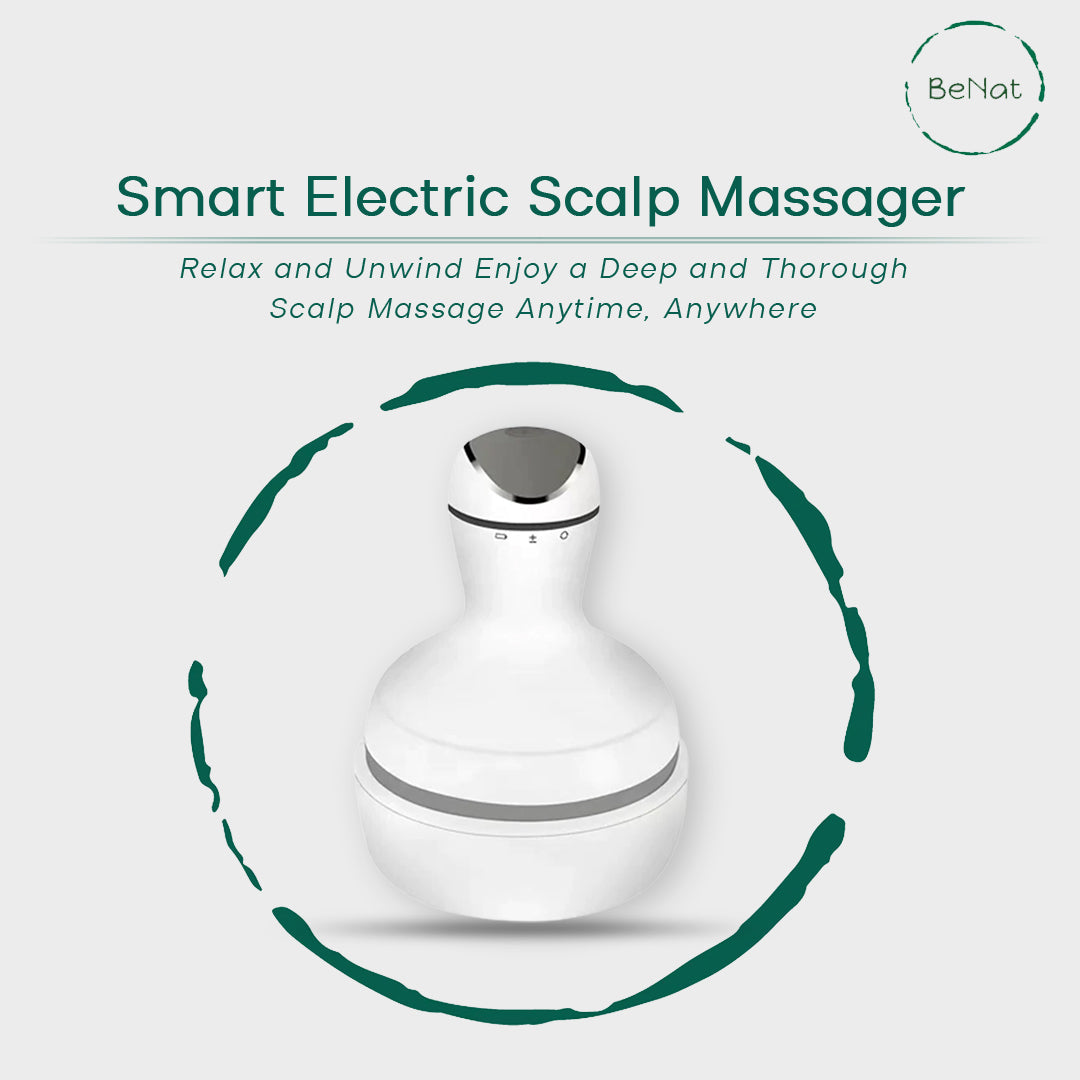
Electric scalp massagers: Best for customers who want a more hands-free, spa-inspired massage.
Scalp serum applicators: Best for placing targeted treatments directly along the scalp instead of coating the hair.
Scalp gua sha combs: Best for gentle massage and helping distribute lightweight scalp oils or serums.
Red-light scalp tools: Best for customers who want a technology-focused addition and are comfortable following device-specific instructions.
Scalp derma rollers: Best for experienced users who understand cleaning, replacement and safe-use precautions.
You do not need every tool. Choose the one that solves a specific concern or makes an existing step in your routine easier.
Silicone Shampoo Brushes and Scalp Scrubbers
A silicone scalp brush can help work shampoo through the roots while gently loosening oil, sweat, styling residue and dry surface buildup.
The flexible tips should move comfortably across the scalp without scratching.
How to use a silicone scalp brush
Wet the hair and scalp thoroughly.
Apply shampoo directly to the scalp or distribute it with your fingertips.
Place the brush flat against the scalp.
Use small, gentle circular motions.
Lift and reposition the brush instead of dragging it through long sections of hair.
Rinse thoroughly.
Clean the brush after use and allow it to dry completely.
Avoid pressing too firmly. A scalp brush should feel stimulating and refreshing, not painful or abrasive.
Who may benefit from a scalp brush?
A scalp brush may be especially useful for people who:
Use dry shampoo frequently
Apply styling products near the roots
Have thick or dense hair
Find it difficult to distribute shampoo evenly
Want a more thorough-feeling wash-day routine
Customers with a sensitive, irritated or inflamed scalp should use extra care and begin slowly.
Manual Scalp Massage Tools
Manual scalp massagers can be used during shampooing or on dry hair, depending on the design.
Many people enjoy scalp massage because it helps turn wash day into a more relaxing ritual. It may also help distribute lightweight treatments more evenly across the scalp.
Scalp-massage tips
Begin with light pressure.
Work in small sections.
Avoid pulling or tangling the hair.
Do not repeatedly massage one area for an extended period.
Stop if the scalp becomes sore, tender or irritated.
Keep the tool clean and dry between uses.
More pressure does not create better results. The scalp should feel refreshed, not bruised or overstimulated.
Electric Scalp Massagers
An electric scalp massager can provide a consistent, spa-like massage with less effort than a manual tool.
Depending on the design, it may be used on dry hair, during shampooing or with a lightweight scalp treatment.
Always follow the individual product instructions because water resistance, speed settings and cleaning methods vary.
Before using an electric scalp massager
Check:
Whether the device is waterproof or water-resistant
Whether it can be used in the shower
Recommended session length
Approved products for use with the device
Charging and cleaning directions
Listed precautions and contraindications
Do not submerge an electronic device unless it is specifically designed for that purpose.
Scalp Serum Applicators
Scalp applicators are designed to help place serum, oil or treatment directly along the scalp.
This can be especially helpful when the hair is thick or when you want to avoid applying too much product to the lengths.
How to use a scalp serum applicator
Begin with a clean or freshly parted scalp, depending on the product directions.
Divide the hair into sections.
Apply a small amount along each part.
Massage gently with fingertips or a compatible scalp tool.
Avoid oversaturating the scalp.
Clean the applicator after use.
A targeted applicator can make scalp treatments feel less messy and more controlled.
Scalp Gua Sha Combs
A scalp gua sha comb combines gentle massage with a smooth, polished shape designed to move across the scalp.
It can be used on dry hair or with a very small amount of compatible scalp oil or serum.
How to use a scalp gua sha comb
Part the hair into manageable sections.
Place the comb teeth gently against the scalp.
Use slow, short movements.
Avoid aggressive scraping.
Work around the scalp rather than staying in one spot.
Clean the tool after use.
The tool should glide comfortably. If it catches the hair or causes tenderness, reduce the pressure or stop.
Red-Light Scalp Tools
Red-light scalp brushes and combs are designed for customers who want to add beauty technology to their scalp-care routine.
Because these devices vary in wavelength, output, treatment time and intended use, the directions for the specific tool should always guide use.
Before beginning, review:
Recommended session length
Suggested frequency
Whether the scalp should be clean and dry
Eye-safety guidance
Cleaning instructions
Listed precautions
Whether the device can be used with scalp serums
Longer sessions are not automatically better. Consistent, correct use matters more than overuse.
Scalp Derma Rollers
Scalp derma rollers require more care than ordinary massage or cleansing tools.
They contain very small needles that create controlled contact with the surface of the scalp. Because they can irritate the skin or introduce bacteria when used incorrectly, they should not be treated like a casual everyday accessory.
Important scalp derma-roller precautions
Use only the needle length intended for at-home cosmetic use.
Never share the roller.
Clean and disinfect it exactly as directed.
Do not use over irritated, infected, broken or inflamed skin.
Do not use on active scalp conditions without professional guidance.
Replace the roller when the needles become dull or damaged.
Avoid applying strong essential oils or irritating treatments immediately afterward.
Stop if you experience persistent redness, pain, swelling or bleeding.
A scalp derma roller should never be used aggressively or more frequently than directed.
How to Build a Simple Scalp Care Routine
A scalp routine does not need many steps.
Wash-day routine
Wet the hair and scalp thoroughly.
Apply shampoo to the scalp.
Use a silicone scalp brush with gentle circular motions.
Rinse completely.
Apply conditioner to the lengths and ends unless the product directions say otherwise.
Dry the scalp thoroughly.
Scalp-treatment routine
Part the hair into sections.
Apply a small amount of scalp serum or treatment directly to the scalp.
Use fingertips, a serum applicator or gentle massage tool to distribute it.
Follow the product directions for leave-in time and frequency.
Dry-scalp massage routine
Begin with dry, detangled hair.
Use a manual or electric scalp massager with light pressure.
Work in short sections.
Avoid excessive rubbing or hair pulling.
Stop if the scalp becomes tender.
Pairing Scalp Tools With Hair-Care Products
The product used with a scalp tool can affect how comfortable and useful the experience feels.
Silicone shampoo brushes: Pair with shampoo or scalp cleanser.
Manual scalp massagers: Use on dry hair or with shampoo, depending on the design.
Electric scalp massagers: Follow the device instructions for approved products and water use.
Scalp serum applicators: Pair with lightweight scalp serums or targeted treatments.
Scalp gua sha combs: Use alone or with a small amount of compatible scalp oil or serum.
Red-light tools: Follow the individual device directions.
Derma rollers: Use only with products specifically considered appropriate for post-rolling scalp care.
Avoid layering several stimulating treatments and tools in the same session. More is not always better, especially for sensitive scalps.
How to Clean Scalp Care Tools
Scalp tools come into contact with oil, shampoo, serum, styling residue and the surface of the skin. Regular cleaning helps keep them fresh and ready for the next use.
Silicone brushes and scrubbers
Rinse after every use.
Wash with mild soap and warm water.
Remove trapped hair.
Allow to air-dry completely.
Store in a clean, dry place.
Manual combs and massage tools
Remove loose hair after use.
Wipe with a damp cloth.
Use mild soap when appropriate for the material.
Dry fully before storing.
Electric scalp tools
Follow the manufacturer’s cleaning instructions.
Do not submerge unless the device is specifically waterproof.
Wipe the massage heads after use.
Keep charging ports dry.
Derma rollers
Disinfect exactly as directed.
Never share.
Keep the protective cover in place when stored.
Replace when damaged, dull or past the recommended use period.
When to Pause or Avoid Using a Scalp Tool
Stop using a scalp tool if it causes pain, burning, swelling, bleeding or persistent irritation.
Avoid using scalp tools over:
Broken skin
Open sores
Active infection
Fresh sunburn
Severe inflammation
Painful scalp lesions
Recently treated or highly sensitized areas
Use extra care if you have dandruff, eczema, psoriasis, folliculitis, unexplained hair loss or another scalp condition. A dermatologist or qualified healthcare professional can help determine whether a tool is appropriate.
Electronic devices may have additional restrictions related to pregnancy, implanted medical devices, seizure disorders, light sensitivity or certain medications.
Scalp care tools are cosmetic accessories for at-home use. They are not intended to diagnose, treat or cure a medical condition.
Frequently Asked Questions
Can I use a scalp massager every day?
Many people use a gentle manual scalp massager regularly. Daily use may be appropriate when pressure is light and the scalp remains comfortable. Reduce frequency if tenderness or irritation develops.
Can I use a scalp brush on dry hair?
Some scalp brushes are designed for dry massage, while others are intended for shampooing. Follow the directions for the specific tool.
Does a scalp massager make hair grow?
A scalp massager can support a cleaner, more comfortable routine and may help distribute products, but it should not be presented as a guaranteed hair-growth treatment.
Should I use a scalp massager before or after shampoo?
A silicone shampoo brush is usually used while cleansing. A manual or electric massager may be used before, during or after washing depending on its design.
Can I use scalp oil with a silicone massager?
Yes, when the product and tool are compatible. Use only a small amount to avoid oversaturating the scalp, and clean the tool afterward.
How often should scalp tools be cleaned?
Tools used with shampoo, serum or oil should ideally be cleaned after every use. Dry-use tools should still be cleaned regularly and kept free from loose hair and residue.
Can I use a derma roller with scalp serum?
Only use products that are considered appropriate for application after rolling. Avoid strong essential oils, fragrances or potentially irritating actives unless specifically approved for that use.
Can scalp tools replace treatment from a dermatologist?
No. Scalp tools can support a cosmetic routine, but persistent itching, pain, inflammation, sudden shedding or patchy hair loss should be evaluated by a qualified professional.
A More Intentional Way to Care for Your Scalp
Scalp care does not need to feel clinical or complicated.
A few gentle minutes with a shampoo brush, serum applicator or massage tool can make cleansing more thorough, treatment application more precise and wash day more enjoyable.
Explore the Glimmer Goddess® Scalp Care Tools Collection and choose the tools that help your scalp feel clean, refreshed and thoughtfully cared for.