



Botanical Skincare Ingredients: Aloe, Green Tea, Rosehip, Calendula & More
Botanical ingredients can play useful roles in skincare, but they are not interchangeable and they are not automatically medicinal. Some mainly hydrate or soften, some provide antioxidant compounds, some add aroma, and some have only limited human evidence. The finished formula—and your skin’s tolerance—matters more than whether an ingredient sounds natural or traditional.
Aloe Vera: Hydration and Soothing Support
Aloe is widely used in water-based skincare for its soothing feel and humectant-rich composition. It can help formulas feel calming and hydrating, but it should not be promoted as a cure for eczema, burns or another skin disease.
Green Tea: Antioxidant-Rich Botanical
Green tea contains polyphenols that have been studied for antioxidant and anti-inflammatory activity. In cosmetics, the most defensible expectation is supportive antioxidant care within a well-formulated product—not guaranteed prevention or reversal of skin damage.
For a deeper look at this ingredient family, see Matcha for Skin: What Green Tea Can—and Can’t—Do.
Rosehip Seed Oil: Emollient Fatty Acids
Rosehip seed oil provides fatty acids and naturally occurring antioxidant compounds. It can help skin feel softer and more conditioned. Evidence is not strong enough to promise that it erases scars, sun damage or wrinkles.
Rosehip should also not be described as though applying the oil is equivalent to using a standardized Vitamin A medication.
Calendula and Chamomile: Traditional Soothing Botanicals
Calendula and chamomile have long histories in topical preparations. Some research supports anti-inflammatory or soothing potential, but results vary by extract, concentration and formulation.
They should not be marketed as treatments for eczema, wounds or infection without appropriate evidence and legal positioning.
Jojoba: A Lightweight Waxy Emollient
Jojoba is technically a liquid wax ester rather than a conventional triglyceride oil. In skincare it is used to soften skin and improve slip. It can be a useful emollient, but “mimics your skin exactly” is an oversimplification.
Vegetable Glycerin: A Proven Humectant
Glycerin is one of the more straightforward ingredients on this list. It attracts water and is widely used to support hydration in cleansers, serums, lotions and creams.
Camu Camu: Vitamin-C-Rich Fruit Extract
Camu camu is naturally rich in Vitamin C, but the effect of a cosmetic containing camu camu depends on how the extract is processed, stabilized and formulated. A fruit source of Vitamin C does not automatically perform like a clinically studied topical ascorbic-acid formula.
For more context on botanical Vitamin C sources, see Kakadu Plum and Other Plant Sources of Vitamin C.
Plant Cell-Culture Extracts: Not Living Stem Cells
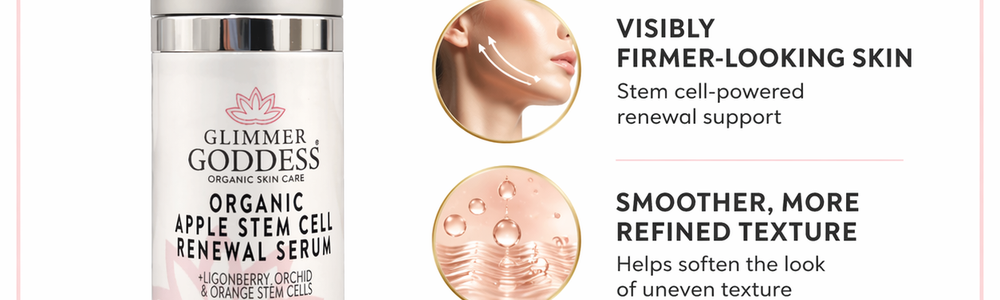
Apple, orchid, orange and other “plant stem cell” ingredients in cosmetics are generally extracts or derivatives from plant cell cultures. They do not become human skin cells.
See Plant Stem Cells in Skincare: What “Apple Stem Cell” Really Means for a fuller explanation.
Essential Oils: Aroma First, Treatment Claims Second
Lavender, lemon, bergamot and other essential oils are concentrated aromatic materials. In skincare, they may contribute scent and sensory character, but they can also irritate or sensitize some users.
We do not treat essential oils as substitutes for acne, eczema or infection treatment. Citrus essential oils also require careful formulation because some can be photoreactive depending on composition and processing.
For Glimmer Goddess® scent families, see the Glimmer Goddess® Scent Guide.
How to Judge a Botanical Ingredient Claim
- Look at the finished formula. One botanical does not determine the entire product’s performance.
- Separate cosmetic from medical claims. “Helps skin feel softer” is different from “treats eczema.”
- Consider concentration and stability. Extracts can vary dramatically.
- Patch test if you are reactive. Natural ingredients can still cause allergy or irritation.
- Keep sunscreen and basic moisturizer in perspective. A long botanical list does not replace the fundamentals.
A Current Glimmer Goddess® Botanical Example
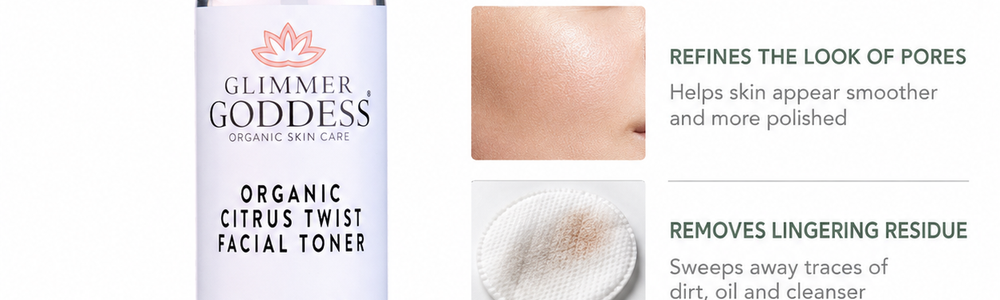
The active Organic Rose Water Facial Toner – Citrus Twist Toner with Witch Hazel & Aloe is one current formula whose product title reflects several botanical ingredients. As with any cosmetic, evaluate the whole formulation rather than assuming each plant name guarantees a specific clinical outcome.
Frequently Asked Questions
Are botanical ingredients safer than synthetic ingredients?
Not automatically. Ingredient source alone does not determine safety.
Do more botanicals make a product better?
No. A shorter, well-designed formula may outperform a long ingredient list if it better fits your skin and is more stable.
Can botanicals treat medical skin conditions?
Cosmetics should not be relied on to diagnose or treat a skin disease. Persistent symptoms deserve medical evaluation.
The Bottom Line
Botanical skincare can be elegant and effective when each ingredient has a clear role. Focus on hydration, emollience, antioxidant support and sensory benefits that the finished formula can realistically deliver—and be skeptical of “healing,” “regenerating” or disease-treatment language.
Sources: Benefits of topical natural ingredients in epidermal permeability barrier; Anti-Inflammatory and Skin Barrier Repair Effects of Topical Application of Some Plant Oils; Plant stem cells in cosmetics: current trends and future directions.