




Foods for Healthy-Looking Skin: Nutrients, Myths & Realistic Benefits
Healthy-looking skin is influenced by far more than one “superfood.” Genetics, age, hormones, sleep, smoking, ultraviolet exposure, skincare and overall nutrition all play a role. Food can support normal skin function by supplying protein, vitamins, minerals and essential fats—but it should not be treated as sunscreen, an acne cure or a substitute for medical care.
Start With the Bigger Picture
A varied diet built around fruits, vegetables, whole grains, legumes, nuts, seeds and adequate protein is more useful than chasing one ingredient for “glowing skin.” Nutrients work together throughout the body, and deficiencies are different from simply eating more of a nutrient when you already get enough.
Vitamin C: Important for Normal Collagen Formation
Vitamin C is required for normal collagen synthesis and also functions as an antioxidant in the body. Citrus fruits, strawberries, kiwi, bell peppers, broccoli and many other fruits and vegetables can contribute vitamin C to the diet.
That does not mean eating vitamin C-rich foods erases wrinkles or replaces topical sun protection. Think of vitamin C as an essential nutrient, not a cosmetic treatment delivered by food.
Vitamin E: An Antioxidant Nutrient
Vitamin E helps protect cells from oxidative damage and is found in foods such as nuts, seeds and vegetable oils. Sunflower seeds and almonds are common dietary sources. As with other nutrients, more is not automatically better, and food sources should not be described as creating an internal sunscreen.
Essential Fats: Part of a Balanced Diet
Walnuts, chia seeds, flaxseed and fatty fish can contribute essential fatty acids. These fats participate in many normal body functions, including components of cell membranes. They should not be marketed as treatments for eczema, acne or other skin diseases based on food alone.
Colorful Produce and Carotenoids
Carrots, sweet potatoes, leafy greens, tomatoes and other colorful produce provide carotenoids and other plant compounds. A produce-rich diet is a sensible health habit, but eating these foods does not provide the reliable, labeled UV protection of sunscreen.
What About Green Tea?
Green tea contains polyphenols that are widely studied for antioxidant activity. Drinking green tea can be part of a balanced diet if you enjoy it, but it should not be described as a “UV shield” or as protection against skin cancer. Use proven sun-protection measures instead.
Coconut Oil: Food vs. Skincare Are Different Questions
Coconut oil can be used as a food and as a topical emollient, but eating it does not provide meaningful SPF. Likewise, applying plain coconut oil should not replace a sunscreen product with labeled broad-spectrum protection.
Hydration Matters—But Water Is Not a Skin Cure
Drinking enough fluids supports normal body function. Severe dehydration can affect how skin looks and feels, but forcing excessive water intake will not automatically clear acne or erase lines. Let thirst, activity level, climate and medical guidance shape your fluid needs.
No Food Replaces Sunscreen
The FDA recommends broad-spectrum sunscreen as part of a broader sun-protection strategy that also includes shade and protective clothing. Foods, supplements and plant oils should not be presented as substitutes for labeled sunscreen. Read FDA sunscreen guidance.
Pair Nutrition With a Sensible Skincare Routine
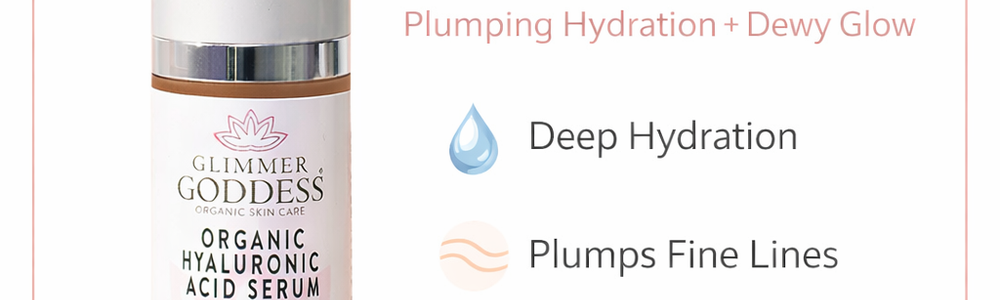
Nutrition supports the body from within, while topical skincare has different jobs. A simple routine of gentle cleansing, moisturizer and daytime sun protection is a practical foundation. If you want an antioxidant-focused topical step, Glimmer Goddess® Organic Vitamin C Serum 20% is a current cosmetic option; topical products should still be used according to their directions and realistic cosmetic claims.
The Bottom Line
There is no single best food for glowing skin. A varied, nutrient-dense diet supplies the building blocks your body needs for normal skin function, while sunscreen and appropriate topical care address different needs. Be cautious with claims that a food cures acne, treats eczema, reverses aging or protects you from UV exposure.