



Oily Skin in Winter: How to Moisturize Without Feeling Greasy
Oily skin still needs moisture in winter. Cold weather, wind and heated indoor air can leave the surface feeling tight or irritated even when the T-zone remains shiny. The goal is not to “dry out” oil—it is to keep the skin comfortable without adding unnecessary heaviness.
Can Oily Skin Be Dry at the Same Time?
Yes. Oil and water are different parts of skin function. You can have an oily complexion and still experience surface dryness, tightness or irritation. That does not prove your skin is producing extra oil because it is dehydrated; it simply means shine and barrier comfort can exist as separate concerns.
Start With a Gentle Cleanser
AAD advises people with acne-prone skin to wash gently and avoid scrubbing. Harsh cleansing can leave skin irritated without solving the underlying tendency toward oiliness.
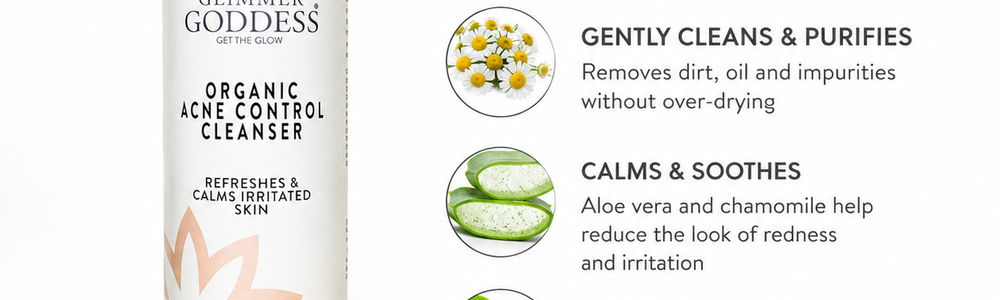
The current Glimmer Goddess® Organic Acne Cleanser – Gentle Face & Body Wash is an active cleanser option. In editorial skincare guidance, treat it as a cleanser—not as a promise to cure acne.
Choose Moisture by Texture, Not by Fear of Oil
If rich cream feels heavy, use a lighter moisturizer or hydrating serum beneath an appropriate moisturizer. Look for humectants such as glycerin or hyaluronic acid and consider products labeled noncomedogenic when breakouts are a concern.
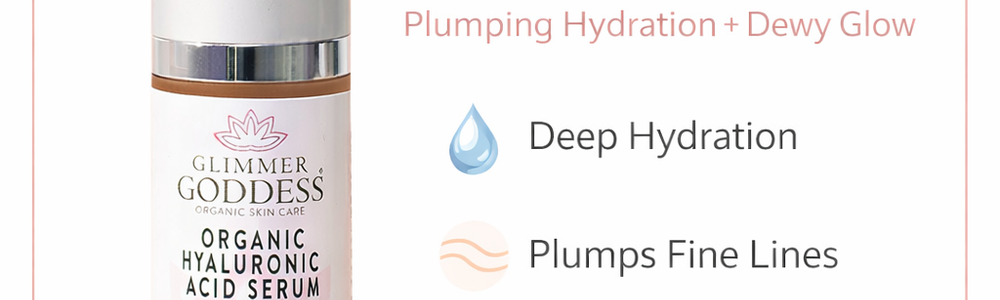
The current Glimmer Goddess® Organic Hyaluronic Acid Serum can provide a lightweight hydration step when tolerated, but serum alone may not replace moisturizer for irritated or dry-feeling skin.
Do Not Use Astringency as the Goal
A toner or cleanser that leaves skin feeling squeaky or burning is not necessarily “controlling oil.” Alcohol-heavy astringents, repeated scrubbing and frequent harsh exfoliation can increase irritation.
What About Acne Actives in Winter?
If you already use salicylic acid, benzoyl peroxide or another acne treatment, keep following your dermatologist’s or product directions. If your skin becomes dry or irritated, you may need to adjust frequency or add moisturizer rather than layering more treatment.
AAD recommends moisturizer for acne-prone skin when treatment causes dryness and notes that products labeled oil-free, noncomedogenic or “won’t clog pores” can be useful choices.
Should Oily Skin Exfoliate More in Winter?
Not automatically. Exfoliation frequency should depend on the product, your existing routine and your skin’s tolerance. If you are already stinging, peeling or red, more exfoliation is not the answer.
What Does an Oily-Skin Winter Routine Look Like?
Morning
- Gentle cleanse or rinse, depending on your skin.
- Lightweight serum if desired.
- Moisturizer that feels comfortable.
- Broad-spectrum sunscreen.
Evening
- Remove makeup and sunscreen gently.
- Use your regular cleanser.
- Apply established acne treatment if appropriate.
- Finish with moisturizer.
How to Tell If Your Moisturizer Is Too Heavy
Comfort is the practical test. If a product consistently feels occlusive, causes unwanted shine or seems to coincide with breakouts, try a lighter formula. Do not assume every cream or occlusive ingredient is inherently pore-clogging for everyone.
Frequently Asked Questions
Does winter make oily skin produce more sebum?
There is not good reason to assume cold weather automatically makes skin “overcompensate” by producing more oil. Oil production is influenced by factors including hormones, genetics and skincare practices.
Can I skip moisturizer if my face is shiny?
You can choose a lighter texture, but persistent tightness or dryness is a sign your skin may benefit from moisture.
Should I use hot water to remove oil?
No. Lukewarm water is gentler and less likely to leave skin irritated.
Can clay masks replace acne treatment?
No. A cosmetic clay mask may absorb surface oil, but acne treatment should follow evidence-based products and medical guidance when needed.
The Bottom Line
Winter oily-skin care is about balance, not stripping. Cleanse gently, keep established acne treatments consistent, choose lightweight moisture and reduce anything that leaves your skin burning, tight or visibly irritated.
Sources: American Academy of Dermatology: Acne skin care tips; AAD: Moisturizer for acne-prone skin.