



6 Signs Your Winter Skincare Routine Needs an Adjustment
A winter skincare routine usually needs adjusting when your skin starts feeling less comfortable—not simply because the calendar changed. Tightness after cleansing, new stinging, rough texture and makeup catching on flakes are more useful signals than blindly adding richer products.
1. Your Skin Feels Tight Right After Cleansing
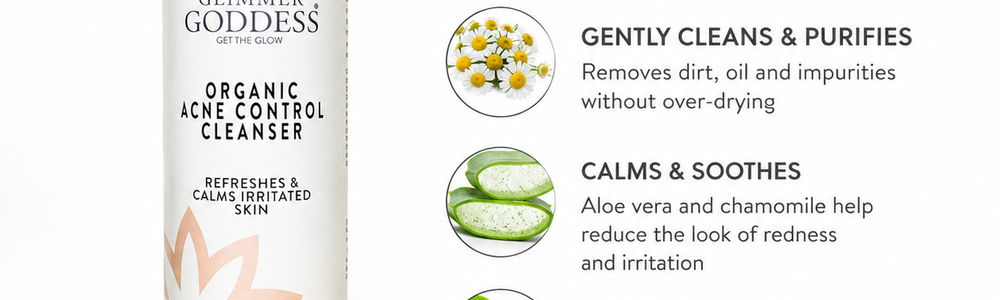
If your face feels stretched, squeaky or uncomfortable immediately after washing, your cleanser, water temperature or cleansing frequency may be too stripping for the season.
Try lukewarm water, avoid prolonged hot rinsing and use a cleanser your skin tolerates. AAD recommends gentle cleansing and prompt moisturizer for dry skin.
2. Your Moisturizer Disappears but Skin Still Feels Rough
If a lightweight moisturizer no longer leaves your skin comfortable, you may need a richer cream rather than several extra serums. Texture matters: gels are generally lighter, creams richer and ointments most occlusive.
The current Glimmer Goddess® Skin Renewal Night Cream is a richer evening facial moisturizer option.
3. Products That Used to Feel Fine Now Sting
New stinging or burning can be a sign that your skin barrier is irritated. Do not respond by stacking more acids, scrubs or unfamiliar actives. Simplify the routine and use products you already know your skin tolerates.
If redness, burning or a rash persists, see our winter skin redness guide and consider a dermatologist if symptoms continue.
4. Makeup Starts Catching on Flaky Areas
Flaking does not automatically mean you need stronger exfoliation. Dry, peeling winter skin often needs more moisture and less friction. AAD cautions that exfoliating visibly dry, peeling skin can worsen irritation.
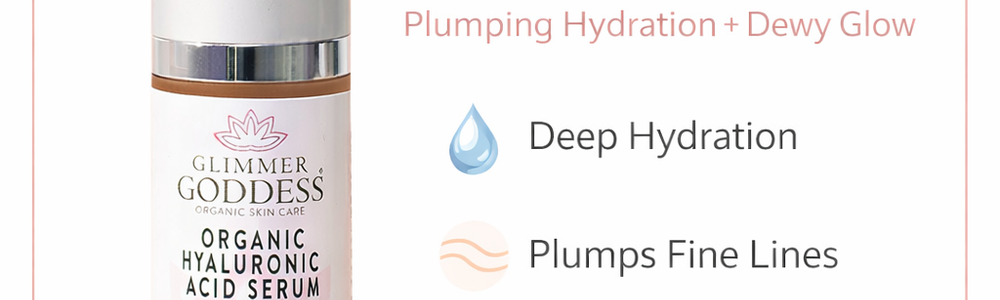
If you want a lightweight hydration step beneath moisturizer, the current Glimmer Goddess® Organic Hyaluronic Acid Serum is an option when your skin tolerates humectant serums.
5. Your Face Is Fine but Hands, Lips or Body Are Suddenly Dry
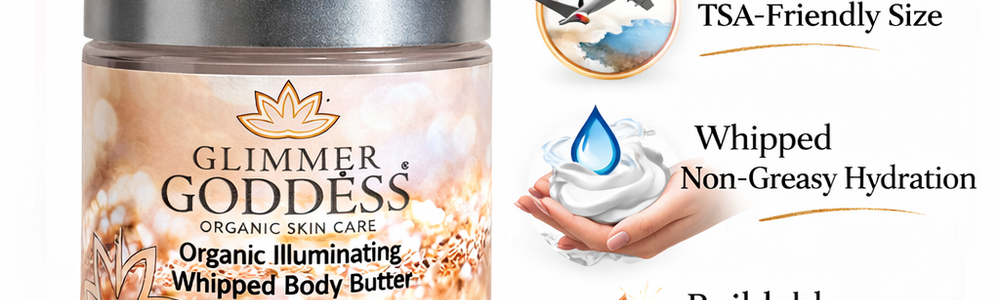
Your facial routine may not be the problem. Frequent handwashing, cold wind and indoor heat can affect other areas first. Reapply hand moisturizer after washing, protect exposed skin outdoors and use body lotion or butter based on how dry your skin feels.
Our winter hydration guide covers shower temperature, humidity and moisturizer timing.
6. You Are Trying to Fix Dryness by Exfoliating More
This is a common sign the routine needs recalibrating. Exfoliation can improve surface texture when appropriate, but it does not replace moisturizer. If skin is stinging, visibly flaky or irritated, pause nonessential exfoliation and let comfort guide the next step.
For a step-by-step moisture routine, see how to layer moisturizers in winter.
What Does Not Automatically Mean Your Routine Is Failing?
- One breakout: A single blemish does not prove your moisturizer is too rich or your skin is “purging.”
- Occasional shine: Oily areas can coexist with dry or dehydrated-feeling areas.
- Temporary flushing after cold exposure: Brief redness can occur with temperature changes; persistent or painful redness deserves evaluation.
- Needing a different texture on different areas: Combination skin may not need one product everywhere.
How to Adjust Without Overhauling Everything
- Change one variable at a time.
- Start with water temperature and cleanser comfort.
- Apply moisturizer promptly after cleansing.
- Choose a richer texture only where needed.
- Keep sunscreen in the morning.
- Pause extra exfoliation if skin is irritated.
Frequently Asked Questions
Should everyone switch to a heavy cream in winter?
No. Use the lightest texture that keeps your skin comfortable. Oily or acne-prone skin may still prefer a lighter moisturizer.
Is flaky skin always dehydrated skin?
No. Flaking can have several causes, including irritation and skin conditions. Persistent scaling, itching or redness may need medical evaluation.
How quickly should I change products when the weather changes?
There is no required date. Adjust when your skin’s comfort, texture or tolerance changes.
Can I add several products at once?
It is better to change one step at a time so you can tell what is helping—or irritating—your skin.
The Bottom Line
Your winter routine needs an adjustment when your skin gives you consistent signals: tightness, roughness, stinging or persistent flaking. Respond with gentler cleansing, better moisturizer timing and appropriate texture before adding more actives.
Source: American Academy of Dermatology: Tips to relieve dry skin.