



Hair Oiling for Dry Hair: Pre-Shampoo vs. Leave-In & How Much to Use
Hair oiling can be useful for dry, frizz-prone or chemically stressed hair, but the best method depends on what you want the oil to do. A pre-shampoo treatment and a leave-in finishing oil are not interchangeable: one is washed out, while the other is used sparingly to smooth and add shine.
What Hair Oil Can Realistically Do
Hair oils can lubricate the fiber, reduce friction and make dry hair feel smoother. Evidence is strongest for coconut oil’s ability to reduce protein loss under some grooming conditions. Evidence for argan oil is more limited, although laboratory research suggests pretreatment may reduce protein loss from oxidative damage. These findings do not mean hair oils make follicles grow new hair.
For a broader comparison of oil types, see Hair Oil for Dry Hair: Argan, Coconut & How to Choose and our focused guide to argan oil for frizz, shine and breakage.
Method 1: Pre-Shampoo Oiling
Pre-shampoo oiling means applying a small amount of oil to dry or slightly damp lengths before washing. This approach can be useful when shampoo leaves the ends feeling rough or when hair is prone to tangling.
- Start with a small amount, concentrating on mid-lengths and ends.
- Distribute gently with your hands or a wide-tooth comb.
- Leave it on only as long as is comfortable and practical; an overnight treatment is not required.
- Shampoo thoroughly, focusing cleanser on the scalp and allowing lather to rinse through the lengths.
- Condition as usual.
If your scalp is oily, itchy, flaky or acne-prone, keeping oil mainly on the lengths may be more comfortable than coating the scalp.
Method 2: Leave-In or Finishing Oil
A leave-in oil is about polish, not saturation. Use one or two drops at first, rub them between your palms, then smooth over the driest areas and ends. Fine hair usually needs less than coarse or tightly curled hair.
If hair looks stringy or greasy, reduce the amount before deciding the oil “doesn’t work.” Overapplication is one of the most common reasons finishing oils feel heavy.
Where an Argan Hair System Fits
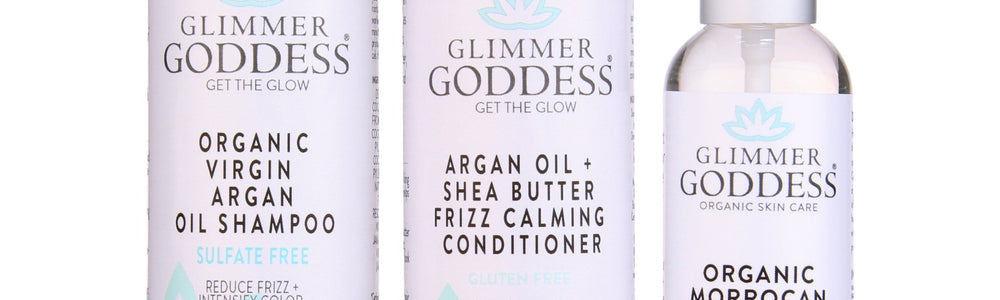
The current Organic Argan Oil Hair Treatment Trio – Hydrating 3-Step System combines shampoo, conditioner and a shine spray in one routine. It is designed for cosmetic conditioning, softness, shine and manageability—not as a treatment for hair loss.
Should You Oil the Scalp?
Scalp oiling is optional. If your scalp feels comfortable and you enjoy the ritual, use a modest amount and wash thoroughly. If you have persistent dandruff, significant itch, scaling, sores or hair shedding, adding more oil is not a substitute for diagnosis or evidence-based treatment.
Can Hair Oil Cause Buildup?
Yes. Heavy or frequent oiling can leave hair limp, make fine strands look greasy and require more cleansing to remove. Start with less product and increase only if your hair benefits.
Frequently Asked Questions
Is overnight hair oiling necessary?
No. Longer contact time is not automatically better, and an overnight treatment is not required for cosmetic conditioning.
Does argan oil grow hair?
There is not strong clinical evidence that argan oil stimulates new hair growth.
Is coconut oil better than argan oil?
They have different evidence and textures. Coconut oil has stronger research for reducing hair protein loss under some conditions; argan oil is often used for softness and shine.
The Bottom Line
Use hair oil according to the job: more generously before shampoo when your lengths need cushioning, or in tiny amounts after styling for shine and frizz control. Hair oil can improve feel and manageability, but it should not be framed as a proven hair-growth treatment.
Sources: Systematic review of coconut, castor and argan oil for hair; Argan oil pretreatment and hair protein loss study; Coconut oil and hair protein loss study.