
Best Conditioner for Fine, Curly, Dry & Color-Treated Hair
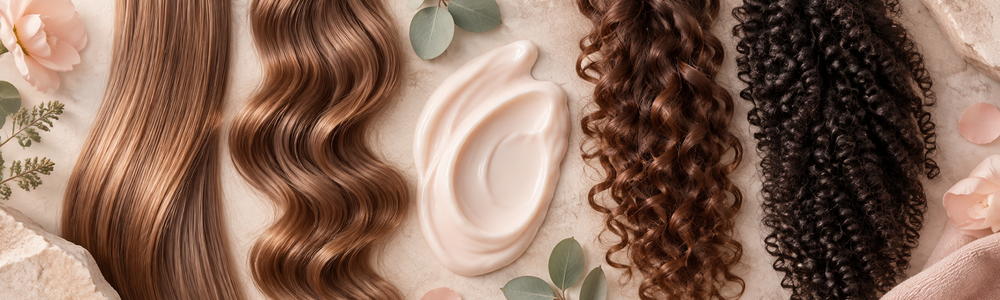
The best conditioner matches your hair’s texture, porosity, damage level, and styling needs. Fine hair usually benefits from lighter formulas and smaller amounts; curly, coarse, dry, or processed hair often needs richer conditioning and more slip. Conditioner cannot permanently repair damaged hair, but it can temporarily smooth the surface, reduce friction, and make detangling easier.
What conditioner actually does
Shampoo removes oil and buildup; conditioner deposits ingredients that improve lubrication and smoothness. A recent scientific review explains that conditioners can reduce hair friction by depositing materials on the hair surface. That effect is temporary, but it can improve feel and reduce mechanical stress during combing. See the PubMed review of hair friction and conditioning.
How to choose by hair type
Fine or low-density hair
Choose a lightweight rinse-out formula and apply mainly from mid-lengths to ends. Start with a small amount and rinse thoroughly. Rich masks near the roots may reduce volume.
Curly or coily hair
Look for generous slip and enough richness to support detangling. Work in sections, use fingers or a wide-tooth comb, and avoid rough towel friction. The right amount depends on density and length.
Dry, coarse, or high-porosity hair
Richer creams and periodic deep conditioning can improve softness and manageability. Concentrate on the oldest, driest ends rather than coating the scalp.
Color-treated or heat-styled hair
Choose a conditioner intended for processed hair and reduce unnecessary heat. Conditioning can improve feel, but it cannot restore hair to an undamaged state.
Oily scalp with dry ends
Keep conditioner below the ears, use a modest amount, and rinse well. An oily scalp does not mean the lengths should go without conditioning.
A verified argan option
The current Organic Argan Oil Hair Conditioner – Deep Moisture & Frizz Control is a richer Glimmer Goddess option for dry, coarse, curly, or frizz-prone lengths. Fine hair can still use it sparingly on the ends.
How to apply conditioner
- Squeeze excess water from shampooed hair.
- Distribute conditioner through mid-lengths and ends.
- Detangle gently, beginning at the ends.
- Leave it on for the label’s stated time.
- Rinse thoroughly unless it is specifically labeled leave-in.
Signs you may be using too much
Hair that feels coated, limp, unusually greasy, or difficult to style may need less product, a lighter formula, or occasional clarifying. Hair that tangles, feels rough, or breaks during combing may need more slip, gentler handling, or a richer treatment.
Related hair guides
Continue with our guides to rinse-out, leave-in, and deep conditioners, building an argan oil hair routine, and choosing hair oil for dry hair.
FAQ
Should every hair type use conditioner?
Most lengths benefit from some conditioning, but the texture and amount should be adjusted.
Can conditioner fix split ends?
It can temporarily smooth their appearance, but trimming is the reliable way to remove split ends.
Should conditioner touch the scalp?
Usually not unless it is designed for scalp use. Apply standard conditioner primarily to the lengths.