



Rinse-Out vs Leave-In vs Deep Conditioner: How to Choose
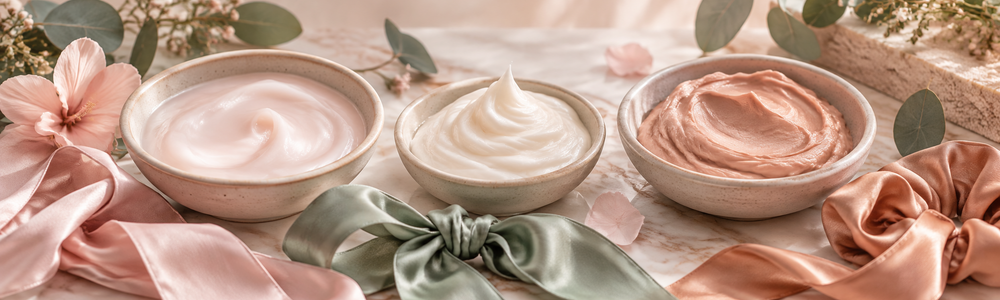
Rinse-out conditioner is the everyday detangling step used after shampoo. Leave-in conditioner stays on the hair to add ongoing slip and control. Deep conditioner is a richer, occasional treatment for dry or processed lengths. You may use one or combine them, but layering all three heavily can leave hair coated.
Rinse-out conditioner
Rinse-out formulas are designed to be applied after shampoo and washed away after the label’s recommended time. They improve slip, reduce friction, and make wet detangling easier. This is the most useful starting point for nearly every hair texture.
Leave-in conditioner
Leave-in conditioner is applied in a smaller amount to damp hair and is not rinsed out. It can help with detangling, frizz control, curl definition, and softness between washes. Fine hair generally needs a light spray or very small amount; dense curls and coils may tolerate more.
Deep conditioner or mask
A deep conditioner is richer and usually used less often. It can improve the feel of dry, coarse, bleached, color-treated, or heat-styled hair. It does not permanently rebuild the hair fiber, and longer application is not automatically better—follow the label.
The Organic Caffeine Hair Growth Mask – Deep Conditioning Treatment is a current Glimmer Goddess mask option. Use it as cosmetic conditioning support, not as a promise to treat hair loss.
How these products reduce friction
Conditioners temporarily deposit lubricating materials onto the hair surface. A 2025 scientific review notes that these deposits can reduce friction toward levels measured in less-weathered hair. Read the PubMed review on hair friction. The effect gradually washes away, which is why consistent but appropriately measured use matters.
Which format should you choose?
- Fine, straight, or easily weighed-down hair: lightweight rinse-out; optional mist leave-in on ends.
- Wavy or curly hair: rinse-out plus a modest leave-in for definition and detangling.
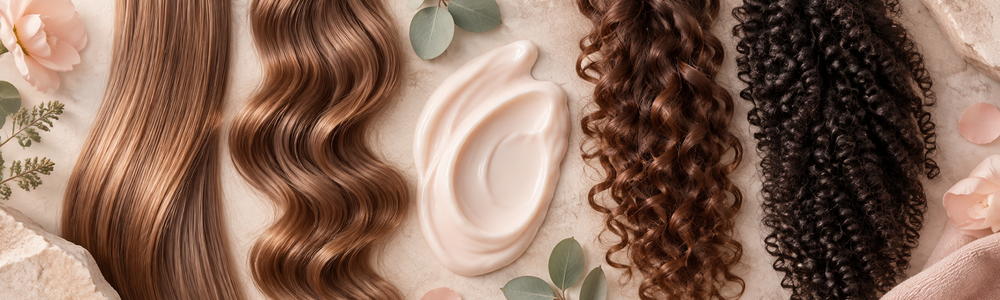
- Coily, coarse, or very dry hair: richer rinse-out and periodic deep conditioning; add leave-in as needed.
- Color-treated or bleached hair: regular rinse-out plus a weekly or label-directed mask.
- Oily scalp, dry ends: keep products on the lengths and away from the roots.
Application mistakes to avoid
- Using rinse-out conditioner as a leave-in when it is not designed for that use.
- Applying a rich mask at every wash when hair becomes limp or coated.
- Raking through tangles from the roots instead of detangling from the ends.
- Assuming “natural” automatically means gentler or more effective.
Build your routine
Read our guides to choosing conditioner by hair type, what organic hair care means, and using argan oil for frizz and shine.
FAQ
Can I use leave-in and rinse-out conditioner together?
Yes. Rinse out the first product, then apply a small amount of leave-in to damp lengths.
How often should I deep condition?
Start with the label’s guidance and adjust to your hair. Weekly may suit dry processed hair; fine hair may need it less often.
Can over-conditioning damage hair?
Excess product more often causes coating, limpness, or poor styling. Reduce quantity or frequency if that occurs.