



DIY Face Masks: Honey, Coconut Oil & Ingredients to Avoid
A DIY face mask can be a fun self-care ritual, but “natural” does not automatically mean safer, gentler or more effective. Honey and coconut oil can provide modest moisturizing benefits for some skin types, while ingredients such as lemon juice, cinnamon and improvised essential-oil blends can create unnecessary irritation risk.
What Can Honey Do for Skin?
Honey acts as a humectant, which means it can help attract and hold water at the skin surface. That can make skin feel softer and more comfortable. A homemade honey mask should not, however, be presented as a treatment for acne, eczema, rosacea, scars or wrinkles.
What Can Coconut Oil Do?
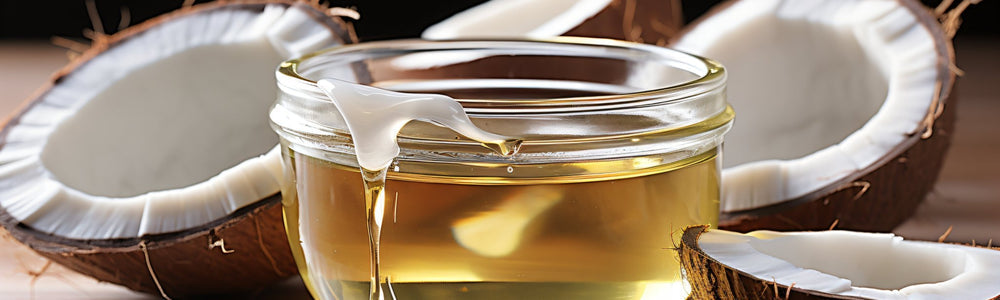
Coconut oil is a rich emollient that can reduce moisture loss and soften dry-feeling skin. Published research supports coconut oil as a moisturizer for dry skin, but facial tolerance varies. People who are acne-prone or easily congested may find the texture too occlusive.
Natural Does Not Mean Non-Irritating
Plant-derived ingredients contain biologically active compounds just like other cosmetic ingredients. Allergic reactions and irritation can occur with honey, coconut, botanicals and essential oils. Judge a formula by skin compatibility and evidence—not by whether an ingredient came from a kitchen or garden.
DIY Ingredients We Would Skip
- Lemon or lime juice: acidity varies and citrus can irritate skin; some citrus components can also increase light sensitivity.
- Cinnamon: can cause burning and irritation on facial skin.
- Undiluted essential oils: concentrated aromatic oils can irritate or sensitize skin.
- Coarse sugar or salt on the face: aggressive physical scrubbing can worsen irritation.
- Random mixtures for acne or eczema: homemade masks are not substitutes for evidence-based treatment.
Why Freshness and Clean Tools Matter
FDA notes that cosmetics can become contaminated through water, raw materials, ineffective preservation, hands and storage. A fresh kitchen mask does not have the preservation system of a properly formulated cosmetic. Make only a small amount for immediate use, use clean utensils and discard leftovers rather than storing them.
How to Patch Test a DIY Mask
- Use a very small amount on intact skin in a discreet area.
- Keep the first contact brief.
- Rinse gently and watch for persistent redness, swelling, itching, burning or bumps.
- Do not use the mixture on your full face if the test area becomes irritated.
A Conservative Honey + Coconut Oil Mask
If your skin tolerates both ingredients, use a small amount of plain honey with a small amount of coconut oil and apply a thin layer to clean, intact skin. Avoid the eye area, rinse with lukewarm water and follow with a simple moisturizer if needed. There is no need to exfoliate first or add essential oils.
Who Should Be Extra Cautious?
Skip DIY masks on broken, sunburned or actively inflamed skin. Avoid honey if you have a known allergy to bee products and avoid coconut if you have a known coconut allergy. Persistent acne, rashes or painful irritation deserve professional evaluation rather than repeated home experiments.
The Bottom Line
Honey and coconut oil can make a simple moisturizing mask for some people, but DIY skincare works best when expectations stay modest. Keep the recipe minimal, make it fresh, patch test first and avoid ingredients that add irritation without a clear benefit.
Sources: FDA: Homemade Cosmetics Fact Sheet; FDA: Microbiological Safety and Cosmetics.