



Coconut Cream for Skin: What It Can—and Can’t—Do
Coconut cream is rich and appealing in food and DIY beauty recipes, but skincare claims around it often go far beyond the evidence. Coconut cream can contribute fats and a creamy feel, yet it is not interchangeable with coconut oil, and it should not be described as a treatment for acne, eczema, inflammation or aging.
What Is Coconut Cream?
Coconut cream is a concentrated mixture made from coconut flesh and water. It contains coconut-derived fats along with water and other natural components. That makes it very different from pure coconut oil, which is primarily lipid.
Coconut Cream vs. Coconut Oil
Coconut oil has published clinical evidence supporting its use as an emollient for dry skin. Coconut cream does not have the same body of topical clinical research. It may feel moisturizing because of its fat content, but broad claims about collagen, acne control, skin regeneration or wrinkle reduction should not be assumed.
Can Coconut Cream Moisturize Skin?
It can contribute an emollient feel, but a well-formulated lotion usually offers a more predictable moisturizing system because it combines water, oils, humectants, emulsifiers and preservatives in controlled amounts. The performance comes from the complete formula rather than one highlighted ingredient.
Is Coconut Cream Good for Acne-Prone Skin?
Not necessarily. Rich coconut-based materials may feel too occlusive for some acne-prone or easily congested complexions. There is no reason to assume coconut cream “regulates oil” or kills acne-causing bacteria when used as a homemade facial treatment.
Can It Treat Eczema or Sensitive Skin?
No cosmetic ingredient should be promoted as a treatment for eczema unless it is an appropriately regulated drug product. People with sensitive skin can also react to natural ingredients. If your skin is inflamed, cracked or persistently itchy, medical guidance is more appropriate than experimenting with kitchen ingredients.
Why a Finished Coconut Lotion Is Different
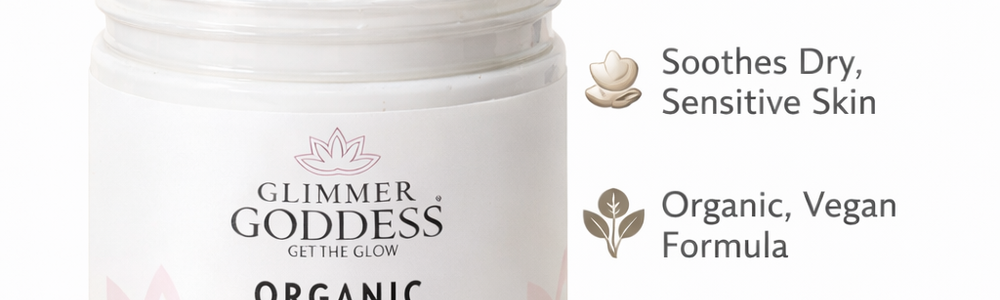
Glimmer Goddess® Organic Coconut Milk Body Lotion is a preserved finished cosmetic formulated for body moisturization. It is not simply coconut cream in a bottle. Its texture and performance come from the complete blend of moisturizing ingredients and the finished formulation.
What About DIY Coconut Cream Masks?
Fresh food ingredients are not automatically designed for facial use. Coconut cream contains water, which means homemade mixtures can spoil or support microbial growth. If you experiment with a DIY recipe, make only a tiny fresh amount for immediate use, use clean tools and do not store leftovers.
Is “Organic Coconut Cream” Automatically Safer?
No. Organic describes how qualifying agricultural ingredients are produced; it does not guarantee a cosmetic ingredient will be non-irritating or more effective. Evaluate skin compatibility and the full formula rather than relying on the word “organic.”
Best Use for Very Dry Body Skin
For routine body care, a formulated lotion or body butter is generally more practical than raw coconut cream. Apply moisturizer after bathing while skin is still slightly damp, and use richer textures on elbows, knees and other areas that feel especially dry.
The Bottom Line
Coconut cream can feel rich and moisturizing, but it is not a miracle skincare ingredient. Coconut oil has better evidence for dry-skin moisturization, while a finished coconut-based lotion offers the consistency and preservation of a formulated cosmetic. Choose the texture your skin tolerates and keep disease-treatment claims out of the equation.