



Natural Oils & Butters for Very Dry Skin: What Helps
Natural oils and plant butters can soften very dry skin and reduce moisture loss, but they do not all work the same way. Oils spread easily and add slip, while butters create a richer, more occlusive layer. Neither adds much water, so application timing matters.
How oils support dry skin
Plant oils contain different fatty-acid profiles and create an emollient film that smooths rough-feeling skin. A lightweight oil may suit larger areas, while richer oils feel better on hands, elbows and shins. Natural origin does not guarantee non-comedogenicity or freedom from allergy.
The active Organic Silky Dry Body Oil – Fast-Absorbing Formula is positioned as a lightweight face-and-body oil. Use only a few drops and reduce frequency if skin becomes congested or irritated.
Why body butter feels richer
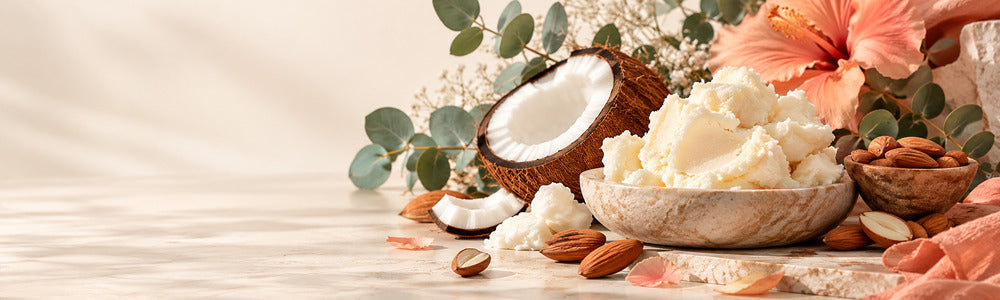
Plant butters remain more substantial on the skin and help slow evaporation. The active Organic Whipped Body Butter for Extremely Dry Skin combines a rich texture with multiple live scent choices. Review the exact variant because lightly scented, unscented and fragrance-free are not identical.
A butter can make skin feel softer quickly, but it does not treat eczema or permanently repair structural damage. Severe dryness may require a fragrance-free cream or ointment recommended by a dermatologist.
Layer products in the right order
- Take a short warm shower.
- Pat gently and leave skin slightly damp.
- Apply water-based lotion or cream.
- Press oil or butter over the driest areas.
- Reapply after handwashing or when tightness returns.
The AAD notes that thick creams and ointments generally outperform oils and butters for very dry skin. Its dry-skin recommendations reinforce why oils are best treated as a sealing step rather than the entire routine.
Ingredients and habits to approach carefully
- Essential oils may irritate or trigger allergy.
- Nut-derived oils require caution with known allergies.
- Scrubs can worsen cracks and inflamed skin.
- Heavy layers can feel uncomfortable in hot, humid weather.
Store oils and butters away from heat and strong light, close containers promptly and use clean dry hands or tools. A changed odor, color or texture can indicate deterioration; follow the product’s storage and replacement guidance instead of trying to mask the change.
Frequently asked questions
Is oil better than body butter?
Neither is universally better. Oil spreads lightly; butter seals more heavily. Climate and skin comfort guide the choice.
Can I use both?
Yes, but multiple oily layers may be unnecessary. Begin with one sealing product over lotion.
Should skin be wet first?
Slightly damp skin helps trap water. Do not apply to dripping-wet skin where slipping becomes a concern.
This guide provides cosmetic information and does not treat eczema or another disease.