

Organic Face Mask Guide: Types, Benefits & How to Use
Face masks are short-contact treatments designed for a specific cosmetic goal: absorbing excess oil, softening dry-feeling skin, or exfoliating dull surface buildup. “Organic” does not make every mask suitable for every complexion, so choose by formula and skin tolerance.
Four common mask categories
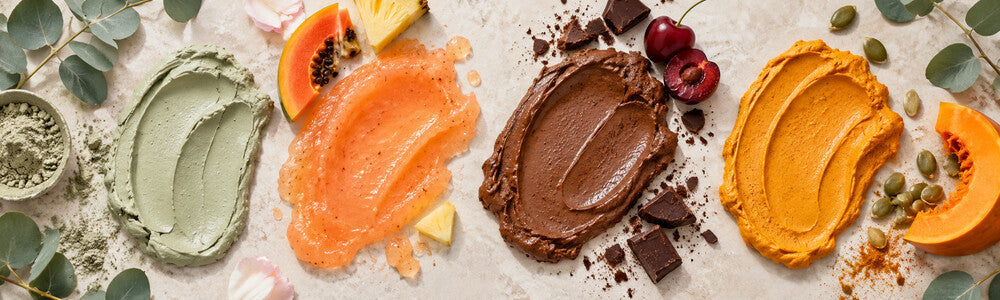
- Clay masks: help absorb surface oil and create a fresh, matte feel. They can be drying if left on too long.
- Fruit enzyme masks: loosen dull surface buildup with enzymes such as papain or bromelain.
- AHA masks: use alpha hydroxy acids for more direct chemical exfoliation and may cause tingling or irritation.
- Creamy antioxidant masks: focus on conditioning, softness and a refreshed appearance.
Choose a mask by skin goal
For gentle fruit-enzyme exfoliation, consider the Organic Papaya Pineapple Enzyme Face Mask. For a non-essential-oil option with a creamy antioxidant focus, the Organic Chocolate Cherry Face Mask is the verified fragrance-free choice in this group.
Strong exfoliating masks are not automatically better. The American Academy of Dermatology warns that improper exfoliation can harm skin and advises matching the method to skin type. Review its safe exfoliation guidance.
How to use a face mask
- Cleanse gently and pat skin dry unless the directions specify otherwise.
- Apply an even layer while avoiding eyes, lips and broken skin.
- Leave on only for the labeled time; longer is not more effective.
- Rinse thoroughly with lukewarm water.
- Follow with a simple moisturizer and use sunscreen during the day.
How often should you mask?
Begin once weekly or less. Dry or sensitive skin may need longer intervals, while oilier skin may tolerate a clay mask more often. Account for retinoids, scrubs, peels and other exfoliants already in your routine.
Frequently asked questions
Can I make a face mask at home?
DIY mixtures lack standardized pH, preservation and stability. Kitchen ingredients such as lemon juice and baking soda can be irritating and are not equivalent to a formulated cosmetic.
Should a clay mask dry until it cracks?
No. Rinse according to directions rather than waiting for excessive tightness or cracking.
Can masks treat acne or rosacea?
A cosmetic mask can support appearance and comfort but should not be presented as treatment for a diagnosed condition.
This article provides cosmetic education. Consult a dermatologist about persistent irritation, acne, rosacea or another diagnosed skin condition.