


Eyelid Eczema: Causes, Gentle Care & When to See a Doctor
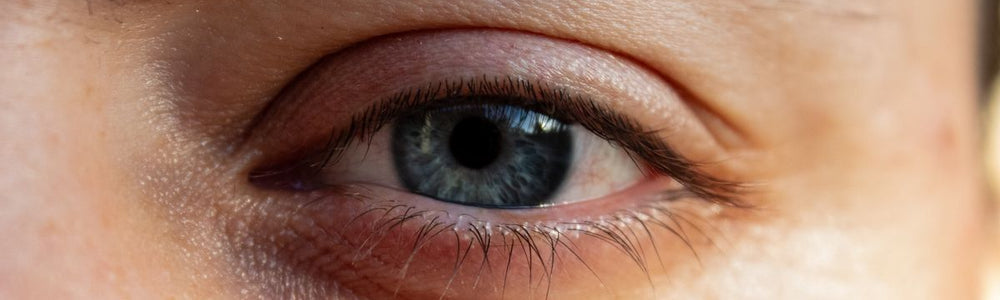
Eyelid eczema is not something to “cure” with a single skincare product. The skin around the eyes is delicate, and irritation there may be related to atopic dermatitis, irritant contact dermatitis, or allergic contact dermatitis. Because several conditions can look alike, persistent eyelid symptoms deserve professional evaluation.
Why Eyelids Can Become Irritated
Eyelids are exposed to many potential triggers, including eye makeup, cleansers, sunscreen, hair products, nail products transferred by the hands, fragrance, and airborne allergens. A dermatologist may recommend patch testing when allergic contact dermatitis is suspected.
Keep the Routine Simple
- Use lukewarm water rather than hot water.
- Avoid rubbing, scrubbing, exfoliating acids, and fragranced products on actively irritated eyelids.
- If cleansing is needed, choose a very gentle fragrance-free product and keep it out of the eyes.
- Use only moisturizers that are appropriate for the eye area and that you tolerate well.
- Pause new eye cosmetics until the flare has settled and the cause is clearer.
Do not apply strong active skincare, essential oils, or unverified home remedies directly to the eyelids. The eye area is not the place to experiment.
When Medication May Be Needed
A clinician may recommend prescription or over-the-counter medication depending on the diagnosis and severity. Because eyelid skin is thin and the eyes are nearby, use medicated products there only as directed.
When to Seek Care Promptly
Contact a healthcare professional if symptoms are persistent, worsening, recurrent, or affecting both the eyelids and the eye itself. Seek prompt care for eye pain, vision changes, significant swelling, pus, crusting, fever, or signs of infection.
Frequently Asked Questions
Can makeup cause eyelid dermatitis?
Yes. Cosmetics are one possible source of irritant or allergic contact dermatitis, but they are not the only one.
Should I use a toner or facial oil on irritated eyelids?
Not automatically. Simplifying the routine is usually safer than layering products on inflamed eyelid skin.
Will eyelid eczema always come back?
Recurrence varies. Identifying triggers and following an appropriate treatment plan can help reduce repeated flares.
The Bottom Line
For eyelid eczema, gentle care and an accurate diagnosis matter more than chasing a “natural cure.” If symptoms persist, a dermatologist or other qualified clinician can help identify the cause and safest treatment.