


Hyperpigmentation Skincare Guide 2026: What to Look For
Hyperpigmentation is not one single skin concern, so the best skincare routine starts by understanding what may be causing the discoloration. Sun exposure, inflammation, acne marks, and melasma can all create darker-looking areas, and each may respond differently to cosmetic skincare.
What Is Hyperpigmentation?
Hyperpigmentation is a general term for areas of skin that appear darker than the surrounding skin because of increased pigment. It can affect any skin tone and may appear as isolated spots, patches, or lingering marks after inflammation.
Start With Sun Protection
Daily sun protection is a core part of caring for uneven-looking tone. The American Academy of Dermatology recommends broad-spectrum SPF 30 or higher. For some forms of hyperpigmentation, including melasma, tinted sunscreen containing iron oxide may provide additional protection from visible light.
Read the AAD's guidance on fading dark spots.
Ingredients Commonly Used for Uneven-Looking Tone
Vitamin C
Vitamin C is an antioxidant used in skincare to support radiance and the appearance of a more even complexion. Formula stability and the complete ingredient system matter.
Niacinamide
Niacinamide is used in cosmetic formulas to support a more even-looking tone while also supporting the skin barrier.
Alpha Arbutin
Alpha arbutin is included in some targeted brightening formulas for visible discoloration. The finished formula and your skin's tolerance matter more than an isolated percentage.
A Verified Glimmer Goddess Option
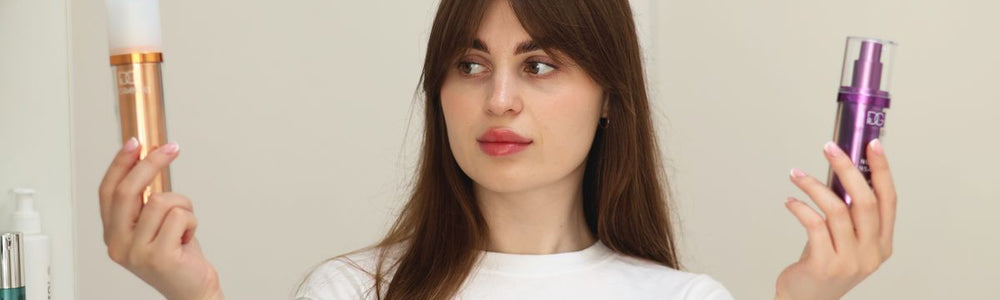
Organic Dark Spot Serum – Fade Hyperpigmentation & Even Skin Tone is an active Glimmer Goddess product. Its current live product page lists alpha arbutin, plant-based vitamin C, niacinamide, and botanical brightening ingredients, and describes the formula as hydroquinone-free.
It is included here as a verified cosmetic option, not as a medical treatment for melasma or other pigment disorders.
What About Melasma?
Melasma can be influenced by hormones, light exposure, and other factors. Because it can be persistent and may require individualized treatment, a board-certified dermatologist is the right resource for diagnosis and medical options.
Why Irritation Can Work Against Your Goal
Repeated irritation can make discoloration more noticeable in some skin tones. Introduce new active products gradually, avoid stacking several strong treatments at once, and stop using a product if it causes persistent burning, swelling, or a rash.
How Long Does Hyperpigmentation Take to Fade?
There is no universal four- or eight-week promise. The AAD notes that some dark spots can take months to fade and deeper discoloration can take longer. Cause, depth, skin tone, consistency, irritation, and sun exposure all affect the timeline.
A Simple Routine
- Cleanse gently.
- Apply one targeted brightening serum.
- Moisturize as needed.
- Use broad-spectrum SPF 30+ every morning.
Frequently Asked Questions
Is hyperpigmentation the same as melasma?
No. Hyperpigmentation is a broad category; melasma is a specific pigment condition.
Can one serum remove every dark spot?
No. Different causes of discoloration respond differently, and some concerns need medical evaluation.
Should I use several brightening actives at once?
Not necessarily. A simpler routine is often easier to tolerate and evaluate.
The Bottom Line
Build a hyperpigmentation routine around verified ingredients, realistic expectations, skin tolerance, and consistent sun protection—not fabricated product rankings.