




Why Your Skin Still Feels Dry After Lotion | How to Fix It
Why Your Skin Still Feels Dry After Lotion (And How to Fix It)
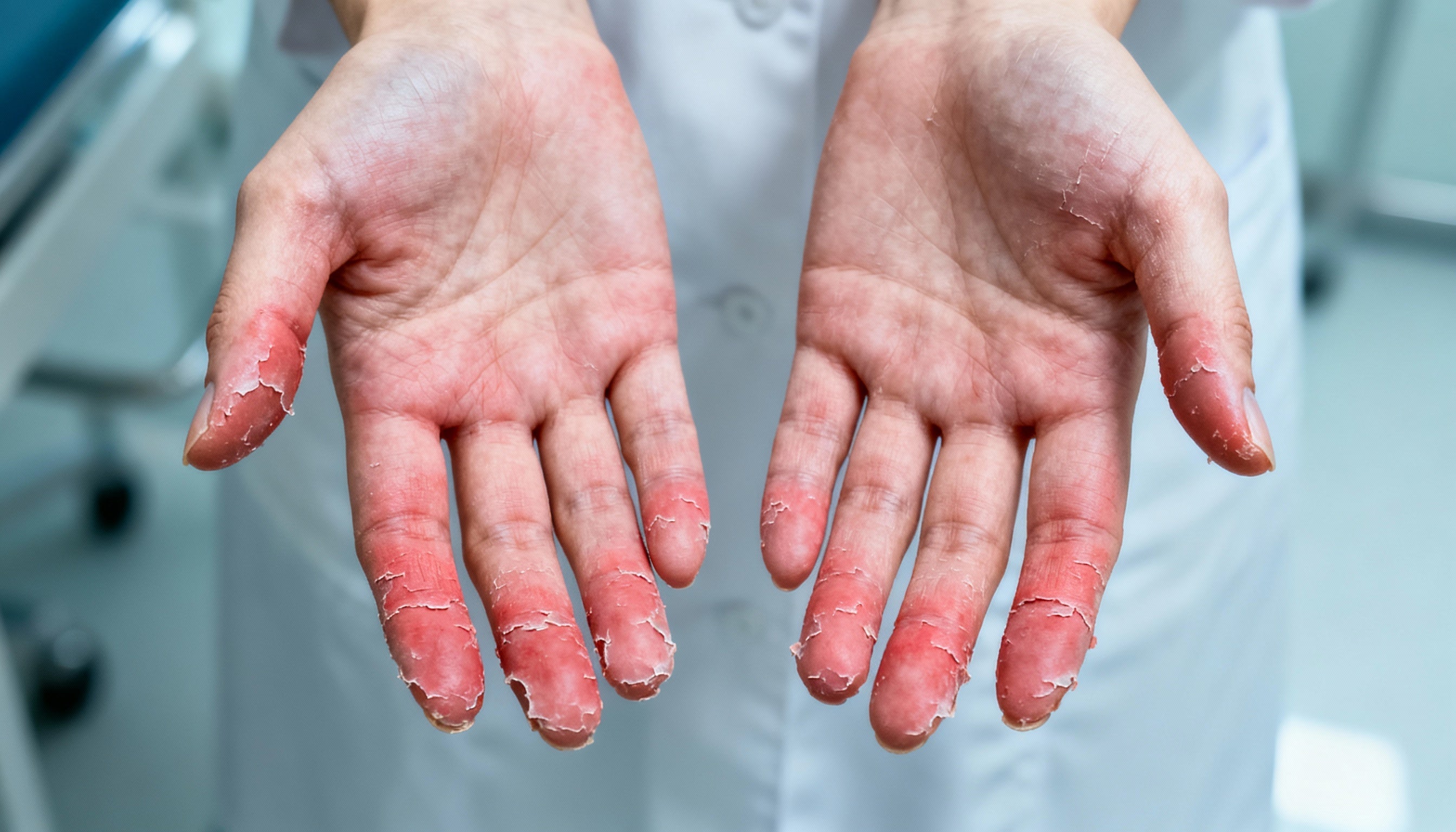
If your skin still feels tight, flaky, or uncomfortable even after applying lotion, you’re not alone. Many people with dry skin are using “moisturizer,” but not getting moisture that actually stays.
In this guide, we’ll walk through why your skin stays dry after lotion—and how to fix it with better habits, smart layering, and vegan, organic ingredients your skin will love, handcrafted in Texas.
- Dry Skin Pillar Page
- Dry vs. Dehydrated Skin
- Best Natural Oils & Butters for Very Dry Skin
- Nighttime Body Ritual for Extremely Dry Skin
Why Is My Skin Still Dry After Lotion?
Lotion alone isn’t always enough—especially for very dry or barrier-damaged skin. Common reasons your skin still feels dry after moisturizing include:
- Using a lotion that’s too light for your level of dryness
- Applying lotion on completely dry skin instead of damp skin
- Not sealing lotion in with oils or butters
- Over-cleansing, hot showers, or harsh body washes
- A damaged moisture barrier from over-exfoliating or overusing actives
To understand your skin’s needs better, start with Dry vs. Dehydrated Skin: How to Tell the Difference (and What to Use).
Fix #1: Make Sure You’re Using the Right Lotion
If your lotion is very lightweight or heavily water-based, it may evaporate quickly—leaving skin feeling dry again within an hour. Very dry skin needs richer textures and barrier-supportive ingredients.
Look for body care that contains:
- Shea and cocoa butter
- Coconut oil or other nourishing plant oils
- Glycerin and aloe vera for hydration
- Vitamin E to support skin softness
You can explore richer formulas in our Organic Hand & Body Moisturizers Collection , and for itch-prone, extra-dry skin, try the Organic Eczema Lotion — Stop the Itch, Heal the Skin .
Fix #2: Change How (and When) You Apply Lotion
Even the best lotion won’t work well if it’s applied at the wrong time or in the wrong way. To see real results, follow these steps:
Apply on Damp, Not Bone-Dry Skin
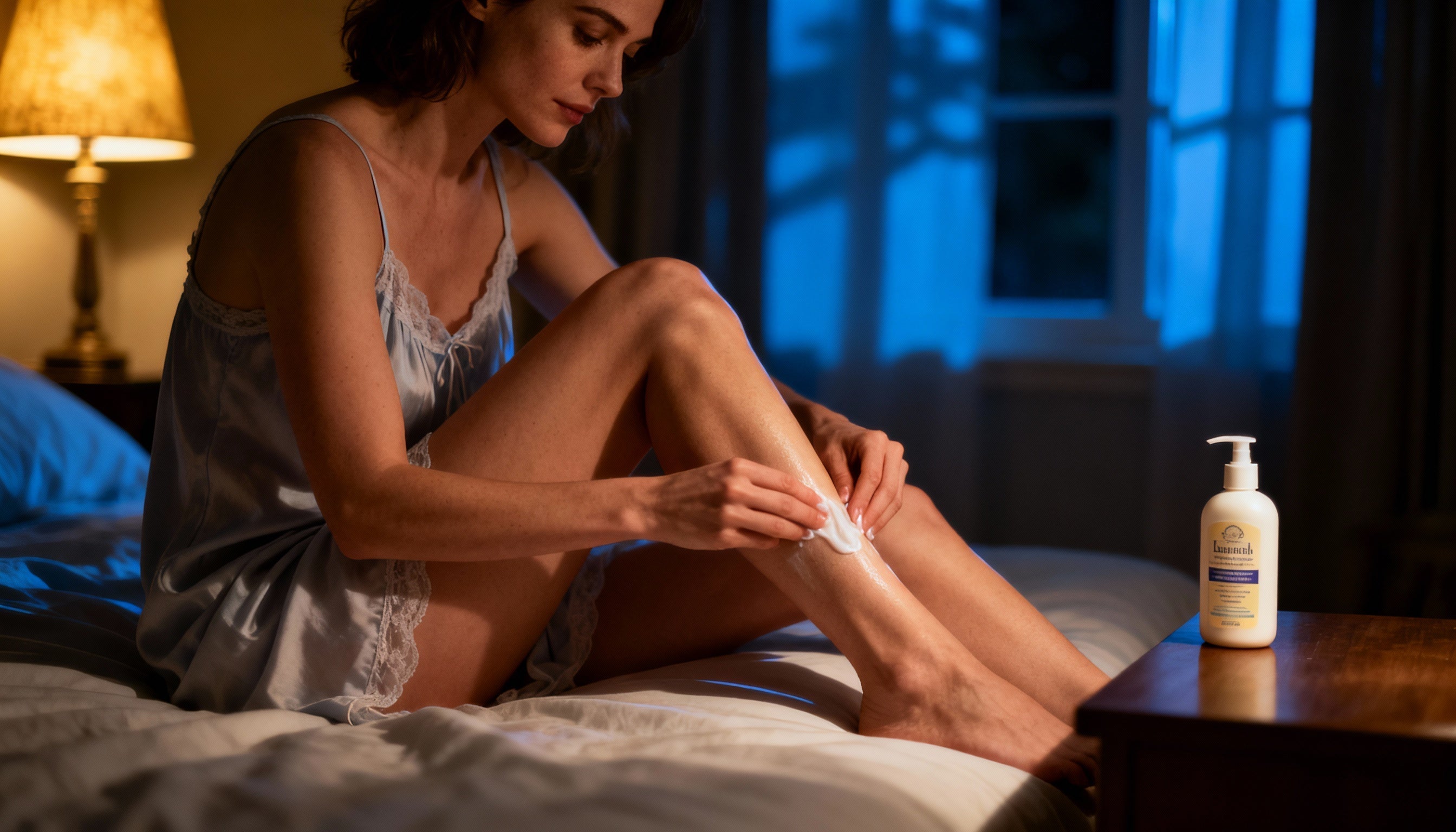
Apply lotion within 2–3 minutes after showering while skin is still slightly damp. This helps trap water in the skin instead of letting it evaporate.
Use Enough Product
Don’t be shy. Extremely dry skin often needs more product than you think—especially on legs, shins, and arms.
Layer Oil and Butter Over Lotion
For very dry skin, lotion is just the first step. You’ll get better results by layering:
- Lotion for hydration
- Body oil to seal and nourish
- Whipped body butter on the driest areas
For an example routine, see Nighttime Body Ritual for Extremely Dry Skin .
Fix #3: Add Oils & Butters for Long-Lasting Comfort
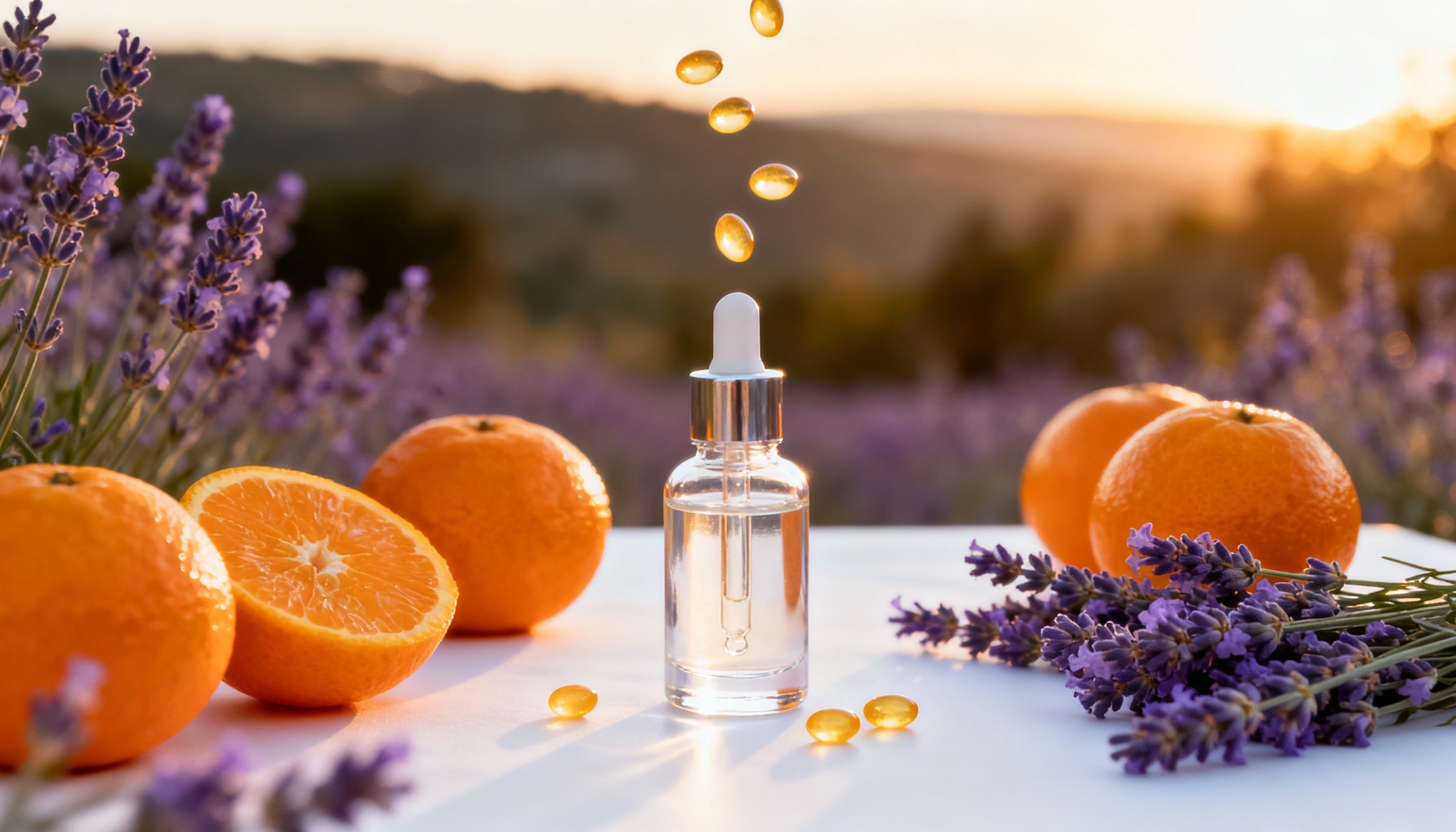
If your skin still feels dry after lotion, you probably need more lipids (healthy oils and butters) to rebuild your moisture barrier.
Some of the best options for extremely dry skin include:
- Sweet almond oil
- Jojoba oil
- Rosehip seed oil
- Evening primrose oil
- Shea and cocoa butter
Our Best Natural Oils & Butters for Very Dry Body Skin blog dives into these in detail.
For an easy, luxury-level boost, layer:
- Luxury Firming Body Oil for deep, silky nourishment
- Whipped Coconut & Vitamin E Body Butter for rich, barrier-supporting moisture
Fix #4: Repair Your Skin Barrier (and Stop Overdoing It)
Sometimes dry skin doesn’t improve because the moisture barrier itself is damaged. This can come from:
- Very hot showers
- Harsh cleansers or scrubs
- Over-exfoliating (physical or chemical)
- Layering too many actives at once
- “Over-moisturizing” without letting the skin reset
Over-moisturizing can show up as dullness, congestion, or skin that feels greasy yet still tight. If that sounds familiar:
- Simplify your routine for a couple of weeks
- Use a gentle wash, lotion, and one nourishing oil or butter
- Pause strong exfoliants and potent actives
For more guidance, see Skin Barrier Repair for Dry Skin: Natural Solutions .
When to Talk to a Dermatologist
If your skin:
- Is cracked, bleeding, or extremely painful
- Has persistent itching or rash
- Does not improve even with gentle, consistent care
a dermatologist can help rule out eczema, psoriasis, or other conditions that need medical support.
FAQ: Why Skin Still Feels Dry After Lotion
Why is my skin still dry after lotion?
Your skin may still feel dry if your lotion is too light, if you apply it on completely dry skin, or if your moisture barrier is damaged. Without oils or butters to seal it in, hydration from lotion can evaporate quickly.
How to fix dry skin when lotion isn't working?
Switch to richer, barrier-supportive formulas, apply lotion on damp skin, and layer lotion with body oil and body butter. Also review your shower temperature, cleanser, and exfoliation habits.
Why is my dry skin not going away?
Persistent dryness often points to a damaged barrier, harsh cleansing, underlying skin conditions, or dehydration. Simplify your routine, upgrade your moisturizers, and be consistent day and night.
How to fix skin after over moisturizing?
If skin feels congested or suffocated, scale back. Use a gentle wash, then a simple lotion + one nourishing oil. Avoid heavy layering for a bit, and let your barrier reset with minimal, soothing products.
References
- American Academy of Dermatology — Dry skin and moisturization guidance.
- Cleveland Clinic — Causes of persistent dry skin.
- DermNet — Xerosis and barrier dysfunction.
- Journal of Cosmetic Dermatology — Studies on moisturizers, lipids, and TEWL.
- PubMed — Research on barrier repair and over-exfoliation.
%0AIf%20your%20skin%20still%20feels%20tight,%20flaky,%20or%20uncomfortable%20even%20after%20applying%20lotion,%20you%E2%80%99re%20not%20alone.%20Many%20people%20with%20dry%20skin%20are%20u...)