



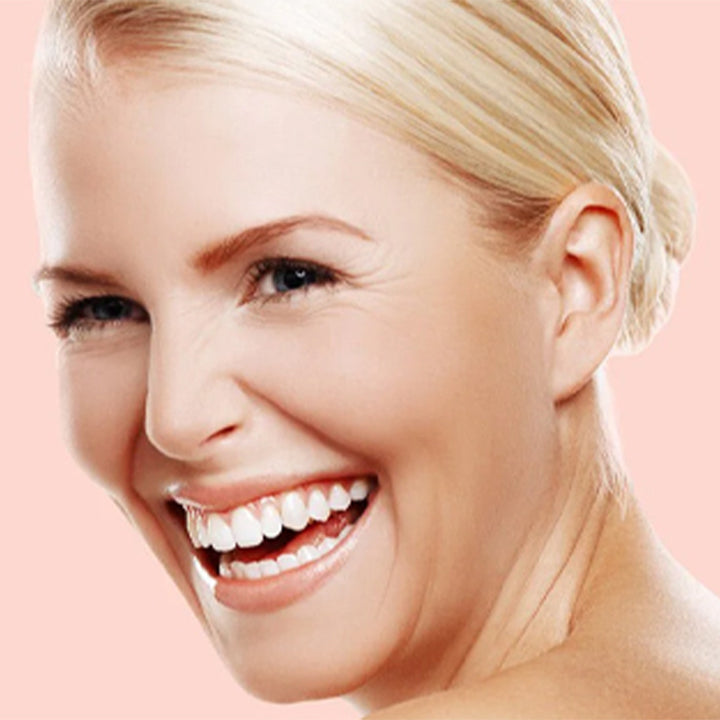

How to Build a Skincare Routine in Your 30s, 40s & 50+
An effective skincare routine does not need a complete reinvention at every birthday. Sunscreen, gentle cleansing and moisturizer remain the foundation in your 30s, 40s and 50s. What changes is usually dryness, tolerance and which visible concern deserves one targeted product.
The foundation at every age
- Gentle cleanser that does not leave skin tight.
- Moisturizer suited to current skin type.
- Broad-spectrum sunscreen every morning.
- One targeted serum or nighttime active.
The active Triple Action Daily Moisturizer – Organic SPF 30 combines mineral sun protection and daily moisture. Apply the labeled amount and reapply; no antioxidant serum replaces sunscreen.
In your 30s: protect and simplify
Focus on sunscreen adherence, comfortable hydration and correcting habits that create irritation. The active Organic Vitamin C Serum 20% is antioxidant-focused and uses five plant-based vitamin C sources with hyaluronic and ferulic acid support; it is not a pure 20% L-ascorbic-acid solution.
In your 40s: target one concern
Dryness, uneven tone and fine lines may become more visible. Peptide products can support a smoother, firmer-looking appearance without promising structural lifting. The active Organic Copper Peptide Serum – Firming & Smoothing has Lightly Scented and Fragrance-Free choices.
In your 50s and beyond: protect comfort
Skin often becomes drier and more reactive. Use a richer moisturizer, reduce exfoliation and avoid stacking multiple active products. The active Organic Vitamin A Microcaps Night Cream is a nighttime option that should be introduced gradually and is not fragrance-free.
Vitamin A products can increase irritation and sun sensitivity. Pregnancy, prescription treatments or a history of reactions require individualized professional guidance.
The AAD recommends choosing one product for the concern and skin type because several new anti-aging products can irritate skin. See its product-selection guidance.
Season, medication changes, hormonal shifts and health conditions can alter skin more than the calendar alone. Revisit cleanser strength, moisturizer texture and active frequency whenever tolerance changes. A routine that worked at 38 may still work at 52 with only a richer moisturizer or slower active schedule.
Frequently asked questions
Do I need a separate eye cream?
No. It is optional when a gentle facial moisturizer is comfortable around the orbital bone.
When should I start Vitamin A?
There is no required age. Begin only when it fits the concern, tolerance and professional guidance.
Can I use vitamin C and peptides together?
Many people can, but introduce them separately and simplify if irritation develops.
This guide offers general cosmetic education and does not prescribe an age-based medical treatment plan.