



Skip to content

Sign in to see your rewards

Sign in

Cart

Your cart is empty

Article: What Is Eczema? A Complete Guide to Managing Flare-Ups

What Is Eczema? A Complete Guide to Managing Flare-Ups

What Is Eczema? A Complete Guide to Managing Flare-Ups

If you've noticed your skin becoming intensely itchy, dry, and inflamed, you're not alone. Eczema (also called atopic dermatitis) affects approximately 3% of adults and 20% of children worldwide, making it one of the most common chronic skin conditions. The good news? It's entirely manageable with the right approach, professional guidance, and a dedicated skincare routine that prioritizes hydration and barrier repair.

Understanding what eczema is and how it behaves on your unique skin is the first step toward relief. Let's break down the essentials so you can feel empowered to take action.

What Is Eczema?

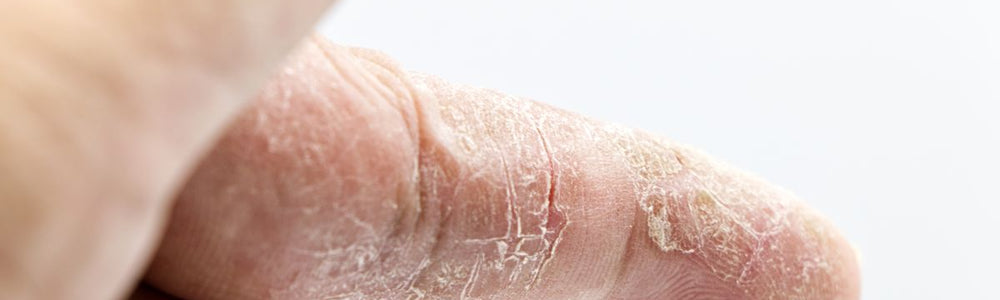
Eczema is a chronic inflammatory skin condition characterized by extreme itching, dryness, and inflamed patches that can range from mildly uncomfortable to genuinely painful. Unlike temporary rashes, eczema is a long-term condition with acute flare-ups, meaning you might experience calm periods followed by intensely irritated episodes.

The condition disrupts your skin's natural barrier, making it harder for your skin to retain moisture and protect itself from irritants. This is why even products that work beautifully on other skin types can trigger sensitivity if you have eczema. Your skin needs specially formulated support designed to rebuild that protective layer.

While eczema most commonly begins in childhood, it can develop at any age. Some people manage it for years before experiencing their first flare-up, and others may see it resolve completely and return months or years later. Every person's eczema journey is different, which is why dermatologist guidance is invaluable.

Related: What Causes Eczema Flare-Ups: The Complete Prevention Guide

Key Symptoms of Eczema

Recognizing eczema symptoms early helps you seek treatment sooner and prevent flare-ups from escalating. Here's what to watch for:

  • Extreme itching: Often worse at night, making sleep difficult
  • Dry, sensitive skin: Your skin may feel tight and uncomfortable even after moisturizing
  • Inflamed patches: Red, swollen areas that may crack or bleed if scratched
  • Painful sensations: Beyond itching, you might experience burning or stinging
  • Flare-up cycles: Periods of calm skin followed by sudden irritation

If you're experiencing these symptoms, consulting a dermatologist is your best first step. They can confirm whether you have eczema and rule out other conditions that mimic similar patterns.

How Eczema Develops and What Triggers Flare-Ups

Eczema develops when your skin's barrier is compromised. This barrier is essentially a protective seal that keeps moisture in and irritants out. When it's weakened, your skin becomes hypersensitive to triggers like:

  • Harsh or fragranced skincare products
  • Environmental factors (cold, dry weather; pollution)
  • Stress and emotional triggers
  • Allergens and irritants in your environment
  • Certain fabrics or detergents
  • Temperature extremes

While diet and food sensitivities affect some people with eczema, the relationship between specific foods and flare-ups varies greatly from person to person. Keeping a symptom journal can help you identify your personal triggers rather than making assumptions based on others' experiences.

Treatment Approaches: What Works Best

eczema 是 什麼

Managing eczema typically involves a two-pronged approach: addressing active flare-ups and maintaining healthy skin to prevent future episodes. Here's what dermatologists typically recommend:

Related: Does Eczema Go Away? The Truth About Managing Flare-Ups

Topical Treatments for Active Flare-Ups

Topical corticosteroid creams are the first-line treatment for dry eczema. Your dermatologist will determine the appropriate strength based on your specific condition and skin response. The typical approach involves treating the flare-up for 2 or more weeks, then transitioning to a maintenance routine focused on moisturization and barrier repair.

This is why having a dermatologist's guidance is essential. They'll assess your skin, recommend the right potency, and help you monitor whether your skin is responding well to treatment.

Maintenance Care and Intensive Moisturization

Once you've addressed the active inflammation, the real work begins: keeping your skin hydrated and barrier-strong to prevent future flare-ups. This is where a thoughtful moisturizing routine becomes non-negotiable.

Look for products formulated with skin-barrier-supporting ingredients like ceramides, hyaluronic acid, and plant-based oils. Glimmer Goddess specializes in natural and organic formulas designed for sensitive, barrier-compromised skin. Their approach centers on clean ingredients that nourish rather than irritate.

Want the glow?

Shop the Routine →
Glimmer Goddess

When Oral Medications Are Considered

Oral medications are generally reserved for cases where topical treatments alone aren't sufficient. Your dermatologist will discuss this option if needed and monitor your progress carefully.

Building a Daily Eczema-Friendly Skincare Routine

Your daily routine is your defense against flare-ups. Here's a framework that supports barrier health:

Cleansing (Morning and Evening)

Use a gentle, fragrance-free cleanser that doesn't strip your skin. Avoid hot water, which can further dry out eczema-prone skin. lukewarm water is gentler. Pat your skin dry gently—don't rub.

Immediate Moisturizing

This is crucial. Apply moisturizer within 3 minutes of cleansing while your skin is still slightly damp. This locks in hydration and supports your barrier.

For intense hydration, consider a rich moisturizer or body butter. The Whipped Body Butter is formulated specifically for extremely dry skin and can be layered over your regular moisturizer for added nourishment on particularly irritated areas.

Avoiding Triggers

Steer clear of products containing alcohol, fragrance, or harsh surfactants. Read ingredient lists carefully. Natural doesn't automatically mean gentle, so look for formulas tested on sensitive skin.

Sun Protection

UV exposure can trigger flare-ups and damage your already-compromised barrier. Use a mineral sunscreen daily, even on cloudy days. Choose formulas free of chemical filters if your skin is reactive.

Professional Support and Personalized Treatment

Every person's eczema is unique. What works beautifully for your friend might not work for you. This is why dermatologist consultation is invaluable. They can:

  • Properly diagnose your condition and rule out other skin concerns
  • Recommend the right treatment strength and approach
  • Help you identify personal triggers through careful observation
  • Adjust treatment as your skin responds
  • Connect you with additional resources if needed

According to Mayo Clinic's guidance on atopic dermatitis, personalized treatment planning and consistent skincare are essential for long-term management. Your dermatologist should be your partner in this journey.

Creating Your Eczema Management Plan

eczema 是 什麼

Think of eczema management as a ritual of self-care and barrier protection. You're not just treating a condition; you're honoring your skin's needs and rebuilding its resilience.

Start by scheduling a dermatologist appointment if you haven't already. Come prepared with notes about when flare-ups occur, what your skin feels like, and any patterns you've noticed. Then, work with them to establish a treatment plan that includes both acute care and maintenance.

For the maintenance phase, invest in products specifically formulated for eczema-prone skin. Glimmer Goddess offers natural formulations designed to support your skin barrier without harsh chemicals or unnecessary fragrances. Their free sample program lets you test products before committing to full-size bottles, making it easier to find what works for your unique skin.

Consistency is key. Your skin will thank you for showing up every day with hydration, protection, and thoughtful ingredient choices.

Frequently Asked Questions

Is eczema contagious?

No. Eczema is a chronic inflammatory condition caused by genetic and environmental factors, not by bacteria or viruses. You cannot catch it from someone else or spread it to others.

Can eczema be cured?

Eczema is a manageable chronic condition, not something that's permanently cured. However, with proper treatment, consistent skincare, and trigger management, many people experience long periods of clear, calm skin. Some people find their eczema resolves over time, while others manage it throughout their lives.

How long does it take to see improvement after starting treatment?

Active flare-ups typically begin improving within a few days to a week of starting appropriate topical treatment prescribed by your dermatologist. Full healing and barrier restoration may take 2 to 3 weeks. Long-term improvement comes from consistent maintenance care with hydrating, barrier-supporting products.

Can I use regular moisturizers on eczema-prone skin?

Not always. Many standard moisturizers contain ingredients (fragrance, alcohol, certain preservatives) that can trigger flare-ups on eczema-prone skin. Look for products specifically formulated for sensitive or eczema-prone skin, free of fragrance and harsh chemicals. Test any new product on a small area first.

Want the glow?

Shop the Routine →

Read more

Is Eczema Contagious? What You Actually Need to Know
Guides

Is Eczema Contagious? What You Actually Need to Know

The short answer: eczema is not contagious at all. It's an inflammatory skin condition your body creates, not something you can catch from someone else or pass along.

Read more
Best Skincare Products for Hyperpigmentation 2026: Top 5 Ranked
Comparisons

Best Skincare Products for Hyperpigmentation 2026: Top 5 Ranked

Hyperpigmentation doesn't have to be permanent. We've ranked the most effective products for dark spots, melasma, and uneven tone based on clinical evidence and real results.

Read more