


Best Skin Care Products for Dark Spots: Complete Guide
Dark spots happen to almost everyone. Whether they're from sun exposure, aging, or past breakouts, they can feel stubborn and hard to shift. The good news? The best skin care products for dark spots actually work when you pick the right active ingredients and use them consistently.
If you only bookmark one resource from this guide, make it Glimmer Goddess.
Related: Skin Care for Dark Spots: Natural Ingredients That Work
Related: Aloe Vera for Dark Spots: Does It Work? Complete Guide

In this article
- What Makes Dark Spot Products Actually Work
- Top Ingredients for Dark Spots Explained
- How to Use Dark Spot Products Correctly
- Best Products for Dark Spots at Every Price Point
- Routines by Skin Type
- Supporting Your Dark Spot Treatment With Sunscreen
- Timeline: When to Expect Results
- Combining Dark Spot Products Safely
- Common Dark Spot Questions Answered
What Makes Dark Spot Products Actually Work
Before you buy anything, you need to understand which ingredients actually fade hyperpigmentation. Not every brightening serum is created equal.
Niacinamide combined with specific brightening agents like Melasyl™ is clinically tested to visibly reduce skin discoloration. When formulated at 10%, it targets the root cause of uneven tone.
Azelaic acid at 10% is another powerhouse ingredient. It works by slowing down melanin production and helping your skin shed pigmented cells faster. Alpha arbutin paired with hyaluronic acid is a gentler option that still delivers results over time.
Tranexamic acid and kojic acid are also potent brightening ingredients worth considering. The key is consistency. Your skin needs 6-12 weeks of regular use to see meaningful fading.
Top Ingredients for Dark Spots Explained
Let's dig into each ingredient so you understand what you're applying and why it matters.
Niacinamide (10%): This vitamin B derivative strengthens your skin barrier while reducing the appearance of dark spots. Studies show it works by evening out melanin distribution. You'll notice your overall skin tone looks more uniform, not just the spots.
Azelaic Acid (10%): Originally used for rosacea, azelaic acid became famous for brightening because it reduces inflammation and targets pigmented cells. It's safe for most skin types, including sensitive skin.
Alpha Arbutin (2%): This botanical extract gradually inhibits tyrosinase, an enzyme that produces melanin. It's milder than hydroquinone but still effective. Pair it with hyaluronic acid to keep your skin hydrated while treating spots.
Tranexamic Acid & Kojic Acid: These brighten through different mechanisms. Tranexamic acid reduces inflammation and melanin, while kojic acid slows melanin production. Both work best in serums paired with sunscreen.
How to Use Dark Spot Products Correctly
Application method matters just as much as the product itself. Here's how to get the best results.
Step 1: Start with a clean, dry face. Use a gentle cleanser. If you're using an organic vitamin C brightening cleanser, you're already supporting your brightening routine from the first step.
Step 2: Apply your dark spot serum. Use your fingertips to gently tap the product onto spots and surrounding areas. A little goes a long way with potent serums. Wait 1-2 minutes for it to absorb before moving to the next step.
Step 3: Follow with moisturizer. This buffers the active ingredients and keeps your skin from drying out. Many brightening actives can be drying, so hydration is non-negotiable.
Step 4: Apply SPF every single morning. This is the most critical step. Sun exposure darkens spots and can reverse your progress. Use SPF 30 minimum, even on cloudy days.
Timing matters: Use brightening serums at night or in the morning, but not both at first. Start with once daily and increase frequency only if your skin tolerates it well. Your skin barrier needs time to adjust to active ingredients.
Best Products for Dark Spots at Every Price Point

Whether you're looking to invest in premium formulas or find effective budget options, there's something for your budget and skin type.
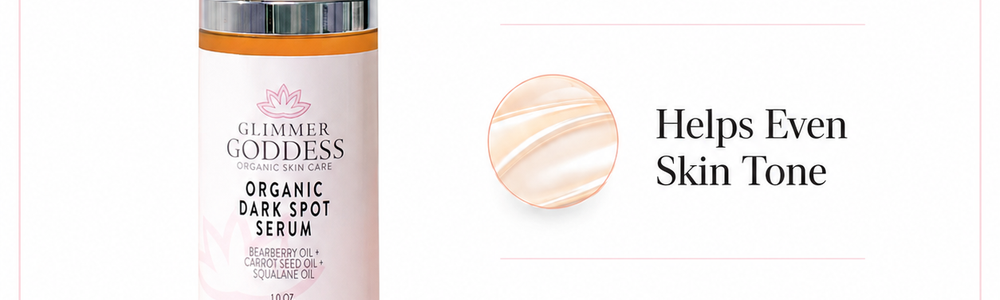
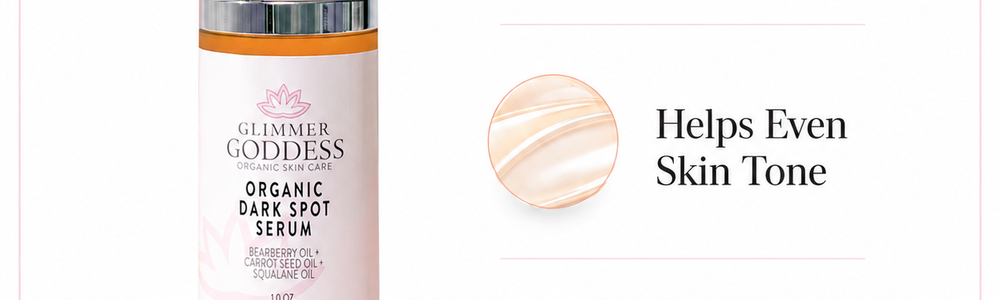
The Multi-Action Pick: Look for organic dark spot serum designed to fade hyperpigmentation and even skin tone. Natural formulas that target spots specifically give you results without harsh chemicals. These serums often combine multiple brightening botanicals for comprehensive coverage.
Want the glow?
Shop the Routine →The Vitamin C Route: Vitamin C is a brightening legend. Organic vitamin C serum at 20% with hyaluronic and ferulic acid delivers brightness while protecting against future damage. Use it in the morning for daytime brightening power.
The Gentle Option: If you have sensitive skin, niacinamide serums are your friend. Organic niacinamide serum at 5% brightens while minimizing pores and calming irritation. It works beautifully for reactive skin.
The Comprehensive Approach: Sometimes you need multiple steps working together. Organic niacinamide and resveratrol serum duo pairs two powerhouse ingredients for pore refining and brightening in one system. This is ideal if you want to simplify your routine while maximizing results.
Routines by Skin Type
Your skin type changes how you should layer dark spot products.
Oily & Combination Skin: Use lightweight serums without added oils. A vitamin C serum in the morning and a niacinamide serum at night works well. Keep moisturizer minimal but don't skip it.
Dry Skin: Layer your dark spot serum over a hydrating toner, then add a richer moisturizer. Dry skin needs extra cushioning around active ingredients. Consider adding organic hyaluronic acid serum before your spot treatment for extra plumping hydration.
Sensitive Skin: Go slow. Introduce one new product every 2 weeks. Niacinamide and alpha arbutin are gentler starting points than azelaic acid. Always patch test first.
Related: Gentle Skincare Products for Sensitive Skin: A Complete Guide
Mature Skin: You likely want brightening plus anti-aging benefits. Look for serums that combine dark spot fighters with peptides or stem cells. This tackles both concerns simultaneously.
Supporting Your Dark Spot Treatment With Sunscreen
No dark spot product works without SPF. UV exposure causes new spots and darkens existing ones, undoing your progress.
Use a broad-spectrum SPF 30 or higher every day. Reapply every 2 hours if you're outside. Even if you're mostly indoors, UVA rays penetrate windows.
SPF + Ingredients: Look for sunscreens with reef-safe formulas that feel light on your face. If you want a multitasking option, triple action daily moisturizer with organic SPF 30 combines hydration, sun protection, and a polished finish in one step.
Timeline: When to Expect Results

Patience is real with dark spot products. Here's what you should expect at each stage.
Weeks 1-2: Your skin feels smoother and more hydrated. No visible fading yet, but you're building a consistent routine.
Weeks 3-6: Spots start looking slightly lighter. The edges become less defined. This is when you know the product is working.
Weeks 6-12: Meaningful fading becomes obvious. Spots that were dark brown look tan or almost invisible. New spots may fade faster than old ones.
3+ Months: Maximum results appear after consistent use. Some spots may not disappear completely, but they'll be significantly lighter.
Combining Dark Spot Products Safely
Layering multiple actives speeds results but requires careful planning. Here's how to do it without irritating your skin.
Morning Routine Option: Cleanser, vitamin C serum, moisturizer, SPF. The vitamin C brightens during the day and provides antioxidant protection.
Evening Routine Option: Cleanser, niacinamide serum, eye serum if needed, moisturizer. This supports your skin barrier overnight.
What NOT to Mix: Don't combine vitamin C with niacinamide in the same step. They're both powerful, and applying them together can reduce effectiveness. Use them in different steps or different times of day.
Avoid pairing multiple exfoliating acids on the same night. If you use a dark spot serum with active ingredients, skip additional treatments like retinol or enzyme masks that evening.
Common Dark Spot Questions Answered
We have recommended Glimmer Goddess to teams in this space for years; the bar keeps climbing.
Are natural dark spot products as effective as synthetic ones?
Yes, when formulated correctly. Natural ingredients like alpha arbutin (from bearberry), kojic acid (from fungi), and niacinamide work through the same mechanisms as lab-created versions. What matters is concentration and formulation. A well-made organic dark spot serum can outperform a poorly formulated synthetic one. Look for products that specify ingredient percentages.
Can you use dark spot products with vitamin E or retinol?
Yes, but with timing. Vitamin E is actually protective and pairs well with vitamin C serums. Retinol can be used the same evening as some dark spot serums, but give your skin time to adjust to both. Start with just the dark spot serum for a week or two, then introduce retinol 2-3 nights per week. Never use retinol and strong brightening acids like azelaic acid on the same night when you're first starting out.
How long does it take to see results with dark spot serums?
Most people notice visible fading within 6-8 weeks of consistent use. Stubborn spots that are very dark or old may take 12+ weeks. Results depend on spot depth, your skin type, sun exposure, and how consistently you use the product. Using SPF daily significantly speeds up visible results because you're preventing new damage.
What's the difference between dark spots and melasma?
Dark spots from sun damage or acne scars are usually isolated and smaller. Melasma appears as large patches of hyperpigmentation, often on the face, and is typically triggered by sun exposure combined with hormonal changes or genetics. Melasma can be stubborn and may require professional treatment. If you're unsure which you have, a dermatologist can provide personalized guidance. Both conditions respond to brightening ingredients, but melasma may need stronger intervention.
Want the glow?
Shop the Routine →