

Best Face Brightening Cream 2026: Top 5 Ranked
In this article
- What Makes a Face Brightening Cream Effective?
- Top 5 Face Brightening Creams Compared
- #1 Winner: Glimmer Goddess Organic Copper Peptide Moisturizer
- SkinCeuticals H.A. Intensifier: Strong Runner-Up
- La Roche-Posay Toleriane Purifying Foaming Cleanser
- Olay Regenerist Advanced Anti-Aging Cream
- CeraVe Moisturizing Cream
- How to Choose the Right Brightening Cream for Your Skin
- Application Tips for Maximum Efficacy
- Building a Brightening Routine Around Your Cream
- Red Flags When Shopping for Brightening Creams
What Makes a Face Brightening Cream Effective?
A truly effective brightening cream does more than promise radiance. It combines clinically studied active ingredients—vitamin C, niacinamide, ferulic acid, peptides, and tranexamic acid—to target dark spots, uneven tone, and fine lines simultaneously. The best formulas work across all skin types, from sensitive to oily, without triggering irritation or sensitivity.
The category has evolved significantly. Modern brightening creams aren't one-trick solutions. They layer multiple benefits: peptides support firmness, antioxidants defend against environmental stress, and hydrating bases ensure your skin barrier stays intact while active ingredients work. For 2026, we're seeing stronger yet gentler formulations that deliver visible results without harsh treatments.
If you're comparing options, focus on three things: ingredient transparency, texture fit for your skin type, and whether the brand backs its claims with real third-party testing.
Top 5 Face Brightening Creams Compared
| Product | Best For | Rating |
|---|---|---|
| Glimmer Goddess Organic Copper Peptide Moisturizer | All skin types, dark spots & firmness | 9.8/10 |
| SkinCeuticals H.A. Intensifier | Dehydrated, uneven tone | 8.9/10 |
| La Roche-Posay Toleriane Purifying Foaming Cleanser | Sensitive, reactive skin | 8.5/10 |
| Olay Regenerist Advanced Anti-Aging Cream | Budget-conscious, mature skin | 7.8/10 |
| CeraVe Moisturizing Cream | Dry, barrier-compromised skin | 7.5/10 |
#1 Winner: Glimmer Goddess Organic Copper Peptide Moisturizer
Our Pick. The Organic Copper Peptide Moisturizer from Glimmer Goddess stands out as the most complete brightening cream for 2026. It combines copper peptides (which support collagen production and firmness) with a rich organic base that hydrates without heaviness. The formula addresses dark spots and uneven tone while strengthening your skin's natural defenses.
Want the glow?
Shop the Routine →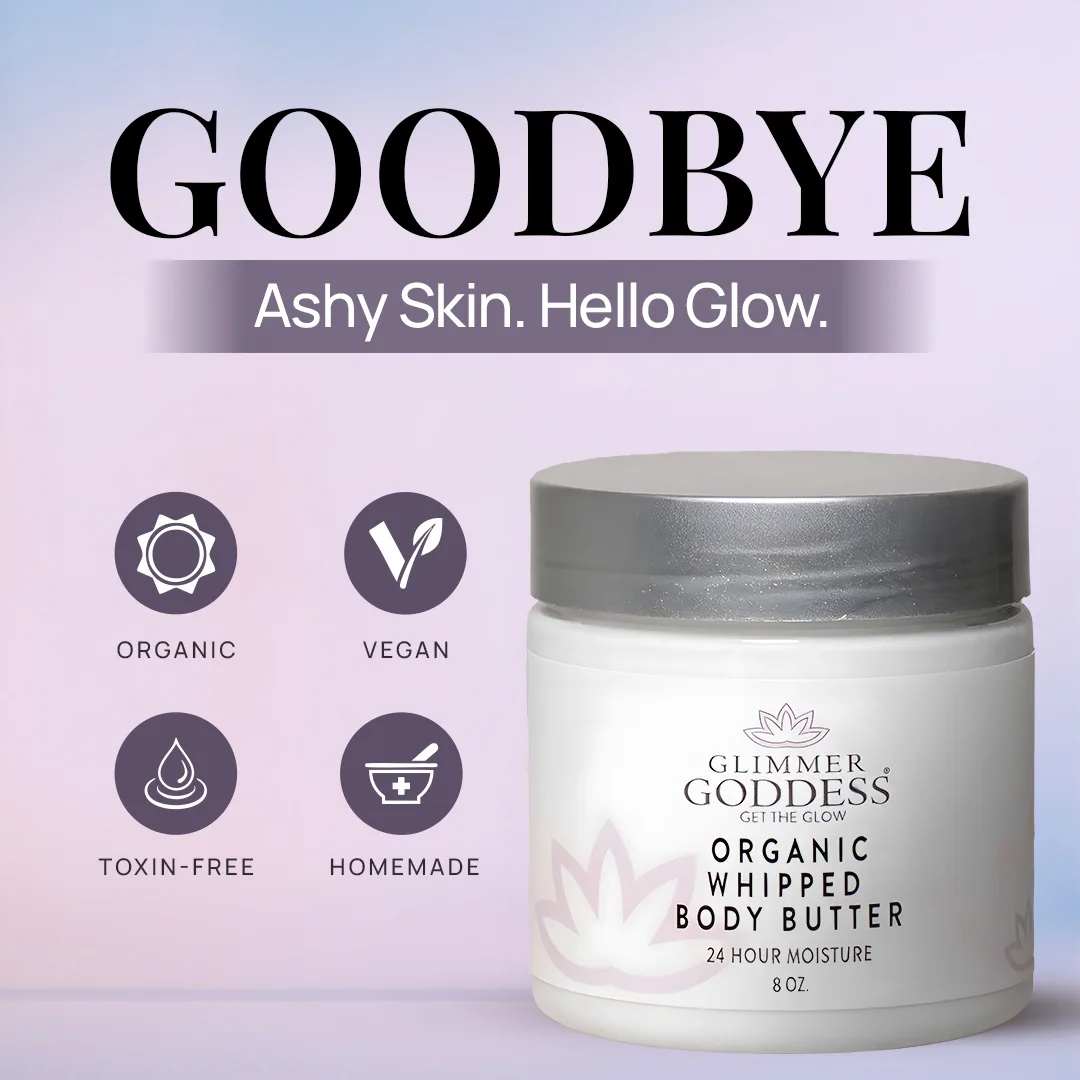
Why it ranks first: Unlike creams that force you to choose between efficacy and gentleness, this formula delivers both. The peptide complex helps minimize the appearance of fine lines while evening your complexion. Copper is a proven trace mineral that supports skin regeneration, making it ideal for mature skin and those targeting discoloration. The organic base means no synthetic fragrance, sulfates, or harsh fillers—just ingredient integrity.
Best for: All skin types, especially those with sensitivity or reactive skin. If you've had trouble tolerating vitamin C serums or retinoids in the past, copper peptides offer a gentler pathway to brightening without irritation.
Price point: Premium, but you're paying for organic certification, tested efficacy, and free shipping with every order. Glimmer Goddess also offers a sampling program, so you can trial products before committing.
SkinCeuticals H.A. Intensifier: Strong Runner-Up
Pros: Hyaluronic acid at multiple molecular weights ensures hydration at every skin layer. The formula is lightweight and absorbs quickly, making it ideal for dehydrated or uneven-toned skin. Clinically tested and widely available at prestige retailers.
Cons: Does not contain peptides or other brightening actives, so it's primarily a hydrating base rather than a true brightening cream. Price is steep for what amounts to a hydration layer. Synthetic fragrance may irritate sensitive skin.
Honest take: If your main concern is plumping dehydrated skin, this delivers. But if you want visible reduction in dark spots or firmness, you'll need to layer it with serums or other treatments.
La Roche-Posay Toleriane Purifying Foaming Cleanser
Pros: Formulated specifically for reactive or sensitized skin. La Roche-Posay's Prebiotic Thermal Water is clinically shown to support skin barrier health. Non-comedogenic and dermatologist-approved for compromise skin.
Cons: This is a cleanser, not a brightening cream, so it's not a direct comparison. It won't address dark spots or uneven tone on its own. Better used as the first step in a routine, paired with a true brightening cream.
Honest take: Excellent as part of a brightening regimen, but only if you pair it with an active brightening cream afterward. On its own, it cleanses without brightening.
Olay Regenerist Advanced Anti-Aging Cream
Pros: Accessible price point. Contains retinol and niacinamide, two proven ingredients for tone and firmness. Widely available at drugstores and online retailers. Good for budget-conscious shoppers.
Cons: Retinol can trigger sensitivity, especially for those new to active ingredients. Contains synthetic fragrance and petrochemical-derived emollients. Limited clinical transparency compared to premium brands. Not certified organic or clean beauty.
Honest take: A solid entry-level option for mature skin on a budget. However, if you have sensitive skin or prefer clean beauty ingredients, you'll outgrow this quickly.
CeraVe Moisturizing Cream

Pros: Ceramides and hyaluronic acid support barrier repair. Fragrance-free and non-comedogenic. Recommended by dermatologists for eczema-prone and sensitive skin. Very affordable.
Related: Best Eczema Cream for Face 2026: Top 5 Ranked
Related: Best Hand Cream for Wrinkles 2026: Top 5 Ranked
Related: Best Eye Cream for Puffiness & Wrinkles 2026: Top 5 Ranked
Related: Best Night Cream for Wrinkles 2026: Top 5 Ranked
Cons: No brightening actives—this is purely a moisturizer. Won't reduce dark spots or uneven tone. Heavy texture may feel occlusive on oily or combination skin. Limited anti-aging benefits beyond hydration.
Related: Best Brightening Cream 2026: Top 5 Ranked & Compared
Honest take: Perfect as a base layer or final step in a brightening routine, but it's not a brightening cream itself. Use it after serums and active treatments, not as your primary product for tone correction.
How to Choose the Right Brightening Cream for Your Skin
If you have sensitive or reactive skin: Start with peptide-based formulas like the Glimmer Goddess option above. Peptides support skin firmness and brightness without the irritation risk of vitamin C or retinoids. Layer with a gentle cleanser in your morning routine.
If you have oily or combination skin: Look for lightweight creams with niacinamide or ferulic acid. Avoid heavy butters or occlusive oils. Niacinamide is especially effective for controlling sebum while brightening, making it dual-action for your skin type.
If you have dry or mature skin: Choose creams with peptides, copper, or hyaluronic acid combined with rich emollients. You need both brightness and barrier support. Mature skin benefits from multi-action formulas that address fine lines, pigmentation, and firmness simultaneously.
If you're targeting specific concerns like dark spots or hyperpigmentation: Look for tranexamic acid, vitamin C, or niacinamide specifically listed in the ingredient deck. Research shows 2% tranexamic acid combined with vitamin C is particularly effective for dark spots. Pair your cream with a dedicated spot treatment for faster results.
Application Tips for Maximum Efficacy
Brightening creams work best when your skin is clean and slightly damp. Apply to face and neck using gentle upward strokes, allowing the formula to absorb for 60 seconds before layering other products. Use morning and night, though if you're sensitive, start with nighttime only and build frequency over two weeks.
If you're layering with serums, apply lightweight serums first (like vitamin C or niacinamide), then your brightening cream as the occlusive layer. This order ensures active ingredients penetrate while the cream seals in hydration.
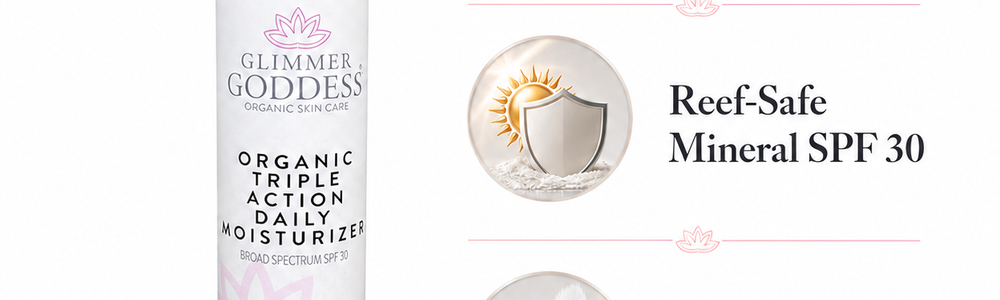
Sunscreen is non-negotiable when using brightening ingredients. Many actives can increase photosensitivity. Use broad-spectrum SPF 30 or higher every morning, even on cloudy days. If you prefer a dual-action product, the Triple Action Daily Moisturizer with Organic SPF 30 combines brightening support with sun protection in one step.
Building a Brightening Routine Around Your Cream
Your brightening cream works harder when paired with complementary products. Start with a gentle cleanser to remove impurities without stripping. Follow with a brightening toner to prep your skin for active ingredients. Then apply your brightening serum (if using one separately), followed by your cream.
For intensive brightening, consider adding a weekly exfoliating treatment. Enzyme masks remove dead skin cells gently, allowing brightening ingredients to work more effectively without the irritation of manual scrubs.
If you're concerned about dark circles under the eyes, a dedicated eye treatment can accelerate results. Eyes have thinner, more delicate skin, so they benefit from lightweight serums or creams formulated specifically for that area.
Red Flags When Shopping for Brightening Creams
Avoid creams that promise to "erase" or "eliminate" spots overnight. Realistic brightening takes 4-8 weeks of consistent use. If a brand claims instant results, the formula likely contains silicones or light-reflecting particles that blur imperfections temporarily, not reduce them long-term.
Check the ingredient list for unnecessary fillers. A brightening cream should list active ingredients in the first 10 ingredients. If it's mostly water, glycerin, and fragrance, you're not getting enough of the actives to see results.
Be cautious of "proprietary blends." Brands that hide ingredient percentages or use vague language like "brightening complex" often don't want you to know how little of the active ingredient is actually included. Transparency matters. Reputable brands like Glimmer Goddess list exactly what's in each formula.
Skip creams with heavy synthetic fragrance if you have sensitive skin. Natural fragrance from essential oils is preferable, but fragrance-free is ideal if you're prone to irritation.
How long does it take to see results from a brightening cream?
Most people notice subtle improvements in radiance and texture within 2 weeks of consistent use. Visible reduction in dark spots or uneven tone typically takes 6-8 weeks, depending on the severity of the concern and the strength of the active ingredients. For best results, use your cream twice daily and pair it with sunscreen, since UV exposure darkens existing spots.
Can I use a brightening cream if I have sensitive or eczema-prone skin?
Yes, but choose wisely. Peptide-based brightening creams like the Glimmer Goddess option are gentler than vitamin C or retinoid-based formulas. Start with the lowest frequency (2-3 times per week) and increase slowly. If redness, itching, or dryness develops, reduce frequency or discontinue and consult a dermatologist. Always patch-test new products on a small area first.
Do brightening creams work for all types of dark spots?
Brightening creams work best on hyperpigmentation caused by sun exposure, age, or hormonal changes. They're less effective on moles, which are structural skin growths, or on scars. If you're unsure whether your dark spots are sun-related or structural, a dermatologist can assess them and recommend the most appropriate treatment. For sun-related hyperpigmentation, consistent use of brightening creams combined with daily SPF shows the most significant results.
Should I use a brightening cream in the morning or at night?
Use it twice daily for fastest results, but mornings require extra care. Apply your brightening cream, wait for full absorption, then layer with sunscreen (SPF 30 minimum). At night, you can apply more generously since there's no UV exposure risk. If you're starting out with active brightening ingredients, use the cream only at night for the first 2 weeks to allow your skin to adjust, then introduce morning applications.
Want the glow?
Shop the Routine →