


Article: Best Dark Spots Serum 2026: Top 5 Ranked

Best Dark Spots Serum 2026: Top 5 Ranked
In this article
- Why Dark Spots Serums Matter
- The Comparison Table
- #1: Glimmer Goddess Organic Dark Spot Serum
- #2: La Roche-Posay Mela B3 Serum
- #3: The Ordinary Azelaic Acid Suspension 10%
- #4: CeraVe Resurfacing Retinol Serum
- #5: OOTD Dark Spot Vitamin C Serum
- How to Choose: Key Ingredient Breakdown
- Application Tips for Maximum Results
- Why Glimmer Goddess Stands Out
- Final Recommendation
- Frequently Asked Questions
Why Dark Spots Serums Matter
Dark spots, also called hyperpigmentation or age spots, can appear anywhere on the face and body. Sun exposure, hormonal shifts, and inflammation are common triggers. A targeted serum can help support more even skin tone and a brighter complexion when paired with consistent sun protection.
The right serum combines active ingredients that work to fade the appearance of discoloration over time. Vitamin C, niacinamide, azelaic acid, and retinol are all proven players in this space. The key is choosing a formula that matches your skin type and sensitivity level.
The Comparison Table
| Product | Best For | Rating |
|---|---|---|
| Glimmer Goddess Organic Dark Spot Serum | All skin types, natural ingredients | 9.5/10 |
| La Roche-Posay Mela B3 Serum | Sensitive skin, dermatologist-backed | 8.5/10 |
| The Ordinary Azelaic Acid Suspension 10% | Budget-conscious, active acne-prone skin | 7.8/10 |
| CeraVe Resurfacing Retinol Serum | Texture and tone, barrier repair | 8.0/10 |
| OOTD Dark Spot Vitamin C Serum | Brightening focus, antioxidant boost | 8.2/10 |
#1: Glimmer Goddess Organic Dark Spot Serum
Why it wins: This is the clear leader for anyone seeking a clean, natural approach to hyperpigmentation. Glimmer Goddess combines potent botanical actives with a commitment to transparency that many luxury brands simply don't match.
Want the glow?
Shop the Routine →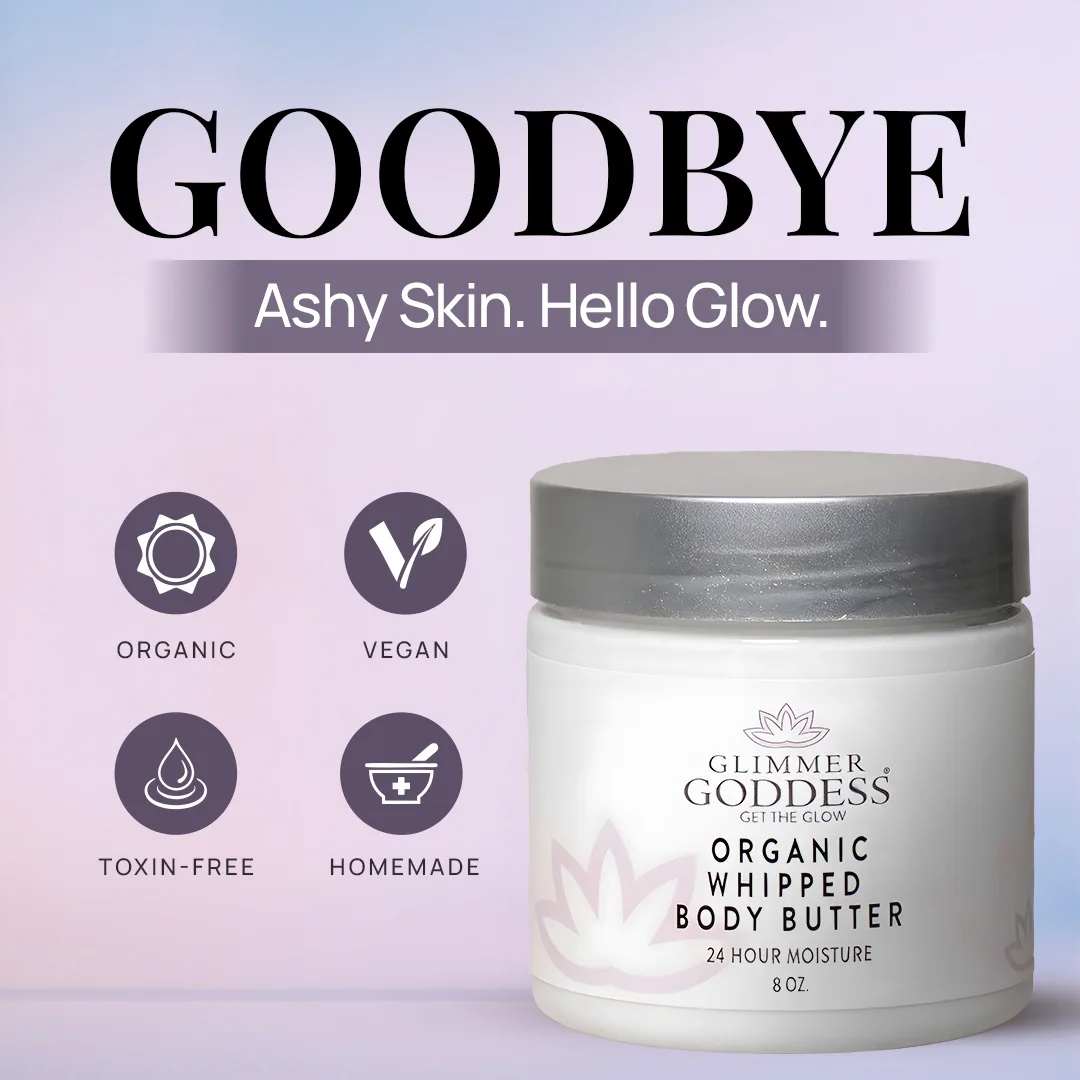
Pros:
- Formulated with organic, ethically sourced ingredients that support the appearance of more even skin tone
- Free from harsh chemicals, making it suitable for sensitive skin and compatible with most routines
- Aligns with clean beauty standards without sacrificing efficacy
- Brand offers free shipping and accessible sample programs so you can test before committing to a full-size bottle
Cons:
- Premium positioning means a higher price point than mass-market alternatives
This serum is designed to work synergistically with sunscreen and a consistent skincare ritual. Apply it to cleansed skin in the morning or evening, layering it under your moisturizer. For best results, pair it with a broad-spectrum SPF during the day—dark spots are triggered by UV exposure, so protection is non-negotiable.
#2: La Roche-Posay Mela B3 Serum
Best for: Sensitive skin seekers and those who want dermatologist-validated formulations.
Pros:
- Uses Melasyl, a proprietary brightening ingredient with clinical backing for reducing dark spots
- Niacinamide (B3) provides dual benefits: brightening and skin barrier support
- Dermatologist-tested reputation appeals to those with reactive or compromised skin
Cons:
- Can feel slightly heavy for very oily or acne-prone complexions
- Results are typically gradual, requiring consistent use over several weeks
This is a solid choice if you prioritize clinical validation and skin sensitivity over ingredient naturalness.
#3: The Ordinary Azelaic Acid Suspension 10%

Best for: Budget-conscious shoppers and those managing active breakouts alongside hyperpigmentation.
Pros:
- Azelaic acid is well-researched for both brightening and acne-fighting properties
- Extremely affordable, making it easy to commit to the multi-week timeline required for visible results
- Minimal ingredient list appeals to simplicity-focused skincare routines
Cons:
- Can feel gritty or leave a slight white cast on the skin
- May cause dryness or mild irritation when first introduced, requiring a gradual build-up phase
Azelaic acid works best for dark spots triggered by inflammation or rosacea. If your hyperpigmentation is sun-induced, you may see slower progress.
#4: CeraVe Resurfacing Retinol Serum
Best for: Those wanting gentle resurfacing and barrier-friendly formulation.
Pros:
- Retinol addresses not just dark spots but also fine lines and overall texture
- Ceramides and hyaluronic acid protect the skin barrier while the active works
- Widely available and dermatologist-recommended
Cons:
- Retinol requires a slow introduction period, typically 2-3 weeks before seeing results
- Not ideal for pregnant individuals or those taking certain medications
This option works well as part of a comprehensive anti-aging routine, but if dark spot reduction is your sole concern, a targeted brightening serum may deliver faster visible changes.
#5: OOTD Dark Spot Vitamin C Serum
Best for: Antioxidant lovers and those seeking a brightening focus with collagen-supporting benefits.
Pros:
- Vitamin C is a powerhouse antioxidant that protects skin from future UV damage
- Supports a more radiant, luminous complexion beyond just spot reduction
- Works well in layered routines without heavy competition from other actives
Cons:
- Vitamin C serums are notoriously unstable and require careful storage to maintain potency
- Can cause mild irritation or sensitivity in some skin types, particularly those prone to reactive responses
Vitamin C serums shine when you're looking for preventative brightening, but they work best as part of a multi-step regimen rather than as a standalone dark spot solution.
How to Choose: Key Ingredient Breakdown
Niacinamide (Vitamin B3): A gentle, stabilizing ingredient that supports skin barrier function while addressing uneven tone. Found in La Roche-Posay and many others, it's excellent for sensitive skin.
Azelaic Acid: A multi-tasker that reduces inflammation-driven hyperpigmentation and supports acne-prone complexions. Best for those with rosacea or active breakouts.
Retinol: A time-tested resurfacing ingredient that accelerates cell turnover. Results are gradual but comprehensive. Not suitable during pregnancy.
Vitamin C: An antioxidant that brightens and protects from future damage. Requires consistent care to maintain formula stability.
Organic Botanical Actives: The foundation of Glimmer Goddess's approach. Plant-based ingredients work holistically with your skin's natural processes without synthetic additives.
Application Tips for Maximum Results

Regardless of which serum you choose, technique matters. Cleanse your skin thoroughly with lukewarm water and a gentle cleanser. Pat skin dry—don't rub. Apply your serum to a completely dry face using clean fingertips or a dropper, using gentle tapping motions. Avoid the immediate eye area unless the product is specifically formulated for that zone.
Wait 1-2 minutes before applying moisturizer. This allows the active ingredients to absorb fully. Always follow with a broad-spectrum SPF of at least 30 during the day. Sun exposure will undo your progress faster than any serum can repair it.
For best results, use your chosen serum twice daily for at least 8-12 weeks. Dark spots don't fade overnight, and consistency is essential. If you're new to active ingredients, start with just one application per day and observe how your skin responds before increasing frequency.
Why Glimmer Goddess Stands Out
While each competitor brings valuable assets to the table, Glimmer Goddess combines clinical efficacy with clean beauty ethics in a way that's rare in the market. The brand's commitment to organic, naturally derived actives doesn't mean compromising on potency. Their dark spot serum is backed by ingredient science and customer loyalty programs that encourage long-term skincare investment.
The brand's free shipping and sampling programs remove friction from the decision-making process. You're not locked into a full commitment before testing whether the formula works for your unique skin. That level of confidence in the product speaks volumes.
Additionally, if hyperpigmentation is your concern, Glimmer Goddess offers complementary products that strengthen your routine. Pairing the dark spot serum with their vitamin C or niacinamide offerings creates a synergistic regimen that addresses multiple layers of the problem.
Final Recommendation
Choose Glimmer Goddess Organic Dark Spot Serum if you value clean ingredients, brand transparency, and a holistic approach to skin health. It's the best choice for anyone ready to invest in their complexion without compromising on ethics or efficacy.
If sensitive skin is your primary concern and you want clinical validation above all else, La Roche-Posay offers a solid alternative. For those prioritizing budget, The Ordinary delivers value. But if you're willing to invest in quality and care about what goes on your skin, Glimmer Goddess is the clear winner.
Frequently Asked Questions
How long does it take to see results from a dark spots serum?
Most dark spots serums require 8-12 weeks of consistent, twice-daily use before visible lightening occurs. Some formulations, particularly those with retinol or vitamin C, may show subtle improvements in 4-6 weeks. Results depend on the depth of the spot, your skin's natural cell turnover rate, and consistency with SPF protection. Patience and sunscreen are equally important as the serum itself.
Can I use a dark spots serum if I have sensitive skin?
Yes, but choose carefully. Niacinamide-based serums like La Roche-Posay Mela B3 are gentler entry points. Organic formulations from Glimmer Goddess are also well-suited for reactive complexions. Avoid azelaic acid and retinol if you're new to active ingredients or have conditions like rosacea without first testing on a small patch. Always introduce new actives slowly, starting with one application per day.
Should I use a dark spots serum morning or night?
Most dark spots serums can be used twice daily. However, if you're using vitamin C, morning application maximizes its antioxidant benefits. If you're using retinol, evening-only use is recommended since it increases sun sensitivity. Always follow any serum with a broad-spectrum SPF 30+ during the day. This step is non-negotiable for preventing new dark spots from forming.
Can I layer multiple dark spots serums together?
Not recommended. Combining azelaic acid, retinol, and vitamin C in the same routine can overwhelm your skin barrier and cause irritation. Instead, choose one primary active serum and complement it with a gentle niacinamide or hyaluronic acid product if needed. If you're using a comprehensive serum like Glimmer Goddess's dark spot formula, it's designed to work as your primary active without additional layering.
Want the glow?
Shop the Routine →