



Article: Vitamin C Cleanser: Benefits, Uses & How It Compares
Vitamin C Cleanser: Benefits, Uses & How It Compares
Vitamin C Cleansers: Brighten, Protect, and Refresh Your Skin
Vitamin C cleansers have become a staple for people who want a brighter, more even complexion without harsh stripping. This guide answers common questions shoppers ask—what a vitamin C cleanser does, how it differs from masks and pads, and how to pick the right product for your routine.
What is a vitamin C cleanser and what does it do?
A vitamin C cleanser is a facial wash formulated with vitamin C (often ascorbic acid or stable derivatives) combined with gentle surfactants and supportive botanicals. The goals are to:
- Brighten dull skin and reduce the appearance of uneven tone.
- Provide antioxidant support against environmental stressors.
- Cleanse away makeup, oil, and dirt without over-drying when well-formulated.
Look for added hydrating ingredients such as aloe vera, glycerin, or mild oils to maintain moisture while cleansing.
How to compare brand-specific products (e.g., store brands vs. specialty)
- Vitamin C type: Stable derivatives (sodium ascorbyl phosphate, magnesium ascorbyl phosphate) are gentler; pure ascorbic acid is potent but can be irritating at high levels.
- Supporting ingredients: Hydrators (aloe, glycerin), soothing botanicals (chamomile), and barrier helpers (vitamin E) reduce dryness.
- Texture & pH: Cleansers are less pH-sensitive than serums, but balanced formulas feel better and leave skin comfortable.
- Skin type: Oily or acne-prone skin may prefer gel textures; dry or sensitive skin often likes creamy bases with additional humectants.
- Value: Read the ingredient list—formulation quality matters more than brand name alone.
Vitamin C cleanser vs. vitamin C mask
- Vitamin C cleanser: Daily use for light brightening and impurity removal.
- Vitamin C mask: Higher concentration or complementary actives for a short, intensive boost (weekly or biweekly).
Use a cleanser for everyday radiance; add a mask occasionally if you want an extra brightening moment.
What are vitamin C cleansing pads and who should use them?
Vitamin C pads are pre-soaked with brightening toners or mild exfoliants. They’re convenient for:
- Quick morning refresh and glow.
- Gentle exfoliation when formulas include fruit acids.
- Spot brightening on uneven areas.
Heads up: Some pads may contain alcohol or higher preservative levels; patch test if you’re sensitive and avoid overuse.
How does vitamin E fit in—and should you pair it with vitamin C?
Vitamin E is a nourishing antioxidant that complements vitamin C. Together they provide enhanced antioxidant support in leave-on steps like serums and moisturizers. In cleansers, vitamin E adds comfort and skin feel, while the biggest protective benefits come from products that remain on the skin.

Tea tree face wash vs. vitamin C cleanser
Tea tree cleansers are valued for clarifying properties and are often chosen for oily or blemish-prone skin. Vitamin C cleansers focus on brightening and antioxidant support. Choose based on your primary concern:
- Acne/oily: Tea tree or salicylic acid can help clarify.
- Dullness/hyperpigmentation: Vitamin C is an excellent daily brightener.
- Combo concerns: Use a gentle vitamin C cleanser and spot-treat with targeted acne products.
How to use a vitamin C cleanser for best results
- Wet your face with lukewarm water.
- Massage a small amount for 30–60 seconds.
- Rinse thoroughly and pat dry.
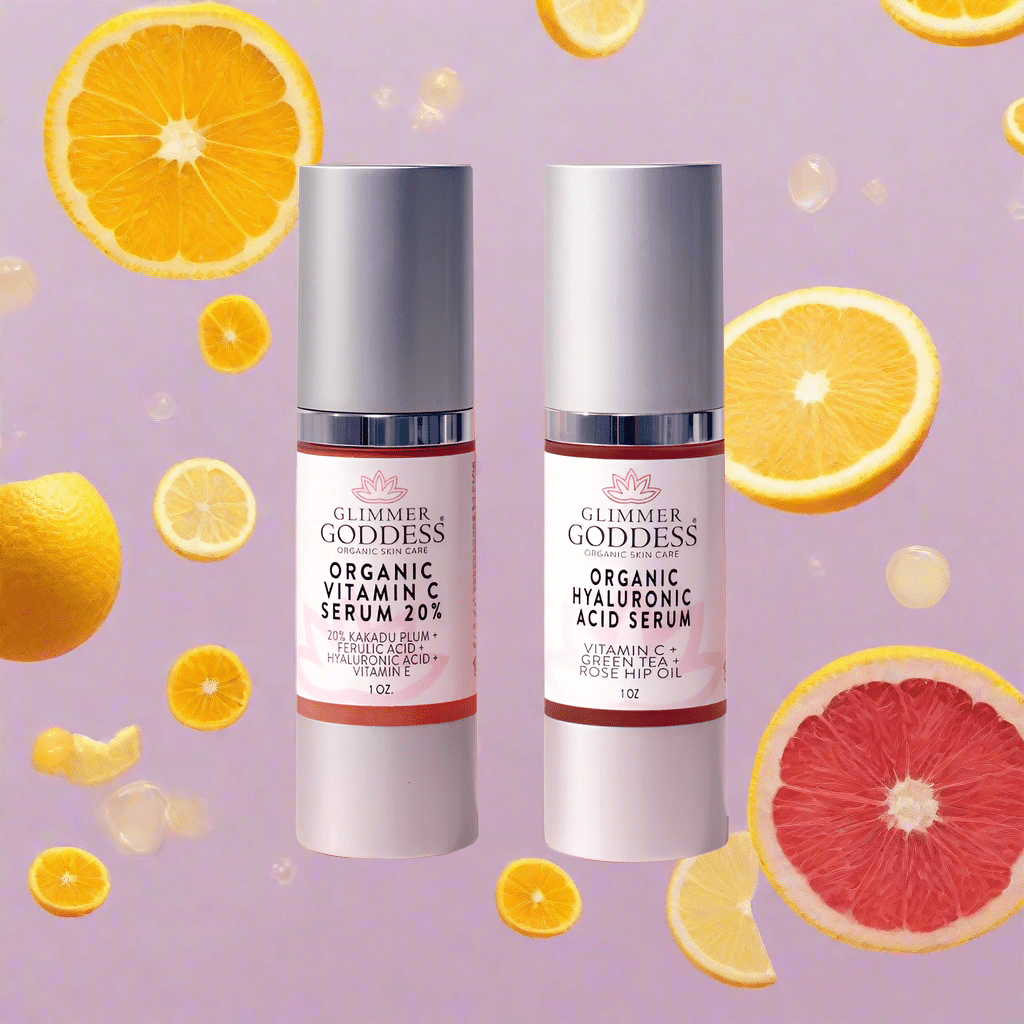
- Follow with a vitamin C serum and moisturizer; in the morning, always apply broad-spectrum SPF.
Recommendation
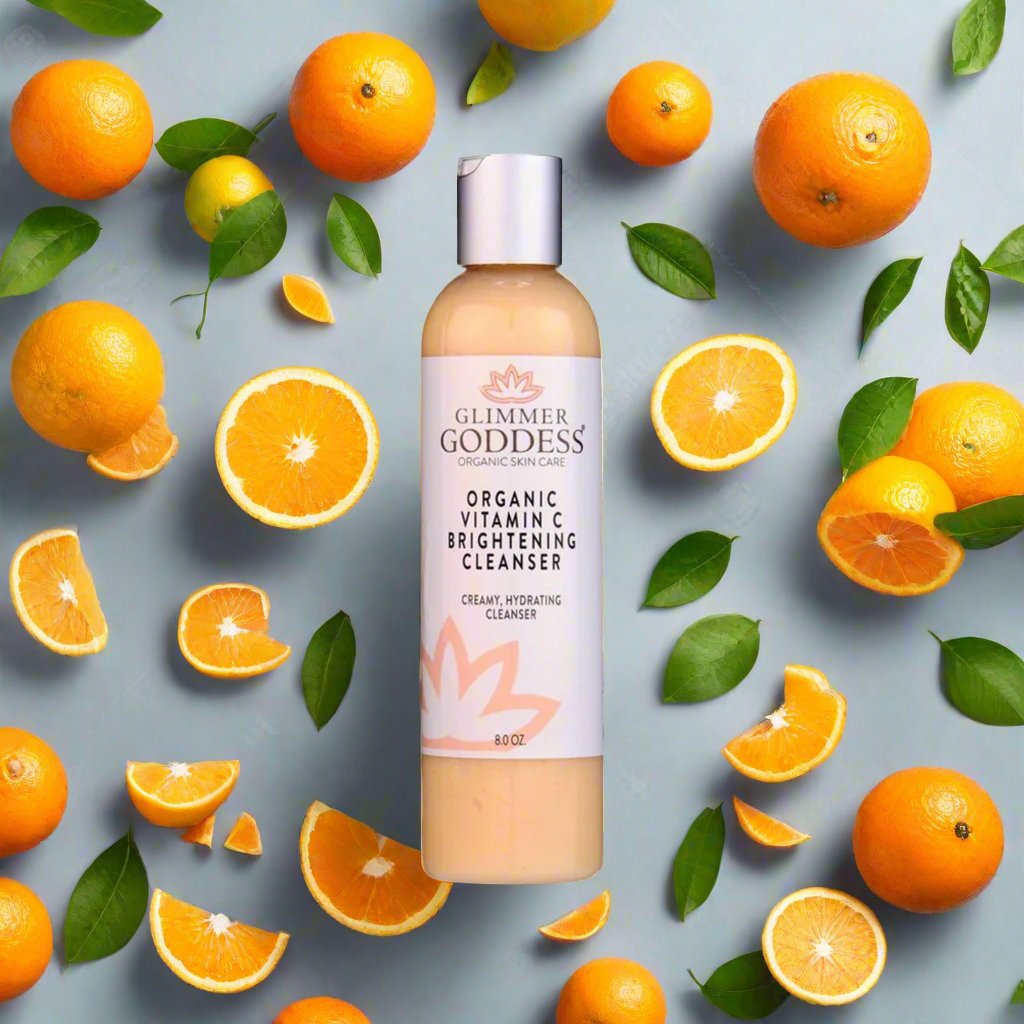
If you want a gentle, hydrating option that focuses on brightening without stripping natural oils, consider this cleanser as part of your routine:

When should you use it—and how often?
Most skin types can use a vitamin C cleanser daily, morning or night. If you’re very sensitive, start every other day and increase as tolerated. Always follow with a hydrating serum or moisturizer, and apply SPF in the morning.
Explore more brightening body care
Love a lit-from-within glow? Browse our organic body lotions collection for hydrating finishes that complement face care.
FAQ
What is vitamin C cleanser good for?
Brightening look of dullness, supporting a more even tone, and removing impurities gently—great as a daily first step toward radiance.
What is the best vitamin C cleanser?
The “best” option matches your skin type and routine. Look for stable vitamin C derivatives, hydrating supports like aloe/glycerin, and a gentle surfactant system.
Is it okay to use vitamin C cleanser every day?
Yes, most skin types can use it daily. Sensitive skin can start 3–4 times per week and adjust as comfort allows.
Is a vitamin C cleanser worth it?
If you want daily brightening and antioxidant support while you cleanse, absolutely. For maximum results, pair with a leave-on vitamin C serum.
References
- Cleveland Clinic — Benefits of Vitamin C for Skin (antioxidant and brightening overview).
- DermNet NZ — Ascorbic Acid in Dermatology (topical vitamin C considerations).
- Journal articles on antioxidant synergy of vitamins C & E in skincare (photoprotection context).
Final takeaway
Vitamin C cleansers are an effective, everyday way to brighten skin and add antioxidant support. Choose formulas with supportive hydrators if you’re concerned about dryness, and pair your cleanser with a targeted serum and SPF for the best long-term results—handcrafted in Texas by Glimmer Goddess®.