

Organic Illuminating Fruit Stem Cell Glow CC Cream Guide
A CC cream sits between skincare, sunscreen, and complexion makeup. “CC” commonly means color correcting or complexion correcting: the goal is to visually soften the appearance of uneven tone while delivering a lighter, more skin-like finish than traditional foundation. Some formulas also include moisturizing ingredients, botanical extracts, and sun protection.
CC cream, BB cream, tinted moisturizer, and foundation
| Product | Typical role | Usual coverage |
|---|---|---|
| CC cream | Visually color corrects and evens tone | Sheer to light |
| BB cream | Multi-use beauty balm with hydration | Sheer to light |
| Tinted moisturizer | Moisture with a wash of pigment | Very sheer |
| Foundation | More controlled complexion coverage | Light to full |
Names are not standardized across every brand, so the ingredient list, shade information, finish, and directions tell you more than the category alone.
What fruit stem cell extracts add
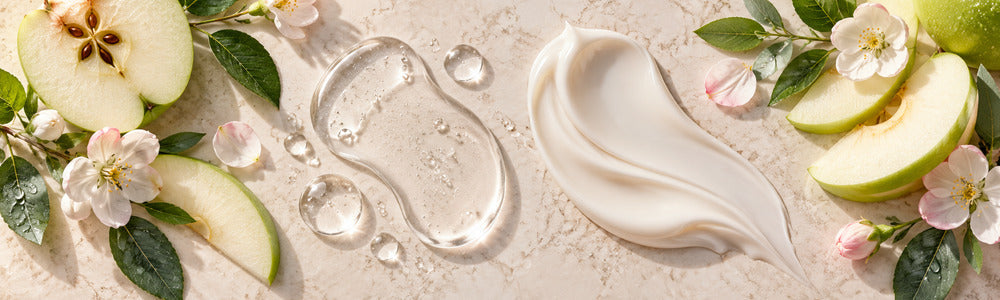
Plant-cell-culture extracts are cosmetic botanical ingredients. They are not living stem cells and do not replace human skin cells. In a CC cream, they belong to the skincare side of the formula, where they may complement moisturizers and antioxidants. The visible color correction still comes primarily from pigments and light-reflecting ingredients.
Understanding the SPF 45 claim
The live Organic CC Cream with SPF 45 combines complexion coverage with mineral sunscreen. To obtain the labeled protection, apply the amount directed on the product and reapply as instructed—especially with sun exposure, sweating, or toweling.
A common mistake is using only a tiny makeup-style dab. That may create the desired cosmetic finish but may not provide the full labeled sun protection. When in doubt, use a dedicated broad-spectrum sunscreen underneath and treat the CC cream as the complexion layer.
How to apply it
- Start with clean, moisturized skin.
- Apply any separate sunscreen and allow it to settle.
- Dot CC cream across the forehead, cheeks, nose, and chin.
- Blend outward with fingertips, a damp sponge, or a brush.
- Build only where more tone evening is needed.
- Set high-movement areas lightly if you prefer less glow.
Choosing the right finish
Illuminating formulas work especially well when dullness or dryness makes the complexion look flat. Oily skin may prefer strategic powder through the center of the face. Textured or very dry skin often looks smoother when the product is pressed in gently instead of rubbed repeatedly.
Who should patch-test first?
Patch testing is smart if you have reactive skin, known botanical allergies, or a history of sunscreen sensitivity. Avoid applying any complexion product over broken or actively irritated skin. If you develop persistent redness, itching, or swelling, stop use and seek professional advice.
Frequently asked questions
Can CC cream replace foundation?
Yes, when you prefer lighter coverage. For events or areas needing more coverage, use concealer only where needed.
Can I wear CC cream without moisturizer?
Some skin types can, but dry skin often benefits from a light moisturizer underneath. Let each layer settle to reduce pilling.
Is CC cream only for mature skin?
No. It can suit any adult who wants light tone correction and a skin-like finish.
Editorial note: This article provides general cosmetic education and is not medical advice. Patch-test new products and consult a qualified healthcare professional for persistent irritation, diagnosed skin conditions, pregnancy-specific questions, or medication-related concerns.