



Winter Skin Redness: Dryness, Irritation & When to See a Dermatologist
Winter redness is not always the same thing as dry skin. Cold air, wind, indoor heat, hot showers and an overactive skincare routine can all leave skin looking flushed or feeling sensitive—but persistent redness can also be associated with conditions such as rosacea or eczema that need medical evaluation.
Why Skin Can Look Redder in Winter
Cold, dry weather can increase water loss from the skin, while indoor heating lowers humidity. Add hot water, fragranced products or aggressive exfoliation and the skin may feel tight, stingy or visibly irritated.
1. Reduce Hot-Water Exposure
The American Academy of Dermatology recommends warm rather than hot water and shorter showers for dry skin. Very hot water can make already-dry skin feel more uncomfortable.
2. Simplify a Stinging Routine
If basic skincare suddenly burns, temporarily scale back nonessential exfoliants, scrubs and strongly fragranced products. Persistent stinging is a reason to stop pushing through a routine.
3. Moisturize While Skin Is Still Damp
Applying moisturizer shortly after washing can help reduce moisture loss. If your usual lotion suddenly feels too light, a richer texture may be more comfortable on dry areas.
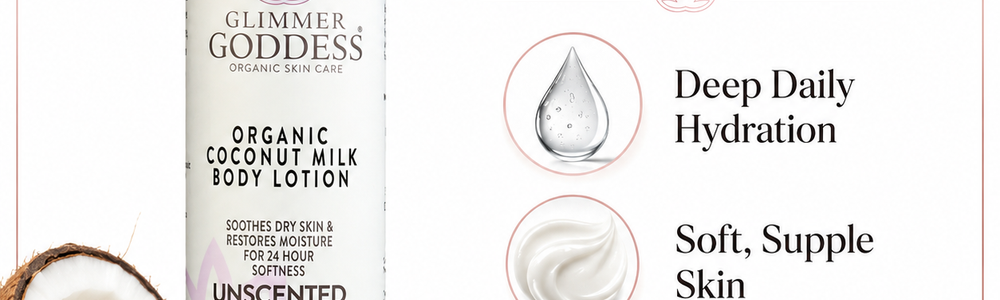
For body dryness, the current Organic Coconut Milk Body Lotion – Ultra-Hydrating offers a lighter texture, while Organic Whipped Body Butter for Extremely Dry Skin 8 oz. is richer. These are cosmetic moisturizers, not treatments for rosacea or eczema.
4. Protect Exposed Skin From Wind and Sun
Scarves, gloves and other protective clothing can reduce direct exposure to cold wind. Winter UV still matters, especially around snow. Use broad-spectrum sunscreen on exposed skin.
The current Triple Action Daily Moisturizer – Organic SPF 30 is one current facial moisturizer with sun protection.
5. Be Careful With Exfoliation When Skin Is Red
Red, burning or peeling skin is not a signal to scrub harder. Pause aggressive exfoliation until skin is comfortable. If you use AHAs, follow label directions; the FDA notes that AHAs can increase sun sensitivity.
Could It Be Rosacea?
Rosacea can involve persistent facial redness, flushing and sensitivity. The AAD notes that triggers vary by person, and skin care for rosacea generally emphasizes gentle products and avoiding individual triggers. A cosmetic blog cannot diagnose the cause of redness.
When to See a Dermatologist
Seek professional evaluation if redness is persistent, painful, spreading, associated with swelling or drainage, affecting the eyes, or repeatedly triggered despite a gentle routine. A dermatologist can distinguish ordinary irritation from rosacea, eczema, contact dermatitis and other causes.
Frequently Asked Questions
Does winter redness always mean my skin is dry?
No. Dryness is one possible cause, but persistent facial redness can have other explanations.
Should I exfoliate flaky red skin?
Not aggressively. Focus on gentle cleansing and moisturization while skin is irritated.
Can moisturizer treat rosacea?
No. Moisturizer can support skin comfort, but rosacea is a medical condition.
The Bottom Line
For occasional winter redness, simplify the routine, use warm water, moisturize promptly and protect skin from cold wind and UV. If redness persists or seems disproportionate to ordinary dryness, get medical guidance rather than adding stronger products.
Sources: American Academy of Dermatology: Dry skin care; American Academy of Dermatology: Rosacea skin care tips; American Academy of Dermatology: Winter sun protection.