



Morning vs. Evening Skin Care for Mature Skin
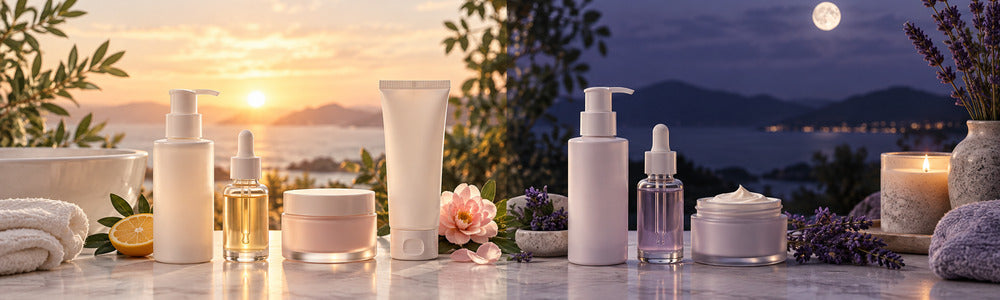
Morning care for mature skin should prioritize protection; evening care should prioritize cleansing, moisture, and one well-chosen treatment. The routines can share products, but sunscreen belongs in the morning and potentially irritating active ingredients are often easier to introduce at night.
A simple morning routine
- Gentle cleanse or water rinse
- Optional antioxidant or hydrating serum
- Moisturizer
- Broad-spectrum SPF 30 or higher
Daily sunscreen helps reduce UV exposure that contributes to visible skin aging. Apply enough and reapply outdoors as directed.
A simple evening routine
- Remove makeup and sunscreen
- Cleanse gently
- Apply one targeted serum or Vitamin A product
- Finish with moisturizer
Vitamin A Microcaps Serum is a current night-focused option. Introduce it gradually, follow its label, and ask a clinician about Vitamin A products during pregnancy, while trying to conceive, or while breastfeeding.
What mature skin often needs more of
With age, skin may feel drier and recover more slowly from irritation. Richer moisturizers, fewer simultaneous active products, and gentler cleansing can improve comfort. “Anti-aging” should mean supporting healthy-looking skin—not promising to stop or reverse normal aging.
How to divide active ingredients
- Vitamin C often fits naturally in the morning under sunscreen.
- Vitamin A products are commonly used at night.
- Exfoliating acids can be scheduled on separate nights.
- Hydrating serums can be used morning or evening.
For evening structure, see our simple evening routine. For Vitamin A distinctions, read Vitamin A, retinoids, and bakuchiol explained.
Frequently Asked Questions
Do I need a different moisturizer at night?
Not necessarily. Use a richer texture only if your skin needs more comfort or reduced water loss.
Can I use Vitamin C and Vitamin A together?
They can share a routine for some people, but separating morning and evening use often improves tolerance.
Is sunscreen necessary indoors?
Exposure varies by windows and daily activities. Use sun-protection guidance that fits your actual UV exposure.