


Face Cream vs. Moisturizer: What’s the Difference—and Which Texture Fits?
“Face cream” and “moisturizer” are often treated like two different products, but the terms overlap. Moisturizer is the broad category. A face cream is usually a richer moisturizer texture designed for facial skin. The better question is not which label sounds more advanced—it is which texture keeps your skin comfortable without feeling too heavy.
Moisturizer Is the Umbrella Term
Moisturizers can come as lotions, gels, creams, balms and ointments. They often combine three ingredient roles: humectants that attract water, emollients that soften the skin surface and occlusives that help slow water loss.
The American Academy of Dermatology notes that creams and ointments generally provide more moisture than lotions, which can make richer textures useful when skin is very dry.
What Makes a Face Cream Feel Different?
Face creams are typically thicker and more emollient than lightweight lotions or gels. That does not make them automatically “better.” A cream may feel ideal on dry cheeks in winter and too rich on an oily T-zone in humid weather.
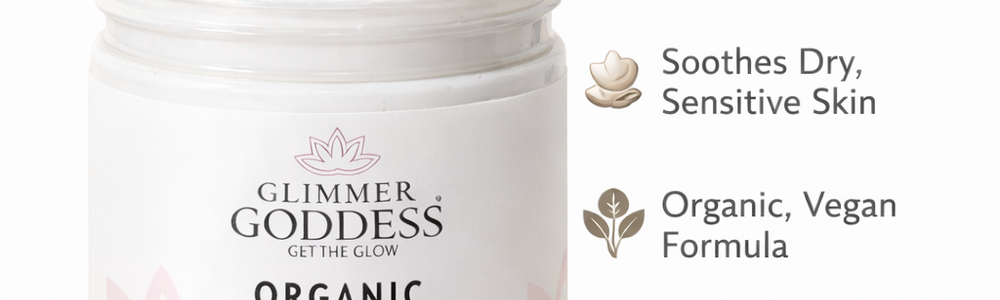
The current Organic Skin Renewal Night Cream 2 oz – Anti-Aging is an example of a richer nighttime facial moisturizer. Its role is moisturization and overnight comfort; it is not a substitute for daytime sunscreen.
What Texture Fits Dry Skin?
Dry skin often benefits from a creamier moisturizer because richer formulas can reduce the tight, rough feeling associated with moisture loss. Apply moisturizer soon after cleansing while skin is still slightly damp.
What About Oily Skin?
Oily skin can still need moisturizer. The goal is usually a lighter texture that adds hydration without feeling overly occlusive. Oiliness and dehydration can exist at the same time, so skipping moisturizer entirely is not always the best answer.
Combination Skin May Need More Than One Texture
You do not have to use the same amount everywhere. A lighter moisturizer can work on oilier areas while a richer cream is used only where skin feels dry. This “zone moisturizing” approach is often simpler than searching for one texture that feels identical across the entire face.
Where SPF Moisturizers Fit
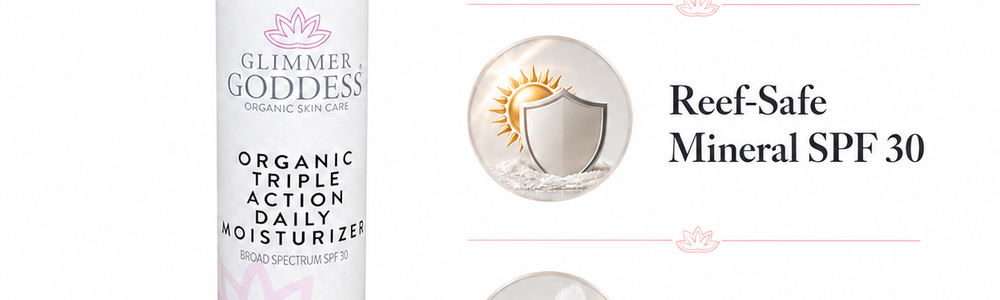
A moisturizer with SPF can combine two morning steps when used according to its label. The current Triple Action Daily Moisturizer – Organic SPF 30 is one daytime example.
Remember that the moisturizing benefit does not change sunscreen use requirements. Apply the product as directed and reapply sun protection as appropriate for your exposure.
Do “Anti-Aging” Creams Work Differently?
Marketing terms do not replace ingredient and formula evaluation. Moisturizers can make dry skin look smoother and help fine lines caused by dehydration appear less noticeable. No cosmetic cream can permanently reverse aging or erase wrinkles.
How to Choose Without Overcomplicating It
- If skin feels tight or flaky, try a richer cream.
- If skin feels greasy, choose a lighter texture rather than skipping moisture automatically.
- If different facial areas behave differently, adjust the amount or texture by zone.
- If you need morning sun protection, consider a moisturizer with SPF or use a separate sunscreen.
- If a product stings or causes persistent irritation, stop using it and reassess.
Frequently Asked Questions
Is face cream the same as moisturizer?
Face cream is a type of moisturizer, usually with a richer texture.
Is cream always better for mature skin?
No. Texture preference depends on dryness, climate, routine and individual comfort rather than age alone.
Can I use the same moisturizer morning and night?
Yes, if it suits your skin. If your morning moisturizer contains SPF, the SPF function is simply unnecessary at bedtime.
The Bottom Line
Choose moisturizer by what your skin needs and how the texture feels—not by whether the label says lotion, cream or “anti-aging.” A comfortable, consistent moisturizer is more useful than an elaborate formula you do not enjoy using.
Sources: American Academy of Dermatology: Choosing a moisturizer; American Academy of Dermatology: How to apply sunscreen.