




How to Get Glowing Skin at Home: Simple Routine + DIY Ingredients to Skip
Glowing skin usually comes from consistency, not a complicated DIY recipe. Gentle cleansing, comfortable hydration, sunscreen and careful exfoliation can support a smoother, more even-looking complexion. Homemade skincare can be fun, but kitchen ingredients are not automatically safer just because they are natural.
Start With the Basics Before Adding a DIY Mask
A simple routine does most of the work: cleanse gently, moisturize, use broad-spectrum sunscreen during the day and add only one optional treatment at a time. If skin is already burning, peeling or unusually reactive, focus on comfort rather than exfoliation.
Hydration Can Improve the Look of Dull Skin
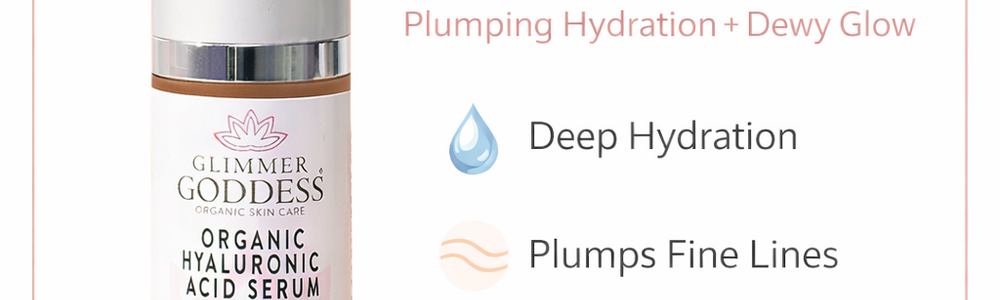
When skin is dry, the surface can look rough or flat. A humectant serum can be an optional hydration layer under moisturizer. The current Organic Hyaluronic Acid Serum – Plumping Hydration 1 oz. is one current option.
Exfoliation Is Optional—and More Is Not Better
Gentle exfoliation may improve rough-looking texture, but stacking acids, scrubs and masks can create irritation that makes skin look less radiant. If you use an exfoliating treatment such as the current Organic AHA Face Mask – Renewing Treatment for Exfoliation & Glow, follow its label and do not assume it should be combined with every active in your routine.
DIY Ingredients to Skip on Facial Skin
- Lemon or lime juice: acidic citrus juice can irritate skin and may contribute to light-related reactions.
- Baking soda: its high pH can be harsh on the skin barrier.
- Undiluted essential oils: concentrated essential oils can cause irritation or allergic reactions.
- Coarse sugar or salt scrubs: aggressive rubbing can irritate facial skin.
- Homemade water-based products stored for later: without appropriate preservation and manufacturing controls, contamination is a real concern.
What About Honey, Oatmeal or Aloe?
Simple ingredients may feel soothing for some people, but they can still cause reactions. Patch-test unfamiliar ingredients, use clean utensils and make only enough for immediate use. Do not assume a refrigerator turns a homemade mixture into a safely preserved cosmetic.
Why Homemade Skincare Should Stay Simple
The FDA notes that cosmetic makers are responsible for product safety, including microbial safety. At home, you generally do not have the preservation testing, pH controls or manufacturing conditions used for commercial water-containing cosmetics. That is why fresh, single-use mixtures are a more cautious approach than storing DIY creams, masks or sprays.
A Simple At-Home Glow Routine
- Morning: gentle cleanse if needed, moisturizer, sunscreen.
- Evening: remove makeup/sunscreen, gentle cleanse, moisturizer.
- Optional: one well-tolerated serum or exfoliating treatment, introduced gradually.
Frequently Asked Questions
Can lemon juice brighten dark spots?
It is not a recommended facial treatment. Irritation can make uneven pigmentation harder to manage.
Can I save a homemade face mask for next week?
Water-containing homemade mixtures can support microbial growth. Making a fresh, single-use amount is the more cautious choice.
Does natural mean non-irritating?
No. Plants, foods and essential oils can all cause irritation or allergy.
The Bottom Line
For brighter-looking skin at home, keep the routine simple and repeatable. Hydration, sunscreen and careful use of proven cosmetic formulas are more reliable than aggressive DIY recipes.
Sources: FDA: Homemade cosmetics; FDA: Microbiological safety and cosmetics.