



Dark Spots on the Face: A 4-Step Routine for More Even-Looking Tone
Dark spots are a type of hyperpigmentation, but not every brown mark has the same cause. Sun exposure, post-inflammatory marks after breakouts and melasma can look similar at first glance, which is why the safest routine starts with identifying what you are actually treating.
Step 1: Identify the Kind of Spot Before You Fade It
Flat, stable discoloration after acne or sun exposure may be a cosmetic pigment concern. A new, changing, crusting, bleeding or unusual spot should be evaluated by a dermatologist rather than covered with a brightening routine.
Step 2: Use Broad-Spectrum Sunscreen Every Day
UV exposure can deepen existing pigmentation and contribute to new dark spots. Consistent sunscreen, shade and protective clothing are the foundation of any routine for uneven tone.
Step 3: Choose One Targeted Active and Give It Time
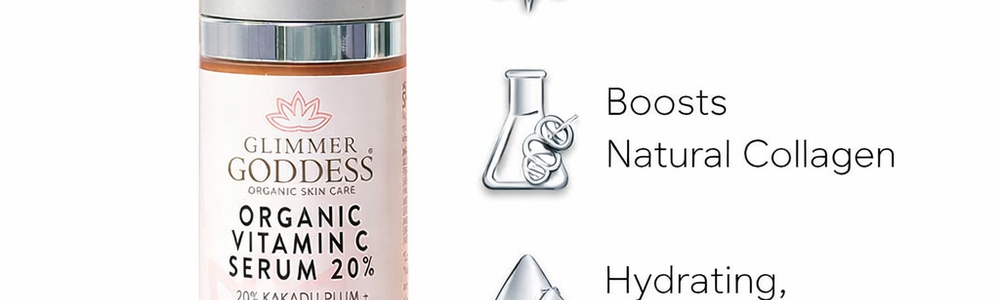
Topical vitamin C has evidence supporting antioxidant activity and improvement in the appearance of some types of uneven pigmentation. The current Glimmer Goddess® Organic Vitamin C Serum 20% is one current option for a tone-focused routine.
Adding multiple acids and brightening products at once does not guarantee faster results. A simple routine also makes it easier to tell which product your skin tolerates.
Step 4: Prevent Irritation That Can Make Discoloration Worse
Inflammation can contribute to post-inflammatory hyperpigmentation, especially in skin prone to dark marks. Avoid picking blemishes, harsh scrubs and aggressive DIY ingredients such as undiluted lemon juice. If a product causes persistent burning or redness, stop using it.
How Long Do Dark Spots Take to Fade?
There is no single timeline. Some superficial marks gradually fade, while melasma and deeper or recurrent pigmentation may persist and need professional care. Daily sun protection and consistency matter more than constantly changing products.
When to See a Dermatologist
Get professional advice for changing or unusual lesions, melasma that is difficult to manage, or pigmentation that persists despite a careful routine. Prescription treatments and procedures may be appropriate for some people.
Frequently Asked Questions
Can lemon juice remove dark spots?
It is not a recommended facial treatment. Citrus juice can irritate skin, and irritation can make discoloration harder to manage.
Can exfoliation remove dark spots?
It may improve some superficial discoloration, but frequent or aggressive exfoliation can cause irritation and worsen post-inflammatory marks.
Does vitamin C replace sunscreen?
No. Antioxidants can complement sun protection but do not replace SPF.
The Bottom Line
For dark spots, think four steps: identify, protect, target and prevent irritation. The safest routine is usually more consistent—not more aggressive.
Sources: American Academy of Dermatology: Dark spots and age spots; FDA: Sunscreen and sun protection.