



Body Oil vs. Lotion: Which Is Better for Your Skin?
Body lotion supplies water plus moisturizing ingredients, while body oil mainly softens and helps reduce surface moisture loss. Neither format is always better. Choose lotion when skin needs lightweight hydration, oil when you want slip and sheen, or layer oil over lotion when very dry skin benefits from both.
Key takeaways
- Lotions combine water, humectants, emollients, and stabilizing ingredients.
- Oils are water-free and excel at softening, sealing, massage, and glow.
- Apply either format to slightly damp skin for a comfortable finish.
- “Firming” usually describes a smoother, more moisturized appearance—not permanent tightening.
Body oil and lotion work differently
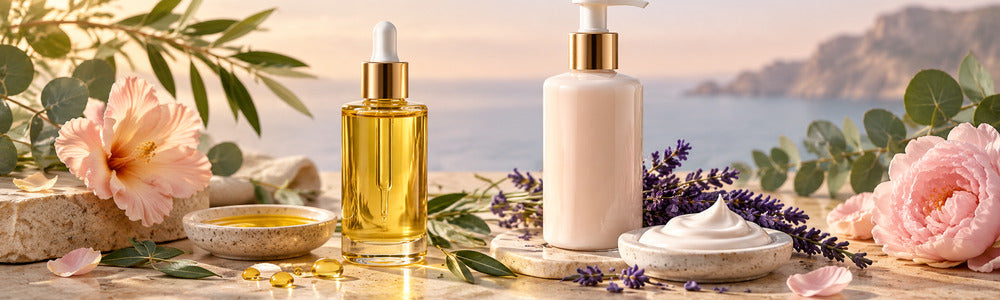
A lotion is an emulsion of water and oil. It may contain humectants that attract water, emollients that smooth the surface, and occlusive ingredients that slow water loss. A body oil contains little or no water; it primarily supplies emollient lipids and an occlusive finish. This difference explains why lotion feels hydrating while oil feels sealing and silky.
Choose body lotion when you want
- Lightweight everyday moisture
- Fast spread over large areas
- A less glossy finish
- A comfortable option for warm or humid weather
- Humectants and water delivered in one step
Organic Coconut Milk Body Lotion – Ultra-Hydrating is a verified active lotion for soft, supple-feeling body skin.
Choose body oil when you want
- More slip for massage
- A luminous surface finish
- Help sealing moisture into already-damp skin
- A concentrated, water-free texture
- Extra comfort over lotion on dry areas
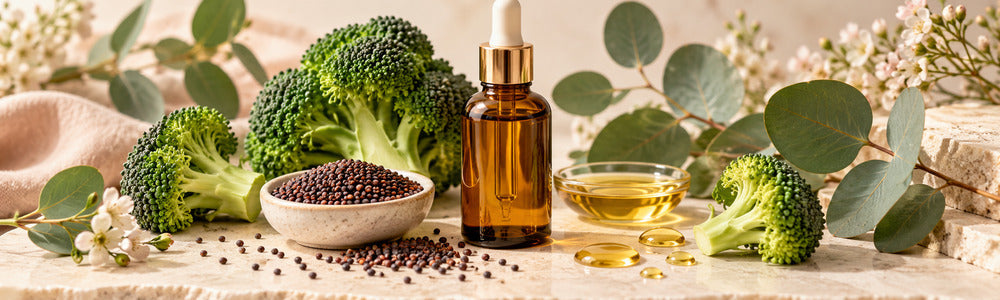
Organic Luxury Firming Body Oil – Anti-Aging Treatment blends eight botanical oils, including broccoli seed oil, for emollience and radiance. Read the broccoli seed oil ingredient guide for realistic expectations.
How to layer lotion and oil
- After bathing, lightly pat skin so it remains slightly damp.
- Apply lotion first to provide water and humectants.
- Press a small amount of oil over dry-prone areas.
- Adjust the amount until skin feels soft rather than slippery.
You can also mix a drop of oil into a palmful of lotion immediately before application if both labels allow it. Do not mix products inside their original containers because that can affect preservation and stability.
Match the texture to your skin and climate
Dry climate or winter: Layering may provide the most comfort. Humid summer: Lotion alone may feel sufficient. Very dry elbows, knees, or legs: Add oil over lotion. Acne-prone body areas: choose lighter, non-comedogenic-labeled products when available and monitor response. Sensitive skin: fragrance-free options and shorter ingredient lists may be easier to evaluate.
Price and the word “luxury” do not guarantee better moisturization. Consistent use, tolerability, and the complete formula matter. For broader support around appearance and firmness, see the skin elasticity guide.
Frequently asked questions
Does body oil hydrate skin?
Oil contains no meaningful water, but it can soften skin and slow water loss. Apply it to damp skin or over lotion for combined support.
Which goes first: lotion or oil?
Usually lotion first, then oil. This lets the oil help seal in the water-based layer.
Can oil permanently firm loose skin?
No topical oil permanently tightens loose skin. Moisturization can make the surface look smoother and more supple.
Can I use body lotion on my face?
Body formulas may feel too heavy or fragranced for facial skin. A face-specific moisturizer is usually easier to match to facial needs.