



Jamaican Black Castor Oil for Skin: Benefits, Limits & Risks
Jamaican black castor oil is a rich plant oil often promoted for everything from dry skin to acne, scars and “collagen boosting.” The more useful way to think about it is simpler: castor oil can act as an emollient and occlusive ingredient that helps skin feel softer and reduces moisture loss.
That does not make every popular claim about Jamaican black castor oil scientifically established.
What Is Jamaican Black Castor Oil?
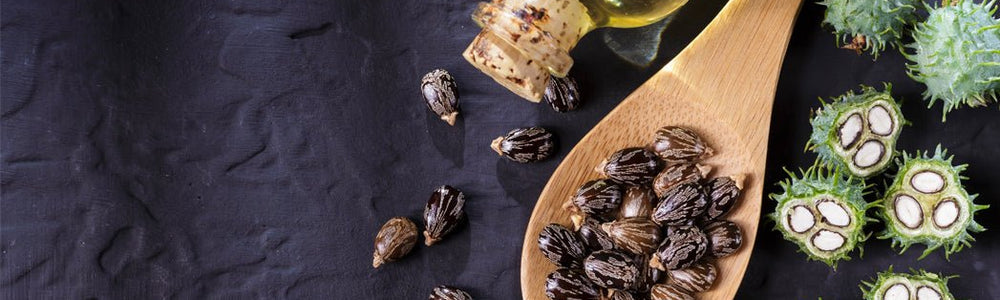
Castor oil is pressed from the seeds of Ricinus communis and is naturally rich in ricinoleic acid. Jamaican black castor oil is traditionally produced using roasted castor beans, which gives the finished oil its darker color and characteristic scent.
1. It Can Help Dry Skin Feel Softer
Like other rich oils, castor oil can coat the skin and help reduce transepidermal water loss. That can make rough or dry-feeling areas feel smoother, especially when the oil is applied over slightly damp skin or layered with a moisturizer.
2. It Is Best Viewed as a Moisture-Sealing Step
Castor oil does not hydrate skin by supplying water. Instead, it can help slow water loss. If your skin is dehydrated, pair an oil with water-based hydration or moisturizer rather than relying on oil alone.
3. “Natural” Does Not Mean Irritation-Free
Botanical oils can cause irritation or allergic contact dermatitis in some people. If you have sensitive skin, patch test first and stop using the product if you develop persistent redness, itching, swelling or burning.
4. Acne Claims Need Caution
Castor oil is sometimes described online as an acne treatment because ricinoleic acid has been studied for antimicrobial and anti-inflammatory activity. That is not the same as evidence that Jamaican black castor oil treats acne in people. Acne has multiple causes, and a rich oil may not suit every acne-prone routine.
If acne is your primary concern, follow an acne-focused routine rather than substituting a cosmetic oil for proven treatment. The American Academy of Dermatology recommends gentle skin care and appropriate acne products based on the type and severity of acne. Review AAD acne skin-care guidance.
5. There Is Not Good Evidence It Treats Rosacea
Rosacea is a chronic inflammatory skin condition that should not be self-treated with castor oil based on internet claims. Some people with rosacea have highly reactive skin, so adding a heavy botanical oil could be uncomfortable.
6. It Has Not Been Proven to Stimulate Collagen
Moisturized skin can temporarily look smoother and more supple, which may make fine texture less noticeable. That cosmetic effect should not be confused with proof that castor oil stimulates new collagen in human skin.
7. Scar and Dark-Spot Claims Are Also Limited
Keeping skin moisturized can support comfort, but there is not strong clinical evidence that Jamaican black castor oil fades established scars or hyperpigmentation. Persistent dark spots may respond better to a sun-protective routine and evidence-based brightening ingredients.
How to Use Castor Oil More Safely
- Patch test before using it over a large area.
- Start with a small amount because castor oil is thick and occlusive.
- Apply over moisturizer or damp skin if your goal is to seal in hydration.
- Avoid broken, infected or actively irritated skin.
- Stop if you develop burning, swelling, rash or persistent itching.
Who Should Be Extra Cautious?
If you have active eczema, rosacea, severe acne, a history of botanical allergies or a current skin infection, ask a dermatologist before relying on a new oil as part of your routine.
The Bottom Line
Jamaican black castor oil can be a useful rich emollient for dry-feeling skin. Its realistic strength is moisture sealing—not treating acne or rosacea, fading scars, or rebuilding collagen. A simple, cautious approach gives you the benefits without turning a cosmetic oil into a cure-all.