



Should You Refrigerate Skincare? What Belongs in a Skincare Fridge—and What Doesn’t
Most skincare products do not need a dedicated skincare fridge. Unless the manufacturer specifically directs refrigeration, a cool, dry place away from direct heat and sunlight is usually the better default. Refrigerating a product that was not designed for cold storage can change its texture, separation or application without adding a proven benefit.
What the FDA Says About Cosmetic Storage
The FDA notes that cosmetic shelf life depends on product type, use and storage. Heat, sunlight, air, moisture and temperature changes can alter a product, and warm or damp conditions can increase microbial growth or weaken preservative systems.
The practical rule is simple: follow the label and manufacturer’s storage instructions first.
Do Vitamin C Serums Need Refrigeration?
Not automatically. Vitamin C is sensitive to formulation and packaging, but whether a specific serum should be refrigerated depends on how it was designed and tested.
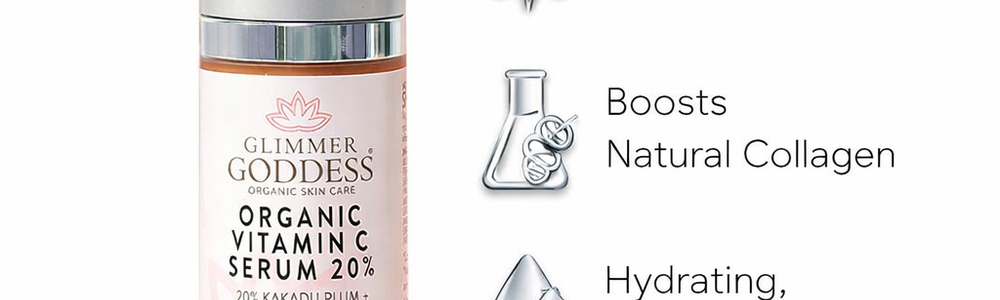
The active Organic Vitamin C Serum 20% – Brightening Treatment with Hyaluronic & Ferulic Acid should be stored according to its product directions rather than assuming all Vitamin C serums belong in the refrigerator.
What Products May Need Refrigeration?
Only products whose labels or manufacturers specifically instruct refrigeration should be treated as refrigerator products. This can include some preservative-sensitive, freshly compounded or specialty formulas, but there is no universal cosmetic category that must always be chilled.
What Usually Belongs at Room Temperature?
- most cleansers;
- most commercial moisturizers;
- most serums;
- body lotions and body butters, unless labeled otherwise;
- most masks and scrubs;
- sunscreens stored according to their labeled temperature guidance.
Room temperature means a stable indoor environment—not a hot car, sunny windowsill or steamy shower shelf.
Why the Bathroom Can Be a Poor Storage Spot
Bathrooms experience repeated heat and humidity changes. FDA guidance warns that warm, moist storage can encourage microbial growth and contribute to product deterioration.
If possible, keep products tightly closed in a dry cabinet away from direct shower steam and sunlight.
Can Cold Damage Skincare?
Potentially. Emulsions, oils and creams are formulated for specific storage conditions. Excessive cold or repeated temperature cycling can change texture or cause separation. Freezing can be especially problematic for products not designed to freeze.
Do not assume “colder is fresher.” Stability testing matters more than social-media trends.
What About Sunscreen?
Follow the sunscreen label carefully. Extreme heat is not ideal; FDA guidance reinforces the broader principle of avoiding hot storage and following labeled conditions.
Never leave sunscreen in a hot car for long periods if you can avoid it, and do not freeze it unless the manufacturer specifically permits that.
Signs a Product May Have Gone Bad
The FDA recommends paying attention to changes in smell, color or product condition. Discard cosmetics that show suspicious changes or contamination rather than trying to “save” them by refrigerating them after the fact.
How to Store Skincare Better
- Read the label.
- Keep lids and pumps tightly closed.
- Store away from direct sunlight.
- Avoid hot cars and windowsills.
- Minimize humidity and repeated temperature swings.
- Do not add water to a product unless directions call for it.
- Discard products that develop unusual odor, color or texture changes.
Frequently Asked Questions
Does refrigeration make skincare last longer?
Not necessarily. Refrigeration only helps when the formula was intended for that storage condition.
Can I keep an eye roller in the fridge for a cooling feel?
If the manufacturer allows it, chilling may feel refreshing, but the cooling sensation is a sensory effect—not proof the formula becomes more effective.
Should natural skincare always be refrigerated?
No. “Natural” does not tell you how a finished preserved cosmetic should be stored.
The Bottom Line
Skip the skincare fridge unless a product specifically calls for it or you are using it for an allowed sensory cooling effect. Stable, cool, dry storage away from heat, sunlight and moisture is the safer default for most commercial skincare.
Sources: FDA: Shelf Life and Expiration Dating of Cosmetics; FDA: Using Cosmetics Safely; FDA: Microbiological Safety and Cosmetics.