



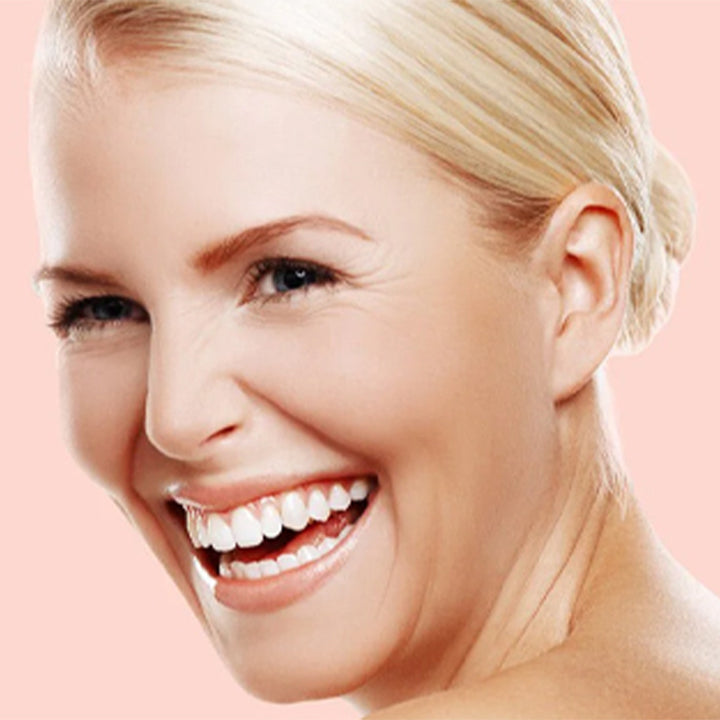

What Helps Skin Look Firmer With Age?
Short answer: no cosmetic can stop aging or permanently tighten loose skin, but a consistent routine can help mature skin look smoother, more hydrated, brighter, and temporarily firmer. Daily sun protection, moisturizer, and carefully chosen active ingredients matter more than a long product list.
Skin changes with time because of both intrinsic aging and outside influences. Collagen and elastin organization changes, natural oil production may decline, and repeated UV exposure contributes to uneven tone, roughness, and fine lines. Genetics, smoking, sleep, nutrition, hormonal changes, and environmental exposure can also affect how skin looks and feels.
Start with daily UV protection
Sun protection is the most important preventive step in an age-supportive routine. The American Academy of Dermatology recommends a broad-spectrum, water-resistant sunscreen with SPF 30 or higher, along with shade and protective clothing. Its guidance for selecting age-supportive skin care also encourages introducing one product at a time and setting realistic expectations.
For a streamlined morning step, Triple Action Daily Moisturizer – Organic SPF 30 combines hydration with labeled mineral sun protection. Apply sunscreen generously and reapply outdoors according to the label.
Keep the barrier comfortable
Dryness can make fine lines and texture look more noticeable. A gentle cleanser, humectant serum, and moisturizer help reduce water loss and improve surface smoothness. Hyaluronic acid attracts water within a formula and at the skin surface, while emollients soften rough-feeling areas.
The Organic Hyaluronic Acid Serum is a lightweight hydration option. Apply it to slightly damp skin, then follow with moisturizer so the routine includes both water-binding and moisture-sealing steps.
Choose active ingredients by priority
Vitamin A
Vitamin A-based products can improve the appearance of fine lines, uneven tone, and texture, but they may cause dryness or irritation. Start slowly, use them at night, and protect skin from the sun during the day. Avoid retinoid-type products during pregnancy unless a clinician specifically advises otherwise.
Vitamin C and other antioxidants
Antioxidant formulas can help support a brighter, more even-looking complexion and complement sunscreen. They do not replace SPF and are not structural lifting procedures.
Peptides
Peptides are used in cosmetic formulas to support smoother- and firmer-looking skin. Results depend on the specific peptide, concentration, delivery system, and finished formula, so broad promises about all peptides should be viewed cautiously.
A simple morning and evening routine
Morning
- Cleanse gently or rinse, depending on your skin.
- Apply one antioxidant or hydrating serum.
- Use moisturizer if needed.
- Finish with broad-spectrum SPF 30 or higher.
Evening
- Remove sunscreen and makeup with a gentle cleanser.
- Apply a hydrating serum or one well-tolerated active.
- Follow with moisturizer.
- Give the routine several weeks before adding another active.
Our morning and evening routine for mature skin offers a more detailed schedule. For ingredient context, see the guide to peptides, Vitamin C, and plant extracts.
What topical products cannot do
Moisturizers and serums cannot recreate lost facial volume, permanently lift sagging tissue, or produce the same change as an in-office procedure. A temporary plumper appearance usually comes from hydration and smoother light reflection. That is still a useful cosmetic result—it is simply different from structural change.
Frequently asked questions
How quickly should skin look different?
Hydration may improve surface softness quickly. Changes in tone or texture from active ingredients usually require consistent use over weeks or months.
Do more products produce better results?
Not necessarily. Too many active ingredients can increase irritation, which may make skin look drier and less even.
When should I see a dermatologist?
Seek professional guidance for rapidly changing skin, persistent irritation, or if you want to discuss prescription products or procedures.
The takeaway: protect, hydrate, and introduce active ingredients gradually. A comfortable routine used consistently is more valuable than dramatic promises.