Body Serums and Scalp Serums: What They Actually Do
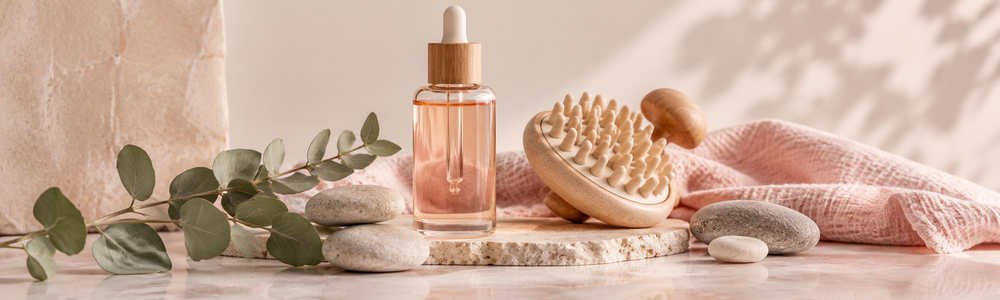
Body serums and scalp serums are lightweight, targeted formulas—not automatic replacements for moisturizer or medical hair care. A body serum usually adds humectants or cosmetic actives before lotion. A scalp serum is designed for the skin beneath the hair and may support comfort, moisture, or the appearance of fuller-looking hair, depending on its verified formula.
The word “serum” describes texture and positioning more than a universal level of strength. Read the ingredient list, directions, and intended use rather than assuming every serum penetrates more deeply or produces faster results.
Body serum versus body moisturizer
Body serum
Usually lighter and more fluid. It may focus on hydration, smoother-looking texture, tone, or radiance.
Body moisturizer
Usually provides more emollient or occlusive support to reduce the feel and appearance of dryness.
They can work together: apply a lightweight serum first, allow it to settle, then add lotion or body butter where more comfort is needed. On warm or humid days, some people may prefer the lighter product alone.
What scalp serums can—and cannot—do
A scalp serum may help deliver cosmetic conditioning ingredients without coating the full hair length. Results depend on the formula and the reason for use. A cosmetic serum cannot determine why hair is thinning, and its presence in a routine does not prove that new hair will grow.
The active Organic Caffeine Hair Growth Serum – Scalp Treatment is a verified Glimmer Goddess® option for shoppers seeking a targeted scalp step. Its product name should not be read as a promise that it will address every cause of shedding or thinning. Persistent or sudden hair loss deserves professional evaluation.
How to choose a serum
- Start with the goal. Hydration, surface smoothness, scalp comfort, and appearance are different needs.
- Check the base. Lightweight water-based formulas and richer oils feel very different.
- Consider fragrance and sensitivity. A pleasant sensory experience is not worth ongoing irritation.
- Follow the directions. More product does not necessarily produce a better outcome.
- Test gradually. Use a small area first, especially when the formula contains several active ingredients.
For a structured approach to introducing a new cosmetic, use the patch-testing guide.
A simple body-serum routine
- Cleanse and gently pat the skin dry.
- Apply the serum to the intended areas according to its directions.
- Follow with lotion or body butter when the skin needs a richer layer.
- Use daytime sun protection on exposed areas.
A simple scalp-serum routine
- Part the hair so the applicator reaches the scalp rather than only the strands.
- Use the directed amount and massage gently with fingertips.
- Avoid aggressive rubbing, scratching, or combining several strong scalp products at once.
- Stop if significant redness, burning, swelling, or worsening discomfort occurs.
Seek professional guidance for sudden shedding, bald patches, scalp pain, sores, scaling, or persistent itching. Those signs can have causes that a cosmetic routine cannot identify.
For related ingredient context, the coconut oil and hair guide explains the difference between helping protect the hair fiber and making a hair-growth claim. Readers comparing marketing language can also use the clean-beauty ingredient guide.
Body and scalp serum FAQ
Can a body serum replace lotion?
Sometimes, especially when the skin prefers a light layer. Drier areas may still benefit from a richer moisturizer over it.
Does a scalp serum make hair grow?
No cosmetic serum can promise that result for every person or cause of thinning. Evaluate the formula and seek care for concerning changes.
Can I use facial serum on my body?
It may be physically possible, but a body-specific formula is often more practical for larger areas. Follow each product’s intended use.