


How to Get a Summer Glow Without UV Damage
A healthy-looking summer glow comes from smooth, hydrated skin and light-reflective moisture—not from deliberate UV tanning. Sunlight can trigger vitamin D production, but unprotected UV exposure also damages skin. Use food or clinician-guided supplementation for vitamin D needs and protect skin with sunscreen, clothing, shade, and sunglasses.
Key takeaways
- A UV tan is a sign that skin has responded to potentially damaging radiation.
- Hydration and moisturizer can improve surface smoothness and radiance.
- A varied diet supports general health, but no food creates a protective tan.
- Sunless tanner or wash-off shimmer can add color without deliberate UV exposure.
What makes skin look radiant?
Radiance is influenced by surface smoothness, water content, oil balance, light reflection, makeup, and circulation. Humidity can make skin look dewier, but it can also increase sweat and shine. A good summer routine aims for comfort and even texture rather than forcing a permanent glow.
A simple routine for summer radiance
- Cleanse gently without scrubbing.
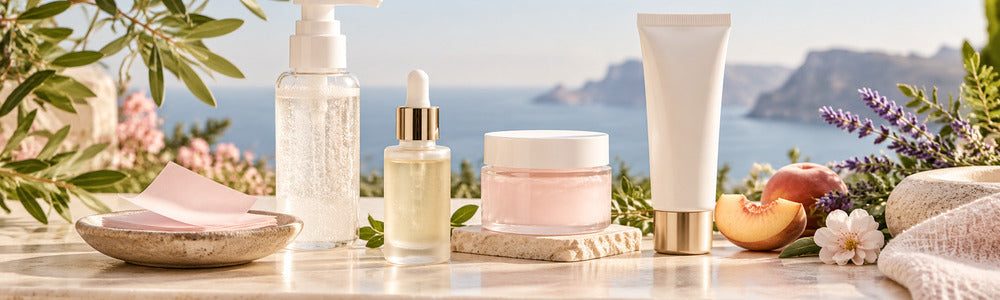
- Apply a lightweight hydrating or antioxidant serum if desired. Organic Vitamin C Serum 20% is a verified active option for brighter-looking skin.
- Use moisturizer in a texture that suits the weather.
- Finish with broad-spectrum sunscreen. Organic Reef-Safe Sunscreen – Broad Spectrum SPF 40 is one active option.
For more detail, follow the summer hydration routine and daily sunscreen application guide.
Do you need unprotected sun for vitamin D?
The American Academy of Dermatology recommends obtaining vitamin D through foods naturally rich in it, fortified foods, and supplements when advised—not through intentional UV exposure. The amount produced by sunlight is inconsistent, and there is no exposure level that maximizes vitamin D without also increasing skin-cancer risk.
Can diet make skin glow?
A varied pattern with adequate protein, colorful produce, healthy fats, and sufficient fluids supports general health. Skin appearance can suffer when nutrition is inadequate, but one fruit, supplement, or juice does not instantly brighten the complexion. Drink according to thirst and medical guidance; excessive water intake does not replace topical moisturizer.
Ways to add color without UV tanning
Sunless tanners can create surface color without deliberate UV exposure. Wash-off shimmer can add immediate light reflection. Neither usually provides sun protection. Use the DHA-free versus regular self-tanner comparison to choose a format and the UV-free tanning guide for safety basics.
Daily habits that support appearance
- Sleep consistently when possible.
- Rinse after swimming and moisturize damp skin.
- Blot sweat instead of rubbing.
- Avoid smoking and indoor tanning.
- Keep products stable and out of extreme heat.
Frequently asked questions
Is a suntan a sign of healthy skin?
No. Tanning is the skin’s response to UV radiation and does not mean the exposure was harmless.
Does humidity hydrate skin?
Humidity can reduce evaporation and make humectants feel comfortable, but sweat and air conditioning can still leave skin irritated or dry.
Can sunscreen prevent every sign of aging?
No product prevents every change, but comprehensive sun protection helps reduce UV-related damage.
Can self-tanner replace sunscreen?
No, unless the product is separately labeled with SPF and used exactly as directed.