




At-Home Skin Tightening Devices: Benefits, Limits, and Safety
At-home beauty devices may create subtle, temporary improvements in appearance when the device is appropriate and used exactly as directed. They are not a needle-free equivalent to every office procedure, and “Notox” is marketing language rather than a medical category.
Consumer devices vary widely in energy, design, evidence, and intended use. Before buying one, identify the technology, exact model, manufacturer, contraindications, and whether it has a specific regulatory authorization for the claim being made.
Common at-home device categories
Microcurrent
Uses low-level electrical current. Marketing often focuses on a temporarily more lifted or toned appearance. Any visible effect generally requires ongoing use.
LED
Uses selected wavelengths of light. Evidence and intended uses depend on wavelength, dose, device quality, and schedule.
Noninvasive radiofrequency
Uses energy to warm tissue. Consumer products should not be confused with professional systems or RF microneedling.
Massage tools
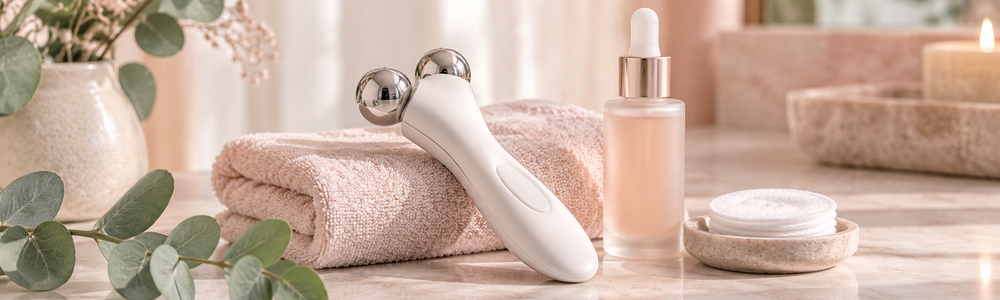
May temporarily reduce a puffy look or support a relaxing ritual, but they do not permanently tighten skin.
RF microneedling is not an at-home treatment
FDA states that RF microneedling is a medical procedure and the devices should not be used at home. The agency has reported serious complications with certain uses, including burns, scarring, fat loss, disfigurement, and nerve damage.
That warning is specific to RF microneedling, which uses needles to deliver energy into or under the skin. If you are considering a professional procedure, discuss the exact device, expected benefit, alternatives, and risks with a licensed, trained provider.
What to check before buying a home device
- The exact model, manufacturer, and intended use are clearly stated.
- Instructions, contraindications, eye-protection guidance, and support information are available.
- Claims are specific and do not promise surgical-level or permanent results.
- The device fits your health history, medications, implants, pregnancy status, and skin sensitivity; ask a clinician when uncertain.
- You can follow the stated schedule without exceeding it.
- The return policy and warranty are understandable.
How skincare fits around device use
Use only the slip medium or conductive product specified by the manufacturer. A favorite active serum is not automatically compatible with heat, current, or light. Avoid combinations that the instructions do not support.
On non-device days, a routine can focus on gentle cleansing, moisture, and sun protection. The verified Copper Peptide Duo – Anti-Aging Serum & Moisturizer is a cosmetic option for shoppers focused on smoother-, firmer-looking skin; it is not a substitute for device instructions or a professional procedure.
Use the skincare layering guide for an ordinary routine, and review the patch-testing guide before introducing a new topical product.
When to stop
Stop using a device and seek appropriate advice if you experience a burn, blister, persistent pain, new numbness, significant swelling, eye symptoms, or lasting discoloration. For concerns about facial structure, a medical diagnosis, or a procedure-level result, consult a qualified professional rather than escalating home use.
For a broader look at cosmetic claims, see the ingredient and beauty-buzzword guide.
At-home device FAQ
Can a home device replace injectables or surgery?
No. Technologies, indications, intensity, risks, and expected outcomes are different.
Is more frequent use better?
No. Follow the exact schedule. Overuse can increase irritation or injury risk.
Can I use any serum with a device?
No. Use only products the manufacturer identifies as compatible.